
Thu Dau Mot University Journal of Science

Search Papers
2 papers
This mixed-methods study examines how fourth-year English majors at Thu Dau Mot University engage in Zalo-based classroom discussions. Using a convergent parallel design, data were collected through a questionnaire (N = 112) and semi-structured interviews (N = 8) to explore behavioral, cognitive, and emotional dimensions of engagement. Findings reveal that Zalo is primarily used for task coordination and passive monitoring, with limited proactive discussion. Students value its functions for planning and language accuracy but perceive discussions as low in intellectual depth. Emotionally, Zalo fosters social connection and comfort in interacting with peers and lecturers but also introduces pressure to keep up and reluctance to express dissent. The study highlights Zalo’s dual role as a facilitator of convenience and a constraint on deeper learning, suggesting the need for intentional instructional design to promote critical thinking and inclusive dialogue.
Undergraduate research is widely recognized as a meaningful practice that develops students’ critical thinking, problem‑solving, and science identity, yet student engagement remains uneven due to multiple factors. To address this issue, this mixed-methods study examines undergraduate students’ engagement in research at a Vietnamese university, focusing on their attitudes, perceived support, and intentions to participate. Survey data (N = 164) and interviews (N = 8) reveal a clear divide between students’ positive views of research outcomes and their ambivalence toward the research process. Although students believe lecturers are supportive, they report low comfort in seeking help, limited peer encouragement, and little awareness of institutional research policies. Students express moderate intention to conduct a research project but show strong reluctance toward presenting or publishing their work. The qualitative findings highlight psychological barriers, unclear pathways, and an outcome-oriented mindset. The study argues that current support structures are passive and insufficient. Institutions should implement more visible, structured mentorship to strengthen students’ confidence and foster a more active undergraduate research culture.
Publication Information
Publisher
Thu Dau Mot University, Viet Nam
Editor-in-Chief

Assoc. Prof. Nguyen Van Hiep
Thu Dau Mot University
Thu Dau Mot University
Editorial Board
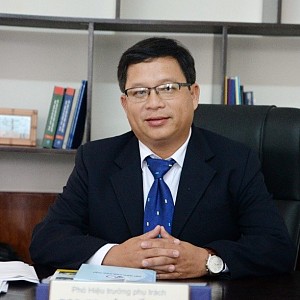
Assoc. Prof. Le Tuan Anh
Thu Dau Mot University
Thu Dau Mot University

PhD. Nguyen Quoc Cuong
Thu Dau Mot University
Thu Dau Mot University

PhD. Doan Ngoc Xuan
Thu Dau Mot University
Thu Dau Mot University

PhD. Nguyen Khoa Truong An
Thu Dau Mot University
Thu Dau Mot University

Assoc. Prof. Nguyen Thanh Binh
Thu Dau Mot University
Thu Dau Mot University

PhD. Le Thi Thuy Dung
Thu Dau Mot University
Thu Dau Mot University

PhD. Ngo Hong Diep
Thu Dau Mot University
Thu Dau Mot University

PhD. Nguyen Duc Dat Duc
Ho Chi Minh City University of Industry and Trade
Ho Chi Minh City University of Industry and Trade

Assoc. Prof. Nguyen Van Duc
Animal Husbandry Association of Vietnam
Animal Husbandry Association of Vietnam

PhD. Nguyen Thi Nhat Hang
Department of Education and Training of Binh Duong Province
Department of Education and Training of Binh Duong Province

PhD. Nguyen Thi Cam Le
Vietnam Aviation Academy
Vietnam Aviation Academy

PhD. Trần Hạnh Minh Phương
Thu Dau Mot University
Thu Dau Mot University

M.A. Pham Van Thinh
Thu Dau Mot University
Thu Dau Mot University

PhD. Nguyen Thi Lien Thuong
Thu Dau Mot University
Thu Dau Mot University

Prof. Le Quang Tri
Can Tho University
Can Tho University
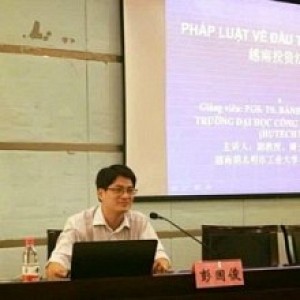
Prof. Banh Quoc Tuan
Thu Dau Mot University
Thu Dau Mot University