
Thu Dau Mot University Journal of Science

Search Papers
49 papers
AGRICULTURAL TOURISM IN THE MEKONG DELTA, VIETNAM: STATE POLICIES, ENTERPRISE STRATEGIES AND COMMUNITY PARTICIPATION
Ngo Thi Phuong Lan, Huynh Ngoc Thu
Agricultural tourism (agritourism) has become an emerging
development pathway in the Mekong Delta, where agriculture, culture,
and water-based ecosystems intersect to form distinctive rural
landscapes. Within Vietnam’s broader agenda of rural restructuring and
sustainable development, agritourism in the region has gradually
evolved from small-scale household initiatives into a more organized
sector shaped by the interaction of state policies, enterprise strategies,
and community participation. This study examines how these three
actors collectively influence agritourism development in the Mekong
Delta. Using a qualitative research design and an embedded case study
approach, the analysis draws on national and provincial policy
documents, industry reports, and representative agritourism models
such as My Khanh Tourist Village, Con Son Community Cooperative,
Con Chim Ecotourism Site, Con Ong experiential farm, and the Dinh
Yen Mat weaving craft village. The findings indicate that since 2010,
the Vietnamese government has established a policy framework
promoting experiential agriculture-based tourism, regional
connectivity, climate-resilient development, and cultural preservation,
thereby enabling enterprises to upgrade facilities, diversify tourism
services, and expand regional tour circuits. At the same time, local
communities have reorganized tourism activities through cooperative
and community-based models that integrate agricultural practices,
culinary heritage, and craft traditions into visitor experiences.
Successful initiatives demonstrate improvements in income generation,
employment opportunities, cultural continuity, and environmental
awareness. However, agritourism in the Mekong Delta still faces
challenges, including fragmented policy implementation, limited
destination management capacity, weak interprovincial coordination,
repetitive tourism products, and environmental pressures associated
with climate change. The study argues that the sustainability of
agritourism in the region depends on strengthening the alignment
between policy frameworks, enterprise innovation, and communitybased stewardship.
This study aimed to find a suitable media for treating biogas effluent wastewater from pig farms. the research recycled polyethylene foam (PE foam) as a material and used it as a microbial adhesion media and immersed in the wastewater of an Aerotank model. The experiment was performed with 3 treatments and three repetitions, including: Aerotank with media from PE foam (treatment 1); Aerotank with MBBR biochip (treatment 2); and Aerotank without media (treatment 3(control)). The results showed that the PE foam media exhibited higher treatment efficiency than the commercially available media (MBBR biochip) and the control, with average removal efficiencies of 79.44%, 62.46%, 79.63%, and 84.95% for COD, TSS, BOD, and N-NH3, respectively. The media from PE foam can be used as a replacement for commercially available media and an option for improving the quality of biogas effluent wastewater.
MODELING AND SIMULATION OF THE EFFECTS OF OPERATING PARAMETERS ON THE VOLTAGE CHARACTERISTICS OF PEM FUEL CELLS
Tran Xuan Dung
Proton exchange membrane fuel cells (PEMFCs) have attracted significant attention due to their high efficiency and low emission characteristics. However, the cell performance is strongly influenced by operating conditions and membrane properties, which are difficult to investigate comprehensively by experimental approaches alone. This study develops a complete electrochemical model of a single PEM fuel cell in the MATLAB – Simulink environment based on the voltage loss mechanisms including the Nernst potential, activation overpotential, ohmic losses, and concentration losses. The model is employed to quantitatively investigate the effects of operating temperature, hydrogen partial pressure, oxygen partial pressure, and membrane thickness on the polarization characteristics (I – V curves) of the PEMFC. Simulation results indicate that increasing temperature significantly enhances activation kinetics and improves cell voltage, while elevated oxygen partial pressure yields the most pronounced performance improvement among gas parameters. Conversely, increasing membrane thickness leads to higher ohmic losses and voltage degradation, especially in the high –current – density regime. The proposed model provides an effective numerical tool for teaching, system analysis, and preliminary optimization of PEMFC operating conditions.
DESIGN AND VALIDATION OF AN IOT-INTEGRATED AUTOMATED DISTILLATION SYSTEM WITH PID TEMPERATURE CONTROL
Nguyen Anh Vu, Nguyen Thanh Doan, Nguyen Phuong Tra
This paper presents the design, implementation, and empirical evaluation of a sophisticated automated alcohol distillation system. The system integrates modern control theory with Internet of Things (IoT) technology to overcome the limitations of traditional manual distillation, which often suffers from inconsistent product quality, high labor dependency, and significant safety risks. The core of the system employs a REX-C100 PID temperature controller for precise thermal regulation, an ESP8266 microcontroller for IoT connectivity, and an array of sensors including a K-type thermocouple and an MQ-3 alcohol concentration sensor for comprehensive process monitoring and safety. A detailed mathematical model of the distillation process and an enhanced PID control algorithm with feedforward compensation are provided. Experimental results demonstrate a 50% reduction in processing time, an increase in process efficiency from 60% to 90%, and a remarkable improvement in product quality consistency from 70% to 95%, all while maintaining a temperature control accuracy of ±1°C. The system successfully enables remote monitoring and control via the Blynk IoT platform, establishing a robust framework for intelligent, safe, and efficient distillation applicable to both small-scale and industrial production
AI INTEGRATION IN TEACHING AND LEARNING: FACULTY TRAINING FOR THE USE OF ARTIFICIAL INTELLIGENCE IN HIGHER EDUCATION IN VIETNAM
Le Ho Van Phang, Luu Thao Ly, Giang Gia Bao, Vu Hoang Long, Nguyen Tam Nhu Ngoc
This study examines the relationships between Training Quality (TQ), Institutional Support (IS), Faculty Readiness (FR), and Perceived Effectiveness (PE) in the context of artificial intelligence (AI) integration in higher education institutions (HEIs) in Vietnam. Employing Partial Least Squares Structural Equation Modeling (PLS-SEM), data from 418 faculty members from higher education institutions (HEIs) in Vietnam were analyzed to identify key factors influencing the adoption of AI in teaching. The findings reveal that both TQ and IS significantly enhance FR, underscoring the critical importance of comprehensive training programs and institutional resources for preparing faculty to adopt AI. Furthermore, FR has a substantial impact on PE and serves as a mediator between TQ and PE, as well as IS and PE. This highlights the pivotal role of faculty readiness in transforming training and support into perceived improvements in teaching effectiveness. The model demonstrates high predictive relevance for both FR (Q² = 0.55) and PE (Q² = 0.60), suggesting the robustness of the theoretical framework. Despite the study’s limitations, including its focus on Vietnamese HEIs and cross-sectional design, it provides valuable insights for designing effective faculty development and institutional support strategies to facilitate AI integration
This study applies a first-order Markov chain to analyze and model the academic progression of 317 students from the Faculty of Education at Thu Dau Mot University, utilizing their semester Grade Point Averages (GPA) as the core data. Students' GPAs were methodologically classified into four distinct academic performance states: Weak (0–4.99), Average (5.0–6.99), Good (7.0–7.99), and Excellent (8.0–10.0). Transition matrices were constructed to capture the movements between these performance states across consecutive semesters. Descriptive analysis reveals a positive performance trend, specifically a frequent transition from the Average to the Good group, and a high level of stability observed within the Excellent group, particularly in the later stages of the program. A crucial Chi-square test for homogeneity revealed statistically significant differences, indicating that the learning process is non-homogeneous over time, reflecting fluctuations in student learning behavior. However, to fulfill the objective of forecasting the expected distribution of student performance in the subsequent semester, a weighted average transition matrix was computed, giving greater emphasis to the influence of more recent academic data. Forecasting results suggest that approximately 90% of students are expected to concentrate within the Good and Excellent categories, confirming a high standard of academic performance and providing valuable empirical evidence for targeted student support and curriculum management within the Faculty of Education.
IMPROVING THE QUALITY OF LAVABO PRODUCTS AT THIEN THANH BATHWARE COMPANY LIMITED
Pham Truong Huyen Mo, Nguyen Vuong Bang Tam
This study focuses on improving the quality of lavabo basin products at Thien Thanh Bathware Company Limited. by applying quality analysis tools such as process flowcharts, check sheets, Pareto charts, and cause-and-effect diagrams. The analysis identified two major defects affecting product quality: impurities and firing cracks. Based on root cause analysis, the study proposes three groups of solutions: (1) cross-training and standardized operation models to enhance workers’ skills; (2) periodic maintenance plans for the vibrating screen to ensure stable equipment performance; and (3) regular mold maintenance to detect early wear or damage. These solutions aim to improve product quality, reduce defect rates, and increase production efficiency.
FACTORS AFFECTING THE SATISFACTION OF STUDENTS, LECTURERS FROM THE FACULTY OF TECHNOLOGY AND SUSTAINABLE DEVELOPMENT WITH THE LABORATORY AT THU DAU MOT UNIVERSITY
Manh Tran Dinh, Thi Bich Thao Nguyen, Minh Thuan Nguyen, Thanh Nha Tran
The laboratory can be seen as an environment where students can enhance their skills by transferring theoretical knowledge into practice. The purpose of this study is to evaluate the factors affecting the satisfaction of students and lecturers majoring in Chemistry, Biotechnology, and Food Technology from the Faculty of Technology and Sustainable Development at Thu Dau Mot University. A total of 300 students from freshman to seniors and their lecturer were surveyed using a questionnaire comprising 25 observed variables. The obtained information were subsequently analyzed using Exploratory Factor Analysis (EFA) and linear regression modeling. The results indicated that the proposed model consists of four independent factors (laboratory facilities, service competence, responsiveness, and school support) and one dependent factor (satisfaction), which demonstrated reliability with Cronbach’s Alpha coefficients greater than 0.6 and total variable correlation coefficients above 0.3. The EFA results of 19 accepted observed variables showed correlations among them, with a KMO value of 0.931, a Bartlett’s test significance of 0.000, and a total extracted variance of 70.435%. These 19 observed variables were grouped into four independent factors that correlated with the dependent factor (satisfaction with four observed variables), with sig = 0.000. The linear regression analysis confirmed the appropriateness of the model regarding the observed variables, with no signs of autocorrelation or multicollinearity. The factors influencing the satisfaction of student and lecturer with the laboratory were ranked, in order of importance, as follows: school support (β = 0.683), responsiveness (β = 0.130), and facilities (β = 0.129). All standardized residuals of the observed variables lay on a straight line, indicating that they followed a normal distribution.
LOGIC GATE IC TESTER USING ARDUINO
Thân Đức Trường
In electronic circuits that use various integrated circuits (ICs), ICs may malfunction while assembled, used, and repaired. There are numerous ways to verify that ICs are operating, such as by measuring basic current and voltage with a VOM meter. However, many sophisticated operations are hard to measure and test, and the accuracy of the tests is low and takes a long time. Thus, it is crucial to have a tool that can rapidly determine whether or not integrated circuits are operating correctly. The purpose of this article is to develop a tool for testing the functionality of logic gate ICs. By modeling its properties using the truth table of the specific IC, the device employs an Arduino to verify the condition of the gates in a logic gate IC. After successful simulation and testing, they are assembled to form a final device.
The theory of differential equations arises from the study of physical phenomena. This field has various applications in science and engineering. The study of qualitative properties for each mathematical model plays an important role, attracting the attention of both theoretical and applied researchers. Normally, the most significant qualitative property to be studied first is the existence and uniqueness of the solutions of each mathematical model. However, proving existence and uniqueness results for mathematical models where the source function has a singularity is a difficult problem and requires many different techniques. In this paper, we establish some new conditions suitable to achieve the unique solution criterion for ordinary first-order differential equations. To obtain the desired results, we have improved the methods that have been used to prove the results in the work of Krasnosel'skii and Krein (Krasnoselskii and Krein, 1956). In addition, we also provide an example to illustrate the theoretical results.
THE SATISFACTION OF RESIDENTS IN CENTRAL HIGHLANDS WITH HEALTH INSURANCE: A CASE STUDY IN DAMB'RI COMMUNE, BAO LOC CITY, LAM DONG PROVINCE, VIETNAM
Pham Nguyen Trong Nhan, Nguyen Thi Thien An
This research is conducted as a test of the level of satisfaction of residents in the Central Highlands of Vietnam, specifically in DamB’ri Commune, Bao Loc City, Lam Dong Province. The survey of 100 residents at 4 hamlets of DamB’ri Commune did not record statistically significant differences in the level of satisfaction of participants for the criteria including sexes, educational level, occupation, and working age. Nevertheless, there was a statistically noticeable higher level of satisfaction with Health Insurance for participants who are officers at Hamlet 3. The results of the multiple linear regression method, including 7 independent variables and 1 dependent variable, based on the Health Belief Model (HBM), show that the awareness about restrictions and benefits are the core factors impacting the level of satisfaction of residents. The results also provide crucial evidence for authorities and policymakers to devise plans and solutions to increase the level of satisfaction with Health Insurance for people in Central Highlands.
Tourist motivation is a critical aspect of tourism research, providing valuable insights into why people travel and what influences their destination choices. This article aims to provide a systematic review of the leading models used to understand tourist motivation, examining both psychological and external factors that drive tourist behaviours. Key frameworks such as Maslow’s Hierarchy of Needs, Push-Pull Theory, and Iso-Ahola’s Motivation-Relaxation Model are explored to highlight the various intrinsic and extrinsic forces that motivate tourists. Additionally, models like Plog’s Psychographic Typology and the Travel Career Ladder offer valuable perspectives on how travel motivations evolve with experience and personality traits. By synthesizing these diverse models, the review not only provides a broad understanding of tourist motivation but also underscores the complexity and multidimensional nature of travel behaviour. Understanding these models is essential for tourism practitioners, as it enables more targeted marketing strategies, improved destination management, and enhanced visitor satisfaction. This article aims to contribute to a deeper understanding of the motivations that shape tourism trends and to offer a framework for future research in the field.
RESEARCH ON LFB METHOD FOR RADIATING DISTRIBUTION NETWORK WITH TCSC DEVICE FOR VOLTAGE ADJUSTMENT
Hà Văn Du
The paper analyzes the radial distribution power system with the series connection of FACTS devices, which is easily implemented using a formula from the power flow equation (PFE - power flow equation) with the voltage magnitude and power flow on the lines are treated as independent variables. When control variables such as the form of reactive power at nodes and lines are directly manipulated in the formulation, the application of FACTS device control operations in the power system is carried out quickly and directly. Using the ratio matrix at the nodes of a radial distribution system is primarily represented on the main diagonal to reduce computational procedures. All FACTS device models are unified under static stability conditions and can be easily integrated within the new framework through the process of "variable exchange". Using the IEEE standard system, the formulation of the formula is based on the trend on the line - Line Flow Based (LFB) by the author to provide easy implementation with multiple FACTS devices connected in the system and its efficiency.
DECODING ASIAN FINANCIAL COMPLEXITY: A SYNERGY OF MACHINE LEARNING, CULTURAL HETEROGENEITY, AND ESG INTEGRATION IN ECONOMIC-STATISTICAL FRONTIERS
Tran Vo Hoa Tien, Phan Khanh Duy
Asia’s financial ecosystems, while distinct from Western paradigms, remain underexplored. This study integrates cultural finance, regime-switching machine learning, and ESG asymmetries into a novel analytical framework tailored to Asia’s unique financial architecture. We develop three models: a Hybrid LSTM-GARCH for crisis forecasting, a Bayesian Structural Equation Model capturing informal institutional dynamics, and a machine learning-enhanced Difference-in-Differences model to assess ESG impacts. Theoretically, we propose the Cultural-Statistical Nexus Framework, embedding sociocultural variables into predictive finance, the concept of institutional plasticity to explain regulatory divergence, and ESG Arbitrage Theory to highlight sustainability’s dual role as risk mitigator and speculative signal. Empirically, Confucian Risk Aversion reduces corporate leverage by 15 percent, ESG adoption lowers systemic risk but increases greenwashing, and hybrid models outperform conventional tools in FX crisis prediction. Practical implications include cultural-risk-adjusted capital buffers, AI-based liquidity tools, and region-specific ESG strategies, advancing a globally inclusive paradigm of financial science.
UTILIZATION OF HYDROXYAPATITE/CRAB SHELL CHITOSAN COMPOSITES IN REMOVAL OF AQUEOUS CONGO RED: INFLUENCE FACTORS, ADSORPTION KINETICS AND ISOTHERM
Nguyen Trung Hieu, Ha Tuan Anh
Due to the limitations of traditional adsorbents for dyeing wastewater, this study combined natural adsorbent (CS, chitosan) and hydroxyapatite (HAp) to form a composite for enhancing the adsorption of aqueous Congo red (CR). The chitosan was prepared from crab shells (Somanniathelphusa sinensis) with a deacetylation degree of about 89%. The HAp and HAp-CS composites were prepared by precipitation in high pH (~10) with the help of concentrated ammonia water (25%). The crab shell chitosan and chitin were characterized by the FTIR method, and the HAp and HAp-CS composites were analyzed using the SEM method. The CR adsorption experiments were carried out in batch form and sampled once for each condition. The results showed that the characteristic peaks in the FTIR spectrum confirmed the success of the crab shell chitosan preparation. The HAp and HAp-CS composites possess porous structures and seem to have a high surface area. The CR adsorptions reached optimal after 5-15 min. contacting, the adsorption efficiency tended to decrease with the initial concentration of CR and increase with the adsorbent dosage. The initial pH of the solution affected the adsorption efficiency for the 70%HAp-CS and 30%HAp-CS composites but had almost no effect on the adsorption capacity of 0%HAp-CS and 50%HAp-CS. The 50%HAp-CS composite had the best adsorption capacity among the synthesized composites (qmax = 769.2mg/g). The adsorption isotherm and kinetics best fit the Langmuir isotherm and pseudo-second-order kinetics model.
UTILIZATION OF SOME THEORETICAL MODELS TO COMPREHEND CONSUMPTION OF EMPTY CALORIES
Yusuf Sarkingobir, Yusuf Yahaya Miya
The objective of this paper is to describe the empty calories consumption using the application of some behavior change models (theories). The alarming rise in empty calories consumption, encompassing fast foods, junk foods, and ultra-processed foods, poses a significant threat to global public health. This review synthesizes existing literature on the prevalence, health implications, and determinants of empty calories consumption. Findings reveal a robust link between empty calories intake and various chronic diseases, including obesity, diabetes, cardiovascular disease, and certain cancers. The socio-ecological model (SEM) provides a framework for understanding the multifaceted influences on empty calories consumption, spanning individual, social, community, organizational, and policy levels. Other related theories are equally important in discerning empty calories consumption nowadays. This paper concludes by advocating for a multi-faceted approach to mitigate empty calories consumption, incorporating targeted interventions at individual, community, and policy levels
BLOCKCHAIN APPLICATIONS IN THE ENERGY SECTOR
Nguyen Ba Thanh
As fossil fuel resources are gradually depleting, countries are increasingly focusing on developing renewable energy as a sustainable alternative. A trend is the shift of the energy market towards a decentralized model, where renewable energy can be traded flexibly. This is partly evidenced by the rise of blockchain-based solutions in the energy sector. Blockchain technology garners attention due to its outstanding advantages such as anonymity, decentralization, and transparency. Therefore, this study explores the application of blockchain in the energy sector. We shed light on four main areas: energy management, peer-to-peer (P2P) trading, applications related to electric vehicles, and carbon credit trading. This paper provides insights into how blockchain technology can act as a catalyst for revolutionizing the energy sector in both management and control
IMPROVEMENT IN PHOTOCATALYTIC ACTIVITY NOx USING N-TiO2 PHOTOCATALYTIC MATERIALS UNDER VISIBLE LIGHT
Le Thi Pho
Improving and exploring the photocatalytic performance of composites for new models continues to pose a challenge. Here, a straightforward thermal dispersion method is achieved by incorporating nitrogen (N) into TiO2 at different weights (1%, 3%, and 5%) to enhance photocatalytic activity. The material properties are analyzed through ultraviolet-visible diffuse reflectance spectroscopy (UV-VIS DRS), and X-ray diffraction (XRD). The results indicate that the NO gas removal efficiency of N-TiO2 photocatalytic materials is higher than that of pure TiO2 after 30 minutes of exposure to visible light. The highest NO gas treatment efficiency of N-TiO2 -1% is 40.4%, with a reaction rate following a first-order kinetic equation of 0.0688 min-1. Successfully fabricating N-TiO2 photocatalytic materials using the thermal dispersion method, with significantly enhanced photocatalytic performance under visible light activation, will benefit practical applications, particularly in the environmental sector.
STRUCTURAL PROPERTIES OF CRYSTALLINE AND POLYCRYSTALLINE CR MODELS: A MOLECULAR DYNAMIC STUDY
Mai Van Dung
In this paper, the structural properties of crystalline and polycrystalline Cr have been investigated using molecular dynamics simulations. The interaction between atoms is modeled via the MEAM potential. Periodic boundary conditions are applied in the x, y, and z directions. The structural characteristics are analyzed through the total energy function, heat capacity, radial distribution function, and angle distribution. Dynamics are evaluated through the analysis of mean squared displacement and diffusion coefficient. The results show that the melting temperature of crystalline Cr is higher than that of polycrystalline Cr, indicating that the polycrystal melts earlier. This information is important when considering material applications in high-temperature environments.
IMPACT OF CREDIT RISK MANAGEMENT ON PROFITABILITY OF COMMERCIAL BANKS: A CASE STUDY IN VIETNAM
Dang Thi My Dung, Zahra Salimi, Tran Hoang Viet Linh, Ninh Mai Phuong, Bui Phuong Anh, Le Buu Thanh Xuan, Vo Dang Uyen Thy
The main purpose of this study is to examine the impact of credit risk management on profitability of commercial banks in Vietnam. While the existing literature emphasizes the necessity for a more in-depth study and additional empirical evidence to elucidate intricate relationships between market dynamics and credit risk, particularly in the context of commercial banks in Southeast Asia, there remains a gap in comprehensive studies, with a specific focus on Vietnam. The secondary data was collected from 20 commercial banks from the country for the period of 11 years, from 2012 to 2022. The study used non-performing loans ratio (NPLR), capital adequacy ratio (CAR) as well as loan-loss provision ratio (LLPR) as proxies of credit risk while the financial performance is measured by return on equity (ROE). Moreover, the bank's characteristics, such as its size (SIZE), the macroeconomic inflation rate (INF), and a dummy variable that looks at how ownership type (OWN) affects the bank's profitability are all applied to quantify the independent variables. The model does not exhibit the multicollinearity issue, according to the mean Variance Inflation Factor (VIF) data. The regression results reveal that SIZE, CAR and INF variables have a significant positive effect on ROE, while the NPLR variable has an opposite significant effect on ROE. Nevertheless, there is no connection between the ROE-measured financial performance of commercial banks and the OWN or LLPR variables. This offers further valuable insights to bankers and policy makers in credit risk management of commercial banks in Vietnam to enhance the stability of the Vietnamese banking system.
NONDIMENSIONALIZATION TECHNIQUE FOR DIFFERENTIAL EQUATION IN PHYSICS
Nguyen Phuong Duy Anh
In physics, the majority of natural events have been researched and described using differential equations, each having its own initial and boundary conditions. These differential equations contain a large number of fundamental constants as well as other model parameters. They add to the equation's complexity and rounding errors, making the problem more difficult to solve. In this work, we provide a method for transforming these physics differential equations into dimensionless equations, which are significantly simpler. Nondimensionalization, by suitably substituting variables, is the process of removing some or all of the physical dimensions from an equation that contains physical quantities. Some benefits of these dimensionless equations include that they are simpler to identify when using well-known mathematical methods, need less time to compute, and do not round off errors. Through several examples we discuss, this method is useful not just in quantum mechanics but also in classical physics.
STUDY ON KINETICS AND ISOTHERMS OF RHODAMINE B ADSORPTION ON SOLVOTHERMAL SYNTHESIZED MIL-53(Al)
Pham Dinh Du
In this paper, MIL-53(Al) was synthesized by solvothermal method and its application as an adsorbent to remove rhodamine B from aqueous solution. The material was characterized using X-ray diffraction, Fourier-transform infrared spectroscopy, nitrogen adsorption-desorption isotherms, and scanning electron microscopy. The results show that the material has a large specific surface area (1028.3 m2/g). The rhodamine B adsorption on MIL-53(Al) occurs very quickly in the first minutes of contact. Two pseudo-first order and pseudo-second order adsorption kinetic models, and two adsorption isotherm models, including Langmuir and Freundlich, were used to analyze the adsorption data.
RESEARCH ON UTILIZING COFFEE GROUNDS AS A SUBSTRATE FOR CULTIVATING GREY OYSTER MUSHROOMS (PLEUROTUS SAJOR-CAJU) IN URBAN AREAS
Nguyen Thi Thanh Thao, Nguyen Thi Ngoc, Nguyen Hoang Tien, Pham Le Minh Thien, Pham Anh Thu, Nguyen Huu Vinh
Abstract: Urban agriculture is a highly concerned issue during the period of rapid urbanization in Vietnam. Research aims to propose a cultivation process for cultivating oyster mushrooms, utilizing coffee grounds from coffee businesses as a resource. This approach promotes circular economy principles, generating economic benefits for households while protecting the environment and being suitable for urban areas. The study conducted experiments on grey oyster mushrooms using different mixtures of coffee grounds and rubber wood sawdust at the following ratios: 0%, 25%, 50%, 75%, and 100% coffee grounds/rubber wood sawdust, filled into bags with a weight of 1.2kg. The research results showed that disease infection rates were mild in the 0% and 25% mixture ratios, while the remaining ratios exhibited moderate to severe infection levels. The highest mushroom yield was observed in the mixture ratio of 25% coffee grounds, with an average number of mushroom ears per bag reaching 29.7grams/bag, the dry weight is 63.8 grams/bag, with an average size ranging from 3 to 14 cm and a moisture content of 79.5%. The fastest colonization speed on the substrate is achieved by 25%, 50% coffee grounds blend, which fully colonizes the bag in a period of 25 to 35 days, the shortest time compared to the 75% and 100% coffee grounds blends, which take 40 to 45 days. The experimental results show that the 25% coffee grounds: 75% rubber sawdust blend is suitable for urban mushroom cultivation models and can be expanded on a large-scale farm, contributing to minimizing environmental pollution, utilizing limited urban land area, and providing high economic efficiency.
FACTORS INFLUENCING THE STUDENTS' INTENTION OF USING ONLINE FOOD ORDERING APPS: A CASE STUDY IN HO CHI MINH CITY
Dang Thi My Dung, Vo Quoc Chi, Nguyen Thi Hong My, Le Trang Bao Ngoc
Currently, to make human life more convenient and easier, many utility services have been provided. Among them, online food ordering applications with high coverage and diverse forms become prominent. This research aims to examine the factors influencing the intention of using online food ordering applications among students in Ho Chi Minh City. Using a multivariate linear regression model and the Ordinary Least Squares method (OLS), the research team analyzed primary data based on 120 valid survey sheets collected from students studying in HCMC. The research results indicate that there are seven factors influencing the intention to use (ITU) online food ordering applications, including: (1) Ease of use (EOU), (2) Convenience (CV), (3) Aesthetic appeal (AA), (4) Price expectations (PE), (5) Social influence (SI), (6) Perceived risk (PR), and (7) Habits (HB). Among them, the three factors with the greatest impact on the students’ intention are ease of use, aesthetic appeal, and social influence. Based on the test results, the study proposes a management implication to help food delivery service providers enhance service quality, suggest development directions, and make suitable strategies for potential target customers.
Keywords: food delivery service providers, food ordering applications, management implication, students’ intention
Publication Information
Publisher
Thu Dau Mot University, Viet Nam
Editor-in-Chief

Assoc. Prof. Nguyen Van Hiep
Thu Dau Mot University
Thu Dau Mot University
Editorial Board
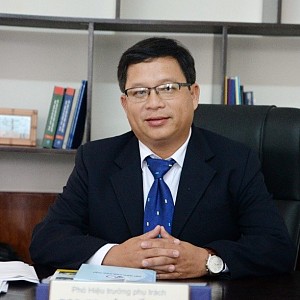
Assoc. Prof. Le Tuan Anh
Thu Dau Mot University
Thu Dau Mot University

PhD. Nguyen Quoc Cuong
Thu Dau Mot University
Thu Dau Mot University

PhD. Doan Ngoc Xuan
Thu Dau Mot University
Thu Dau Mot University

PhD. Nguyen Khoa Truong An
Thu Dau Mot University
Thu Dau Mot University

Assoc. Prof. Nguyen Thanh Binh
Thu Dau Mot University
Thu Dau Mot University

PhD. Le Thi Thuy Dung
Thu Dau Mot University
Thu Dau Mot University

PhD. Ngo Hong Diep
Thu Dau Mot University
Thu Dau Mot University

PhD. Nguyen Duc Dat Duc
Ho Chi Minh City University of Industry and Trade
Ho Chi Minh City University of Industry and Trade

Assoc. Prof. Nguyen Van Duc
Animal Husbandry Association of Vietnam
Animal Husbandry Association of Vietnam

PhD. Nguyen Thi Nhat Hang
Department of Education and Training of Binh Duong Province
Department of Education and Training of Binh Duong Province

PhD. Nguyen Thi Cam Le
Vietnam Aviation Academy
Vietnam Aviation Academy

PhD. Trần Hạnh Minh Phương
Thu Dau Mot University
Thu Dau Mot University
M.A. Pham Van Thinh
Thu Dau Mot University
Thu Dau Mot University

PhD. Nguyen Thi Lien Thuong
Thu Dau Mot University
Thu Dau Mot University
Prof. Le Quang Tri
Can Tho University
Can Tho University
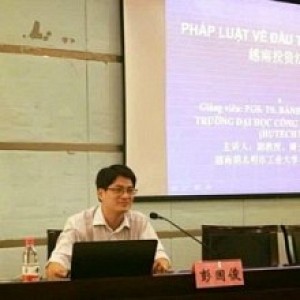
Prof. Banh Quoc Tuan
Thu Dau Mot University
Thu Dau Mot University