
Thu Dau Mot University Journal of Science

Search Papers
2 papers
Non-English Majors’ Perceptions of Ethical Use and Plagiarism Risks of AI Tools in English Academic Writing: A Study at Thu Dau Mot University
Ho Trung Hau, Le Thi My Duyen, Hoang Doan Gia Han
This study explores non-English major students’ perceptions of the ethical use and plagiarism risks associated with Artificial Intelligence (AI) tools in academic writing at Thu Dau Mot University. As AI technologies become increasingly integrated into higher education, concerns about academic integrity, authorship, and originality have intensified. Using a convergent mixed-methods design, data were collected from 108 students through questionnaires and from six participants via semi-structured interviews. Quantitative findings revealed that a majority of students acknowledged the importance of ethical AI use and expressed support for clearer institutional guidelines and teacher training on responsible AI integration. However, uncertainty persisted regarding the ethical boundaries between legitimate assistance and academic misconduct. Qualitative data reinforced these findings, highlighting students’ awareness of AI’s dual role in enhancing writing skills and posing plagiarism risks, particularly through diminished creativity and loss of personal voice. The study underscores the need for localized policies, updated plagiarism regulations, and pedagogical strategies to guide responsible AI use in EFL writing contexts.
OVERCOMING BARRIERS IN ENGLISH COMMUNICATION: INSIGHTS FROM NON-ENGLISH MAJORS AT THU DAU MOT UNIVERSITY
Nguyễn Thị Thanh Thương, Hồ Thị Trà My, Lê Đào Minh Thư, Hồ Trung Hậu
Effective English communication remains a significant challenge for non-English major students at many Vietnamese universities, often hindering their academic and professional development. This study explores the key difficulties faced by non-English majors at Thu Dau Mot University in English communication and their engagement in classroom speaking activities. Using a mixed-methods approach, the study collected data from 100 students through questionnaires and interviews.
The findings reveal four primary challenges: limited vocabulary, pronunciation difficulties, overreliance on the native language, and lack of confidence. These issues not only affect students’ ability to express themselves in English but also reduce their participation in classroom activities.
Despite these obstacles, the study found that active engagement in speaking activities positively impacts students’ learning outcomes, highlighting the importance of supportive and interactive teaching methods. Engagement varied, with students demonstrating greater participation in structured activities than in spontaneous speaking tasks.
Based on the findings, the study provides recommendations for fostering a more engaging and effective learning environment.
Publication Information
Publisher
Thu Dau Mot University, Viet Nam
Editor-in-Chief

Assoc. Prof. Nguyen Van Hiep
Thu Dau Mot University
Thu Dau Mot University
Editorial Board
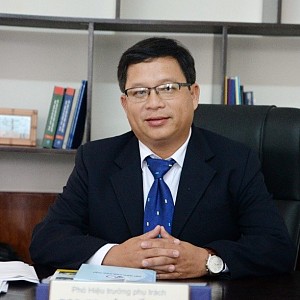
Assoc. Prof. Le Tuan Anh
Thu Dau Mot University
Thu Dau Mot University

PhD. Nguyen Quoc Cuong
Thu Dau Mot University
Thu Dau Mot University

PhD. Doan Ngoc Xuan
Thu Dau Mot University
Thu Dau Mot University

PhD. Nguyen Khoa Truong An
Thu Dau Mot University
Thu Dau Mot University

Assoc. Prof. Nguyen Thanh Binh
Thu Dau Mot University
Thu Dau Mot University

PhD. Le Thi Thuy Dung
Thu Dau Mot University
Thu Dau Mot University

PhD. Ngo Hong Diep
Thu Dau Mot University
Thu Dau Mot University

PhD. Nguyen Duc Dat Duc
Ho Chi Minh City University of Industry and Trade
Ho Chi Minh City University of Industry and Trade
Assoc. Prof. Nguyen Van Duc
Animal Husbandry Association of Vietnam
Animal Husbandry Association of Vietnam

PhD. Nguyen Thi Nhat Hang
Department of Education and Training of Binh Duong Province
Department of Education and Training of Binh Duong Province

PhD. Nguyen Thi Cam Le
Vietnam Aviation Academy
Vietnam Aviation Academy

PhD. Trần Hạnh Minh Phương
Thu Dau Mot University
Thu Dau Mot University
M.A. Pham Van Thinh
Thu Dau Mot University
Thu Dau Mot University

PhD. Nguyen Thi Lien Thuong
Thu Dau Mot University
Thu Dau Mot University
Prof. Le Quang Tri
Can Tho University
Can Tho University
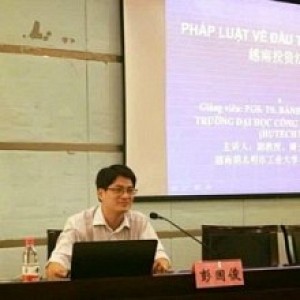
Prof. Banh Quoc Tuan
Thu Dau Mot University
Thu Dau Mot University