
Thu Dau Mot University Journal of Science

Search Papers
3 papers
This study aims to identify the aspects of paragraphs that ChatGPT impacts and to explore students' perceptions of this tool. The study used both quantitative and qualitative methods, with 72 fourth-year students majoring in English Language at Thu Dau Mot University participating. The results indicated that ChatGPT had a strong impact on many aspects of the students' paragraphs, including vocabulary, grammar, coherence, organization of ideas, mechanics, and writing style. Students had a positive perception of ChatGPT, considering it a useful tool that saved time, suggested writing styles, and helped improve the structure of their texts. Additionally, feedback from ChatGPT boosted confidence and helped them gain a better understanding of the topics. However, the tool also had some limitations. Concerns were raised about plagiarism, the accuracy of information, and the reduced interaction between teachers and students. Furthermore, excessive reliance on the tool could impact students' critical thinking and creativity, as well as raise concerns about privacy and information security. This study provides practical values for both teachers and students while contributing to the integration of ChatGPT into the learning process to enhance academic performance.
Non-English Majors’ Perceptions of Ethical Use and Plagiarism Risks of AI Tools in English Academic Writing: A Study at Thu Dau Mot University
Ho Trung Hau, Le Thi My Duyen, Hoang Doan Gia Han
This study explores non-English major students’ perceptions of the ethical use and plagiarism risks associated with Artificial Intelligence (AI) tools in academic writing at Thu Dau Mot University. As AI technologies become increasingly integrated into higher education, concerns about academic integrity, authorship, and originality have intensified. Using a convergent mixed-methods design, data were collected from 108 students through questionnaires and from six participants via semi-structured interviews. Quantitative findings revealed that a majority of students acknowledged the importance of ethical AI use and expressed support for clearer institutional guidelines and teacher training on responsible AI integration. However, uncertainty persisted regarding the ethical boundaries between legitimate assistance and academic misconduct. Qualitative data reinforced these findings, highlighting students’ awareness of AI’s dual role in enhancing writing skills and posing plagiarism risks, particularly through diminished creativity and loss of personal voice. The study underscores the need for localized policies, updated plagiarism regulations, and pedagogical strategies to guide responsible AI use in EFL writing contexts.
Thu Dau Mot University students’ perceptions of plagiarism
Ta Thi Thanh Loan, Ho Ngoc Trung Kien
Plagiarism is a very common problem in many universities. A lot of students plagiarize unconsciously because they don't understand the concept. The study will clarify the concept of plagiarism, as well as ways for universities to help their students avoid the habit of plagiarism. The aim of this study is to explore Thu Dau Mot University Students Knowledge about the seriousness of Plagiarism; Find out the most common types of plagiarism committed by students; Analyzing and finding out the possible common reason a student unintentionally commits plagiarism. In terms of purposes of the study, to answer the research question and based on the background of previous studies, in this study, one hundred students in different majors - Freshman students to senior students are taken as samples. The results of this study showed that the majority of students are aware of plagiarism and the consequences of plagiarizing, plagiarism is fairly common on campus and students are aware of it. The study indicates that plagiarism does exist at Thu Dau Mot University and students are willing to take the risk of plagiarizing, regardless of knowing that it is unacceptable. It also confirms that plagiarism is common amongst students across all departments at Thu Dau Mot University, Binh Duong Province, Vietnam.
Publication Information
Publisher
Thu Dau Mot University, Viet Nam
Editor-in-Chief

Assoc. Prof. Nguyen Van Hiep
Thu Dau Mot University
Thu Dau Mot University
Editorial Board
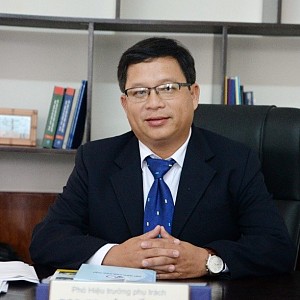
Assoc. Prof. Le Tuan Anh
Thu Dau Mot University
Thu Dau Mot University

PhD. Nguyen Quoc Cuong
Thu Dau Mot University
Thu Dau Mot University

PhD. Doan Ngoc Xuan
Thu Dau Mot University
Thu Dau Mot University

PhD. Nguyen Khoa Truong An
Thu Dau Mot University
Thu Dau Mot University

Assoc. Prof. Nguyen Thanh Binh
Thu Dau Mot University
Thu Dau Mot University

PhD. Le Thi Thuy Dung
Thu Dau Mot University
Thu Dau Mot University

PhD. Ngo Hong Diep
Thu Dau Mot University
Thu Dau Mot University

PhD. Nguyen Duc Dat Duc
Ho Chi Minh City University of Industry and Trade
Ho Chi Minh City University of Industry and Trade

Assoc. Prof. Nguyen Van Duc
Animal Husbandry Association of Vietnam
Animal Husbandry Association of Vietnam

PhD. Nguyen Thi Nhat Hang
Department of Education and Training of Binh Duong Province
Department of Education and Training of Binh Duong Province

PhD. Nguyen Thi Cam Le
Vietnam Aviation Academy
Vietnam Aviation Academy

PhD. Trần Hạnh Minh Phương
Thu Dau Mot University
Thu Dau Mot University

M.A. Pham Van Thinh
Thu Dau Mot University
Thu Dau Mot University

PhD. Nguyen Thi Lien Thuong
Thu Dau Mot University
Thu Dau Mot University

Prof. Le Quang Tri
Can Tho University
Can Tho University
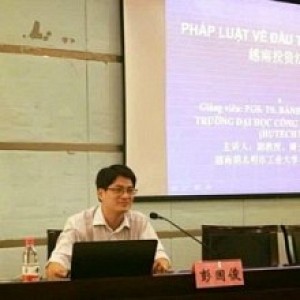
Prof. Banh Quoc Tuan
Thu Dau Mot University
Thu Dau Mot University