
Thu Dau Mot University Journal of Science

Search Papers
1 papers
PAPER MANUFACTURED FROM WATER HYACINTH THE BACH DANG RIVER IN THU DAU MOT CITY, BINH DUONG PROVINCE
Nguyen Thi Mai Thao, Pham Thi Ngoc Thai, Le Cam Duyen, Bui Pham Phuong Thanh, Nguyen Thi Xuan Hanh
In recent years, water hyacinth (Eichhornia crassipes) has been widely recognized as an invasive aquatic plant that proliferates rapidly on rivers, canals, ponds, and lakes, obstructing waterway transportation, impeding water flow, and contributing to environmental degradation. Despite its abundance in large river systems such as the Bach Dang River in Thu Dau Mot City, Binh Duong Province, this biomass resource remains largely underutilized, leading to significant waste of natural materials and ongoing ecological challenges. This study proposes an eco-friendly alternative by transforming water hyacinth into handmade paper sheets with natural coloration, rustic aesthetic, and complete absence of harmful chemicals. The resulting products exhibit acceptable strength and surface quality, making them suitable for practical and decorative applications including coasters, shoe insoles, greeting cards, notebooks, biodegradable packaging, paper bags, and eco-handicraft items. Raw materials were collected directly from the Bach Dang River by a student research group. The research employed a combination of primary and secondary data collection methods, along with experimental, analytical, and synthesis approaches to develop and evaluate the manual paper-making process. The developed chemical-free production method successfully yielded durable paper sheets that are environmentally safe and biodegradable. The findings demonstrate the feasibility of converting an invasive plant into value-added sustainable products, thereby contributing to waste reduction, biomass reuse, and the promotion of green production practices. Although the study is preliminary and limited by manual processing, lack of mechanization, and absence of standardized quantitative testing (e.g., tensile strength, water absorption, and biodegradability under controlled conditions), it provides a promising foundation for further optimization and scale-up. Future research should focus on improving uniformity, enhancing mechanical properties through natural additives, and conducting comprehensive performance and life-cycle assessments to support practical commercialization and broader environmental impact
Publication Information
Publisher
Thu Dau Mot University, Viet Nam
Editor-in-Chief

Assoc. Prof. Nguyen Van Hiep
Thu Dau Mot University
Thu Dau Mot University
Editorial Board
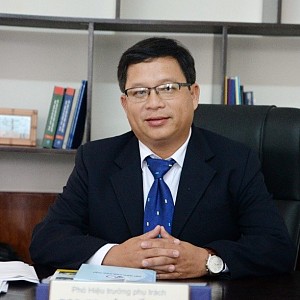
Assoc. Prof. Le Tuan Anh
Thu Dau Mot University
Thu Dau Mot University

PhD. Nguyen Quoc Cuong
Thu Dau Mot University
Thu Dau Mot University

PhD. Doan Ngoc Xuan
Thu Dau Mot University
Thu Dau Mot University

PhD. Nguyen Khoa Truong An
Thu Dau Mot University
Thu Dau Mot University

Assoc. Prof. Nguyen Thanh Binh
Thu Dau Mot University
Thu Dau Mot University

PhD. Le Thi Thuy Dung
Thu Dau Mot University
Thu Dau Mot University

PhD. Ngo Hong Diep
Thu Dau Mot University
Thu Dau Mot University

PhD. Nguyen Duc Dat Duc
Ho Chi Minh City University of Industry and Trade
Ho Chi Minh City University of Industry and Trade

Assoc. Prof. Nguyen Van Duc
Animal Husbandry Association of Vietnam
Animal Husbandry Association of Vietnam

PhD. Nguyen Thi Nhat Hang
Department of Education and Training of Binh Duong Province
Department of Education and Training of Binh Duong Province

PhD. Nguyen Thi Cam Le
Vietnam Aviation Academy
Vietnam Aviation Academy

PhD. Trần Hạnh Minh Phương
Thu Dau Mot University
Thu Dau Mot University
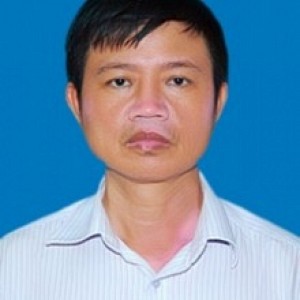
M.A. Pham Van Thinh
Thu Dau Mot University
Thu Dau Mot University

PhD. Nguyen Thi Lien Thuong
Thu Dau Mot University
Thu Dau Mot University
Prof. Le Quang Tri
Can Tho University
Can Tho University
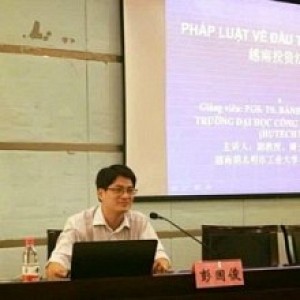
Prof. Banh Quoc Tuan
Thu Dau Mot University
Thu Dau Mot University