
Thu Dau Mot University Journal of Science

Search Papers
23 papers
PRELIMINARY STUDY ON FORMULATION AND BASIC EVALUATION OF COCONUT ENZYME - BASED DISHWASHING LIQUID
Nguyen Thi Kim Ngan. Nguyen Thi Huong Giang, Nguyen Thi Ngoc Trang, Le My Phuong, Bui Pham Phuong Thanh. Nguyen Thi Xuan Hanh
Currently, chemical dishwashing liquids are among the most commonly used cleaning products in households due to their convenience, rapid effectiveness, and low cost. Although chemical dishwashing liquids provide significant cleaning efficiency, they pose many potential risks to human health and the environment, particularly aquatic environments. This is because industrial dishwashing liquids are mostly formulated from water combined with various chemical components such as LAS, SLS, NaOH, SLES, MgSO₄, NH₄Cl, acids, alkalis, fragrances, formaldehyde, and the antibacterial agent triclosan (Adelliya, 2021). These substances can cause numerous health problems with frequent exposure, including the risk of irritant dermatitis. Moreover, if not thoroughly rinsed off, residues may remain on dishes and enter the body, leading to serious health impacts on users, especially pregnant homemakers. In addition, when discharged into the environment, industrial dishwashing liquids contribute to environmental pollution and harm aquatic organisms (Hong-Yan et al., 2009). Given these concerns, the replacement of industrial dishwashing liquids with environmentally friendly alternatives has become increasingly necessary.
The fermentation of coconut is a complex biological process in which microorganisms convert sugars in coconut water into products such as alcohols, organic acids, and flavor compounds. Coconut enzyme is fermented coconut water produced by a microbial system. Due to its organic acid content and synergistic combination with natural ingredients—including coconut ash water (for odor removal), coconut essential oil extract (cocamidopropyl betaine source), coco glucoside (foaming agent), guar gum (thickener), baking soda (NaHCO₃), and table salt (NaCl)—the formulation offers effective cleaning, skin moisturization, and safety for children and individuals with sensitive skin.
This study aimed to find a suitable media for treating biogas effluent wastewater from pig farms. the research recycled polyethylene foam (PE foam) as a material and used it as a microbial adhesion media and immersed in the wastewater of an Aerotank model. The experiment was performed with 3 treatments and three repetitions, including: Aerotank with media from PE foam (treatment 1); Aerotank with MBBR biochip (treatment 2); and Aerotank without media (treatment 3(control)). The results showed that the PE foam media exhibited higher treatment efficiency than the commercially available media (MBBR biochip) and the control, with average removal efficiencies of 79.44%, 62.46%, 79.63%, and 84.95% for COD, TSS, BOD, and N-NH3, respectively. The media from PE foam can be used as a replacement for commercially available media and an option for improving the quality of biogas effluent wastewater.
MODELING AND SIMULATION OF THE EFFECTS OF OPERATING PARAMETERS ON THE VOLTAGE CHARACTERISTICS OF PEM FUEL CELLS
Tran Xuan Dung
Proton exchange membrane fuel cells (PEMFCs) have attracted significant attention due to their high efficiency and low emission characteristics. However, the cell performance is strongly influenced by operating conditions and membrane properties, which are difficult to investigate comprehensively by experimental approaches alone. This study develops a complete electrochemical model of a single PEM fuel cell in the MATLAB – Simulink environment based on the voltage loss mechanisms including the Nernst potential, activation overpotential, ohmic losses, and concentration losses. The model is employed to quantitatively investigate the effects of operating temperature, hydrogen partial pressure, oxygen partial pressure, and membrane thickness on the polarization characteristics (I – V curves) of the PEMFC. Simulation results indicate that increasing temperature significantly enhances activation kinetics and improves cell voltage, while elevated oxygen partial pressure yields the most pronounced performance improvement among gas parameters. Conversely, increasing membrane thickness leads to higher ohmic losses and voltage degradation, especially in the high –current – density regime. The proposed model provides an effective numerical tool for teaching, system analysis, and preliminary optimization of PEMFC operating conditions.
DESIGN AND VALIDATION OF AN IOT-INTEGRATED AUTOMATED DISTILLATION SYSTEM WITH PID TEMPERATURE CONTROL
Nguyen Anh Vu, Nguyen Thanh Doan, Nguyen Phuong Tra
This paper presents the design, implementation, and empirical evaluation of a sophisticated automated alcohol distillation system. The system integrates modern control theory with Internet of Things (IoT) technology to overcome the limitations of traditional manual distillation, which often suffers from inconsistent product quality, high labor dependency, and significant safety risks. The core of the system employs a REX-C100 PID temperature controller for precise thermal regulation, an ESP8266 microcontroller for IoT connectivity, and an array of sensors including a K-type thermocouple and an MQ-3 alcohol concentration sensor for comprehensive process monitoring and safety. A detailed mathematical model of the distillation process and an enhanced PID control algorithm with feedforward compensation are provided. Experimental results demonstrate a 50% reduction in processing time, an increase in process efficiency from 60% to 90%, and a remarkable improvement in product quality consistency from 70% to 95%, all while maintaining a temperature control accuracy of ±1°C. The system successfully enables remote monitoring and control via the Blynk IoT platform, establishing a robust framework for intelligent, safe, and efficient distillation applicable to both small-scale and industrial production
PAPER MANUFACTURED FROM WATER HYACINTH THE BACH DANG RIVER IN THU DAU MOT CITY, BINH DUONG PROVINCE
Nguyen Thi Mai Thao, Pham Thi Ngoc Thai, Le Cam Duyen, Bui Pham Phuong Thanh, Nguyen Thi Xuan Hanh
In recent years, water hyacinth (Eichhornia crassipes) has been widely recognized as an invasive aquatic plant that proliferates rapidly on rivers, canals, ponds, and lakes, obstructing waterway transportation, impeding water flow, and contributing to environmental degradation. Despite its abundance in large river systems such as the Bach Dang River in Thu Dau Mot City, Binh Duong Province, this biomass resource remains largely underutilized, leading to significant waste of natural materials and ongoing ecological challenges. This study proposes an eco-friendly alternative by transforming water hyacinth into handmade paper sheets with natural coloration, rustic aesthetic, and complete absence of harmful chemicals. The resulting products exhibit acceptable strength and surface quality, making them suitable for practical and decorative applications including coasters, shoe insoles, greeting cards, notebooks, biodegradable packaging, paper bags, and eco-handicraft items. Raw materials were collected directly from the Bach Dang River by a student research group. The research employed a combination of primary and secondary data collection methods, along with experimental, analytical, and synthesis approaches to develop and evaluate the manual paper-making process. The developed chemical-free production method successfully yielded durable paper sheets that are environmentally safe and biodegradable. The findings demonstrate the feasibility of converting an invasive plant into value-added sustainable products, thereby contributing to waste reduction, biomass reuse, and the promotion of green production practices. Although the study is preliminary and limited by manual processing, lack of mechanization, and absence of standardized quantitative testing (e.g., tensile strength, water absorption, and biodegradability under controlled conditions), it provides a promising foundation for further optimization and scale-up. Future research should focus on improving uniformity, enhancing mechanical properties through natural additives, and conducting comprehensive performance and life-cycle assessments to support practical commercialization and broader environmental impact
EFFECT OF DRYING METHOD ON TOTAL PHENOLIC CONTENT AND ANTIOXIDANT ACTIVITY OF BLACK GINGER (KAEMPFERIA PARVIFLORA WALL. EX BAKER) SLICES IN DAK LAK, VIETNAM
Hoang Nhat Phi, Pham Thi My Tram
The herbal plant known as black ginger (Kaempferia parviflora Wall. Ex Baker) is a member of the Zingiberaceae family and is extensively distributed in tropical and subtropical regions of Asia. Traditionally, black ginger is used as a health-enhancing herb to relieve joint pain, digestive disorders, and infections.
This study aimed to assess how drying method (sunlight, dried in an oven) affected the moisture content, total phenolic content, and antioxidant activity of slices of black ginger root and rhizome. Total phenolic content was measured using the UV-vis spectrophotometry method with a gallic acid standard. The DPPH free radical scavenging experiment was also used to assess the extracts' antioxidant potential.
Phytochemical screening results showed that black ginger rhizomes and roots had many secondary metabolites, such as alkaloids, flavonoids, polyphenols, and tannins. The highest total phenolic content was found in sliced black ginger rhizomes dried at 60°C (69.15 mg GAE/g extract). Moreover, black ginger samples all had relatively good antioxidant activities, with IC50 values 42.34 to 67.14 times higher than the IC50 of ascorbic acid. The investigation results on drying temperature's effects on TPCs, and the antioxidant activities of black ginger rhizomes and roots support knowledge and experience in using dried black ginger as raw materials for food and pharmaceutical industries.
PERSULFATE ACTIVATION-INDUCED DEGRADATION OF AQUEOUS METHYL ORANGE CATALYZED BY CuO/MnO2 MIXED METAL OXIDES
Do Huynh Dong Thu, Ngo Minh Hieu, Nguyen Le Bach Diep, Huynh Thi Nha Truc, Le Nguyen Hai Hung, Nguyen Trung Hieu
MnO2 has the advantage of being environmentally friendly and abundant in soil, but its ability to activate persulfate is poor. This study combines MnO2 with CuO into a mixed metal oxide through a one-step reaction to increase the persulfate activation efficiency of the obtained product. These mixed oxides were synthesized by alkalization of a solution containing ions of two metals and then calcined at 300°C. The obtained oxide catalysts were characterized by methods such as FTIR, SEM, BET analysis, and zeta potential. The adsorption and decomposition of methyl orange (MO) were experimentally conducted in batch form using the above mixed metal oxides as adsorbents or persulfate activators. The results showed that the mixed oxides exhibited characteristic peaks in the FTIR spectrum, and were in the form of nanorods (CuO) and amorphous small particles (3:1CuO/MnO2). The CuO catalyst has a specific surface area of 20.23m²/g and pore sizes ranging from 20 to 30Å. The zeta potentials of both CuO and MO were highly negative, e.g., -46.5mV and -24.1mV, respectively. The adsorption capacities of MO onto the mixed oxides were quite low (~13.5%) and decreased gradually as the CuO content decreased. However, the persulfate activation capacity of the mixed oxides for MO decomposition was quite high, e.g., that of 3:1CuO/MnO2 for 40mg/L MO was 74.1%. In addition, the decomposition of MO almost followed pseudo-second-order reaction kinetics.
THE APPLYING OF KWL STRATEGY IN TEACHING WAVE OPTICS TO FIRST-YEAR ELECTRICAL ENGINEERING STUDENTS
Nguyen Phuong Duy Anh
In this study, the Wave Optics chapter, which is part of the General Physics A2 course for first-year Electrical Engineering students at Thu Dau Mot university, will be taught using the KWL (Know-Want to know-Learned) strategy. Creating a three-step KWL instructional process for four major Wave Optics chapter topics, creating learning scenarios that use the KWL strategy, and evaluating the technique's effects on students' critical thinking, active learning, and knowledge retention are all parts of the research objectives. Both qualitative and quantitative data analysis techniques are used in this study. Two classes were chosen at random: the experimental group (49 students) was taught using the KWL strategy, while the control group (49 students) followed a traditional instructional method. Data were collected through test scores, post-lesson surveys, and classroom observations. The findings show that the experimental group achieved an average score of 7.31, higher than the control group’s 6.13. Post-lesson surveys indicated that all 15 evaluation criteria reached a "Good" level, with mean scores ranging from 4.24 to 4.54. Students responded positively, expressing enjoyment in being able to ask questions, synthesize information, and engage more deeply in learning. The study confirms that the KWL technique is an effective teaching method that enhances instructional quality and promotes students’ active learning skills. This strategy holds potential for broader application across other STEM subjects to maximize learner-centered knowledge acquisition.
REAL-TIME SORTING OF AGRICULTURAL PRODUCTS USING LABVIEW AND PLC INTEGRATION: A CASE STUDY ON TOMATOES
Nguyen Phuong Tra, Nguyen Anh Vu
The rising demand for automation in agriculture and manufacturing necessitates efficient, cost-effective sorting systems to replace labor-intensive manual processes. This paper introduces an innovative system integrating a Siemens S7-1200 Programmable Logic Controller (PLC), LabVIEW-based image processing, and OPC (OLE for Process Control) communication for automated tomato sorting. Utilizing real-time vision analysis, the system classifies tomatoes by color and size, offering a low-cost, scalable solution tailored for small-scale industries. A high-resolution camera captures images, processed in LabVIEW using HSV color space and size thresholds, with results relayed via OPC to the PLC, which actuates a stepper motor-driven sorting mechanism. Experimental validation in a controlled setting achieved 92% sorting accuracy and a throughput of 60 tomatoes per minute, surpassing manual sorting in speed and consistency. The modular design supports scalability to other agricultural products, enhancing its practical utility.
UTILIZATION OF HYDROXYAPATITE/CRAB SHELL CHITOSAN COMPOSITES IN REMOVAL OF AQUEOUS CONGO RED: INFLUENCE FACTORS, ADSORPTION KINETICS AND ISOTHERM
Nguyen Trung Hieu, Ha Tuan Anh
Due to the limitations of traditional adsorbents for dyeing wastewater, this study combined natural adsorbent (CS, chitosan) and hydroxyapatite (HAp) to form a composite for enhancing the adsorption of aqueous Congo red (CR). The chitosan was prepared from crab shells (Somanniathelphusa sinensis) with a deacetylation degree of about 89%. The HAp and HAp-CS composites were prepared by precipitation in high pH (~10) with the help of concentrated ammonia water (25%). The crab shell chitosan and chitin were characterized by the FTIR method, and the HAp and HAp-CS composites were analyzed using the SEM method. The CR adsorption experiments were carried out in batch form and sampled once for each condition. The results showed that the characteristic peaks in the FTIR spectrum confirmed the success of the crab shell chitosan preparation. The HAp and HAp-CS composites possess porous structures and seem to have a high surface area. The CR adsorptions reached optimal after 5-15 min. contacting, the adsorption efficiency tended to decrease with the initial concentration of CR and increase with the adsorbent dosage. The initial pH of the solution affected the adsorption efficiency for the 70%HAp-CS and 30%HAp-CS composites but had almost no effect on the adsorption capacity of 0%HAp-CS and 50%HAp-CS. The 50%HAp-CS composite had the best adsorption capacity among the synthesized composites (qmax = 769.2mg/g). The adsorption isotherm and kinetics best fit the Langmuir isotherm and pseudo-second-order kinetics model.
LIQUID LEVEL STABILIZATION USING FUZZY ALGORITHM WITH PLC S7 1200
Nguyen Thanh Doan, Pham Hong Thanh
This paper presents a method for liquid level stabilization using a fuzzy logic algorithm implemented on the PLC S7-1200. Maintaining liquid levels accurately is a critical requirement in various industrial processes to ensure safety, efficiency, and consistent product quality. The proposed approach employs fuzzy logic to manage the inherent nonlinearities and uncertainties in the system, providing robust control performance under varying operating conditions. The fuzzy controller is designed with rules and membership functions tailored to the dynamic characteristics of the liquid level system. The control logic is programmed and deployed on the Siemens PLC S7-1200, a widely used industrial automation device. Experimental results demonstrate that the fuzzy logic controller effectively stabilizes the liquid level, achieving better performance compared to traditional PID controllers in terms of response time, overshoot, and steady-state error. This study highlights the potential of integrating fuzzy logic with PLCs for advanced industrial automation applications.
RESEARCH ON COOKING OIL ABSORBENT PADS USING WATER HYACINTH MATERIALS
Nguyen Thi Xuan Hanh, Nguyen Hong Hai Duy, Tran Thi Khanh Hoa
ABSTRACT
Cooking oil is an indispensable ingredient in everyday family cooking. The oil after use is often discharged directly into wastewater systems, leading to risks of environmental pollution, water pollution, clogging of drainage systems... In recent years, water hyacinth plants have been considered weeds, floating on rivers, canals, ponds and lakes, obstructing the circulation of boats and preventing water flow. Water hyacinth plants are often found in large rivers and almost no one cares about their uses, making them truly wasteful.
Realizing the flexibility of water hyacinth when dried, it can be woven into pieces with good absorbent properties, our team has researched using water hyacinth as a material to absorb used cooking oil that is discarded into the environment. school. The research uses the main methods of experimental method and sample analysis method in its research. The result is that a product that absorbs discarded cooking oil scum is formed and is tested for cooking oil contaminated water with results consistent with QCVN 14:2008/BTNMT. The purpose of the research is to find effective products to absorb discarded cooking oil to save costs and contribute to environmental protection. The problem of using naturally available materials to create products that absorb cooking oil scum at the same time solves two current environmental problems. The research is a preliminary result, so there are still many shortcomings. We hope that in the future there will be further research to make the product more and more perfect
RESEARCH ON SAFE DRAWING PRODUCTS FOR CHILDREN FROM FRUITS AND VEGETABLES
Pham Tu Nhi, Nguyen Thi Xuan Hanh
ABSTRACT
Nowadays, parents' needs are increasing to choose toys, especially painting colors, that are both beautiful, ensure their children's health, and are also environmentally friendly. In the production of industrial painting colors, waste from steps in the watercolor production line, if not treated to meet environmental standards according to regulations, will become a huge hazard to the environment and human health. human. Including causing skin, eye, digestive, and respiratory allergies. Causes poisoning, disease, cancer... Destroys the aquatic environment, trees, pollutes rivers and lakes. When building an industrial painting colors production line and putting it into use, if you do not think about solutions to treat wastewater from the production process, it will not be able to operate long term. Wastewater from color factories is mainly heavy metals contained in painting colors such as lead carbonate, oxide, and metal salts containing cadmium chromate. These substances cause mass death of organisms in the water, and polluted water cannot be used for agriculture. This research uses two main methods: experimental research to create products; combined with the questionnaire survey method to get customer opinions after using the painting colors test. Research results show that painting colors products made from fruits and vegetables combined with beeswax and coconut oil are very eye-catching and receive positive feedback from customers. With the im of protecting children in the future and responding to the green environmental message in the world, we hope that safe painting colors products from vegetables and fruits will be popularized in the community in the future.
Keywords: vegetables, painting colors, environmental protection, safe products, beeswax.
RESEARCH ON UTILIZING COFFEE GROUNDS AS A SUBSTRATE FOR CULTIVATING GREY OYSTER MUSHROOMS (PLEUROTUS SAJOR-CAJU) IN URBAN AREAS
Nguyen Thi Thanh Thao, Nguyen Thi Ngoc, Nguyen Hoang Tien, Pham Le Minh Thien, Pham Anh Thu, Nguyen Huu Vinh
Abstract: Urban agriculture is a highly concerned issue during the period of rapid urbanization in Vietnam. Research aims to propose a cultivation process for cultivating oyster mushrooms, utilizing coffee grounds from coffee businesses as a resource. This approach promotes circular economy principles, generating economic benefits for households while protecting the environment and being suitable for urban areas. The study conducted experiments on grey oyster mushrooms using different mixtures of coffee grounds and rubber wood sawdust at the following ratios: 0%, 25%, 50%, 75%, and 100% coffee grounds/rubber wood sawdust, filled into bags with a weight of 1.2kg. The research results showed that disease infection rates were mild in the 0% and 25% mixture ratios, while the remaining ratios exhibited moderate to severe infection levels. The highest mushroom yield was observed in the mixture ratio of 25% coffee grounds, with an average number of mushroom ears per bag reaching 29.7grams/bag, the dry weight is 63.8 grams/bag, with an average size ranging from 3 to 14 cm and a moisture content of 79.5%. The fastest colonization speed on the substrate is achieved by 25%, 50% coffee grounds blend, which fully colonizes the bag in a period of 25 to 35 days, the shortest time compared to the 75% and 100% coffee grounds blends, which take 40 to 45 days. The experimental results show that the 25% coffee grounds: 75% rubber sawdust blend is suitable for urban mushroom cultivation models and can be expanded on a large-scale farm, contributing to minimizing environmental pollution, utilizing limited urban land area, and providing high economic efficiency.
Combined biological and chemical-physical processes for domestic wastewater treatment
Huynh Ngoc Anh Tuan, Nguyen Tri Quang Hung, Cai Thi Quyen, Ho Thanh Ba, Nguyen Minh Ky, Truong Quoc Minh
The present study aims to investigate the possibility of domestic wastewater treatment using biological system combined with chemical-physical processes, including Upflow Sludge Blanket Filtration (USBF) technology and PolyAluminium Chloride (PAC). Experimental results showed that the added PAC content plays an essential role in improving the treatment efficiency and reached National Technical Regulation on domestic wastewater QCVN 14:2008/BTNMT (Column A). With Jar-test results, the optimal pH of 7.0 and the PAC dosage of 170 mg/L were recorded with the highest removal efficiencies for suspended solids and organic matter. In the modified USBF bioreactor, the findings illustrated the pollutant removal efficiencies such as Biochemical Oxygen Demand (BOD5), Chemical Oxygen Demand (COD), and Suspended Solids (SS) were equal to 96.2 ± 1.4%, 85.8 ± 4.4% and 99.3 ± 2.1%, respectively. The parameters of BOD5 and SS met QCVN 14:2008/BTNMT - Column A. In the future, this advanced filtration technology can be helpful for wastewater reclamation and reuse to cope with water scarcity.
Benchmarking study between Lagamine and Comsol Solvers for Finite Element Thermal Analyses of Directed Energy Deposition Process
Bui Sy Vuong, Tran Van Xuan, Le Van Thao
This work presents a benchmarking study between Lagamine, an in-house developed finite element (FE) code, and COMSOL Multiphysics® (Comsol) commercial software in thermal analyses to investigate their capability in modeling complex manufacturing processes. For this purpose, two case studies, including a NAFEMS benchmark for heat transfer with convection and a Directed Energy Deposition (DED) of a bulk sample, were used as test cases. The simulation models using Lagamine and Comsol solvers for each case were described. The underlying algorithms and theories, as well as the soft-ware development, are investigated. The computational results indicate slight differ-ences between Lagamine and Comsol solutions in both case studies. For the NAFEMS test case, the results obtained with Comsol solver appear to be less dependent on the mesh size than those obtained with Lagamine. For the DED test case, within the chosen configurations of Lagamine and Comsol codes, the maximum difference in the highest peak temperatures obtained from the two codes is about 20%. From an engineering point of view, it is suggested to determine parameters of the FE model consistently with the selected FE code to provide the best match with experimental observations.
Comparing the potential of three dracaena species to remove lead (pb) from artificial aqueous media
Ho Bich Lien
The study was undertaken to compare the lead accumulation and removal of Dracaena sanderiana, Dracaena reflexa, and Dracaena deremensis on artificial lead solutions to apply plants in lead pollution treatment. The experiment consisted of 6 treatments corresponding to 3 investigated species of Dracaena. Each treatment was grown on 2 types of solution with Pb and without Pb used as control. The results indicated that the growth of D. sanderiana, D. reflexa, and D. deremensis was not affected at Pb concentrations of 100 ppm. All three plant species had the ability to absorb and accumulate Pb. In which D. sanderiana was a typical lead excluder because the lead concentration in roots (1952.14 mg/kg), shoots (221.78 mg/kg), and leaves (166.46 mg/kg) of the plants were the highest among the three plants tested. The most of lead accumulated in the root, and transportation of lead in D. sanderiana, D. reflexa, and D. deremensis from root to shoot was restricted. Besides, the highest % removal of Pb was found at D. sanderiana (93.16%) and the minimum of 66.77% at D. reflexa. D. sanderiana is the best choice among the three Dracaena species used for phytoremediation of lead contaminated wastewater.
Heavy metals are the most dangerous substances in the environment, have caused deleterious effect not only to the environment but also to the public’s health. Different studies have demonstrated that plants have a high removal capacity for lead ions from pollution sources. However, these plant species were rather limited. Thus, the project aimed to find out plant species that represent its lead removal ability to reduce environmental pollution. The experiment was carried out factorially as a randomized complete design in hydroponic systems with four treatments (0, 100, 200, and 300 mg/l of Pb) and three replications. The results indicated that the growth of the Dracaena sanderiana plant is well in Pb concentration of 100 mg/l, with less growth while the increasing lead concentration of 200 mg/l and 300 mg/l. The amount of lead in the water of three treatments 100 mg/l, 200 mg/l, and 300 mg/l after 30 days of the experiment decreased by 91.5%, 86.8%, and 86.4%, respectively. It was found that Dracaena sanderiana exhibited high lead treatment efficiency in the water. Moreover, results showed that the accumulation of lead in the roots of Dracaena sanderiana is quite large with treatments of 100 mg/l, 200 mg/l, and 300 mg/l lead concentrations were 5073.8 mg/kg, 5134.0 mg/kg, 7054.0 mg/kg, respectively. In contrast, the ability to lead accumulation in plant leaves and stems is lower. cultivated in hydroponic systems with four treatments and three replications. Four levels of Pb(NO3)2 (0, 100, 200, and 300 ppm) were used. The monitoring indicators include the contents of lead in water, the growth target of Dracaena sanderiana, and the accumulation of lead contents in different organs of Dracaena sanderiana. The results indicated that: the growth of the Dracaena sanderiana plant is well in Pb concentration of 100 ppm, with less growth while the increasing lead concentration of 200 ppm and 300 ppm. The amount of lead in the water of three treatments 100 ppm, 200 ppm, and 300 ppm after 30 days of the experiment decreased by 91.5%, 86.8%, and 86.4%, respectively. It was found that Dracaena sanderiana exhibited high lead treatment efficiency in the water. Moreover, results show that the accumulation of lead in the roots of Dracaena sanderiana is quite large with treatments of 100 ppm, 200 ppm, and 300 ppm lead concentrations were 5073.8 mg/kg, 5134.0 mg/kg, 7054.0 mg/kg, respectively. In contrast, the ability to lead accumulation in plant leaves and stems is much lower.
The optimization of cordyceps militaris extraction process from fruiting body
Nguyen Thi Ngoc Nhi
Cordyceps has long been considered as a valuable medicinal herb known to possess numerous biological activities, including anti-microbial, anti-cancer, anti-metastasis and immunomodulatory effects. With its benefits, many studies on optimizing the cultivation and production of C. militaris have been carried out. In addition, extraction methods have also been improved to intense efficiency extract the medicinal substances contained in this rare fungi. In this study, the aim was to optimize the process of C. militaris extraction from fruiting bodies based on 17 experimental data using water extraction method. The factors that affects to the extraction productivity such as: extraction temperature, extraction time and water/fungi ratio were investigated within a certain range. The experiments were arranged according to the Box-Behnken design, and then the results was optimized by Design expert software (version 13). In the optimal condition, the maximum productivity can be up to 32.23% with the extraction temperature is at 98oC, the water/fungi ratio is 18:1 and the extraction time is 4 hours.
Research on bagasse recycle total paper application in life
Nguyễn Thị Xuân Hạnh, Nguyễn Thị Bích Ngọc, Võ Thị Hải Yến
In the new era, paper is still the main source of raw materials for daily life and production activities. Therefore, the research team explored recycling paper from bagasse to reduce waste and limit the depletion of available resources. The main material is bagasse with binders of aloe vera, corn starch, and CaCO3 in certain proportions to create paper products. From the methods of data collection, experiment, quality control, and meta-analysis to make paper from sugarcane applied to daily life. The disintegration test showed about three hours of paper dissolving in water. The product is tearable and has good adhesion. The product is handmade, so the thickness can be adjusted depending on the purpose of use. The product has a certain curvature and high strength. In addition, it is possible to create from this recycled paper into products that are applied in life such as decorative cards, bags, etc.
Researching of compost production from mixed material of cow dung, coir and domestic waste
Le Thi Dao
Research results show that compost was created at the rate of C / N: 25/1 by mixing ingredients 2.5 grams of cow manure, 3g of organic waste, 0.01g of coir based on calculation of content. C and N in each material; With the humidity of 60% based on the calculation of the moisture content from the compost materials combined with the amount of water to add is 670ml, from which a Compost fertilizer has been produced. Determination of the optimal values for the mixratio and function has been verified on experimental crops. Research also shows that the use of probiotics in composting will shorten the compost time, limit the odor escaping from the compost.
Design of hand-wash equipment prevention Covid-19 use solar energy
Thanh Tung Nguyen
SARSCOV-2 virus and new strains have been spreading in most countries and regions around the world, the COVID-19 epidemic it causes has infected millions of people, the urgent need is to prevent their spread. On the market there are many types of hand wash equipment automatically spray disinfectant solution used with many different sensors and operating principles, but most are still using AC power. In this topic, we design automatic hand washing equipment by applying the transmitter and receiver principle of the moving infrared sensor circuit and delay relay circuit to detect someone appearing in the observation area, click activating the MP3 reader circuit plays the “5K” propaganda sound about Covid -19 disease prevention and the position sensor activates the mini-pump to spray the hand-washing gel within a certain detecting distance. We have conducted experiments and completed our projects with devices that use energy from solar cells, through charging circuits and storage batteries with the goal of using renewable energy, minimizing impact of the greenhouse effect.
Study on design and fabrication of a prototype equipment used for corrosion inspection on petrochemical tank bottom by magnetic flux leakage method
Dang Quoc Trieu, Vuong Duc Phung, Bui Trong Duy, Tran Minh Tien, Lai Viet Hai, Tran Trong Hieu
Corrosion of the bottom of the petroleum tank may lead to a product leak that could cause a fire or explosion resulting in damage to people and the environment, therefore the test of tank bottom corrosion is necessary to be conducted periodically to prevent the occurrence of the above problems. In non-destructive inspection, the Magnetic Flux Leakage (MFL) method relies on the variation of fluxes caused by defects on the surface of materials to detect corrosion, pitting, or imperfections, which is proved quite effectively with low cost. The project was implemented to develop a prototype of the MFL bottom detection device based on the research results in the world to improve corrosion survey capacity in industrial equipment, as well as to improve the expertise in the Research Team of electronics and automation in the fields of magnetic fields and sensors. As a result, an MFL model using permanent magnets and Hall sensors were fabricated. Survey experiments showed that the machine could detect corrosion defects up to 20% of steel wall thickness in the scanning speed range from 500 mm/s to 1130 mm/s. However, to meet the actual survey needs, the team must continue to improve the device in terms of sensitivity, scanning speed, the ability to operate automatically or semi-automatically, and register for a fire safety inspection.
Publication Information
Publisher
Thu Dau Mot University, Viet Nam
Editor-in-Chief

Assoc. Prof. Nguyen Van Hiep
Thu Dau Mot University
Thu Dau Mot University
Editorial Board
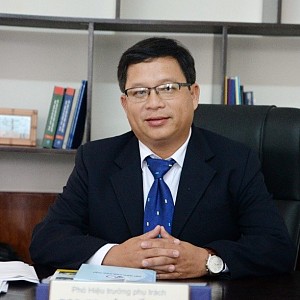
Assoc. Prof. Le Tuan Anh
Thu Dau Mot University
Thu Dau Mot University

PhD. Nguyen Quoc Cuong
Thu Dau Mot University
Thu Dau Mot University

PhD. Doan Ngoc Xuan
Thu Dau Mot University
Thu Dau Mot University

PhD. Nguyen Khoa Truong An
Thu Dau Mot University
Thu Dau Mot University

Assoc. Prof. Nguyen Thanh Binh
Thu Dau Mot University
Thu Dau Mot University

PhD. Le Thi Thuy Dung
Thu Dau Mot University
Thu Dau Mot University

PhD. Ngo Hong Diep
Thu Dau Mot University
Thu Dau Mot University

PhD. Nguyen Duc Dat Duc
Ho Chi Minh City University of Industry and Trade
Ho Chi Minh City University of Industry and Trade

Assoc. Prof. Nguyen Van Duc
Animal Husbandry Association of Vietnam
Animal Husbandry Association of Vietnam

PhD. Nguyen Thi Nhat Hang
Department of Education and Training of Binh Duong Province
Department of Education and Training of Binh Duong Province

PhD. Nguyen Thi Cam Le
Vietnam Aviation Academy
Vietnam Aviation Academy

PhD. Trần Hạnh Minh Phương
Thu Dau Mot University
Thu Dau Mot University
M.A. Pham Van Thinh
Thu Dau Mot University
Thu Dau Mot University

PhD. Nguyen Thi Lien Thuong
Thu Dau Mot University
Thu Dau Mot University
Prof. Le Quang Tri
Can Tho University
Can Tho University
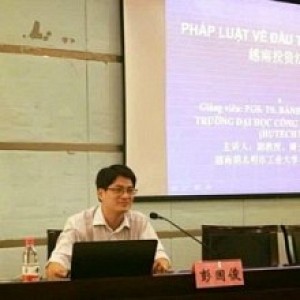
Prof. Banh Quoc Tuan
Thu Dau Mot University
Thu Dau Mot University