
Thu Dau Mot University Journal of Science

Search Papers
76 papers
AGRICULTURAL TOURISM IN THE MEKONG DELTA, VIETNAM: STATE POLICIES, ENTERPRISE STRATEGIES AND COMMUNITY PARTICIPATION
Ngo Thi Phuong Lan, Huynh Ngoc Thu
Agricultural tourism (agritourism) has become an emerging
development pathway in the Mekong Delta, where agriculture, culture,
and water-based ecosystems intersect to form distinctive rural
landscapes. Within Vietnam’s broader agenda of rural restructuring and
sustainable development, agritourism in the region has gradually
evolved from small-scale household initiatives into a more organized
sector shaped by the interaction of state policies, enterprise strategies,
and community participation. This study examines how these three
actors collectively influence agritourism development in the Mekong
Delta. Using a qualitative research design and an embedded case study
approach, the analysis draws on national and provincial policy
documents, industry reports, and representative agritourism models
such as My Khanh Tourist Village, Con Son Community Cooperative,
Con Chim Ecotourism Site, Con Ong experiential farm, and the Dinh
Yen Mat weaving craft village. The findings indicate that since 2010,
the Vietnamese government has established a policy framework
promoting experiential agriculture-based tourism, regional
connectivity, climate-resilient development, and cultural preservation,
thereby enabling enterprises to upgrade facilities, diversify tourism
services, and expand regional tour circuits. At the same time, local
communities have reorganized tourism activities through cooperative
and community-based models that integrate agricultural practices,
culinary heritage, and craft traditions into visitor experiences.
Successful initiatives demonstrate improvements in income generation,
employment opportunities, cultural continuity, and environmental
awareness. However, agritourism in the Mekong Delta still faces
challenges, including fragmented policy implementation, limited
destination management capacity, weak interprovincial coordination,
repetitive tourism products, and environmental pressures associated
with climate change. The study argues that the sustainability of
agritourism in the region depends on strengthening the alignment
between policy frameworks, enterprise innovation, and communitybased stewardship.
AL-DOPED SILICENE NANORIBBONS IN AN EXTERNAL ELECTRIC FIELD
Hoang Van Ngoc
Silicene nanoribbons (SiNRs), as one-dimensional derivatives of silicene, exhibit highly anisotropic charge transport and hold significant promise for future nanoelectronics applications. In this work, we systematically investigate the structural stability and electronic properties of hydrogen-passivated SiNRs doped with aluminum using first-principles density functional theory calculations performed with the VASP package. Several possible Al substitutional doping configurations are examined, among which three representative geometries-top, valley, and 1-1 arrangements-are identified as energetically stable, while other configurations undergo severe structural distortions or bond breaking during structural relaxation. Formation energy analysis indicates that the 1-1 alloy configuration is the most thermodynamically favorable due to the symmetric distribution of Al dopants and a balanced local bonding environment. Electronic structure calculations reveal that pristine hydrogenated SiNRs are narrow-gap semiconductors with a band gap of approximately 0.325 eV, whereas all stable Al-doped systems undergo a transition to semi-metallic behavior. This electronic transformation originates from the incorporation of group-III aluminum atoms, which introduce hole carriers and shift the Fermi level, leading to enhanced electrical conductivity. In addition, the tunability of the electronic properties is further explored under a constant external electric field of 0.15 eV/Å, demonstrating additional control over the electronic response of the doped nanoribbons. These results highlight aluminum doping, in combination with external electric-field modulation, as an effective strategy for tailoring the electronic characteristics of silicene nanoribbons and suggest promising opportunities for the design of low-dimensional materials with controllable transport properties for advanced nanoelectronics and optoelectronic applications.
PRELIMINARY STUDY ON FORMULATION AND BASIC EVALUATION OF COCONUT ENZYME - BASED DISHWASHING LIQUID
Nguyen Thi Kim Ngan. Nguyen Thi Huong Giang, Nguyen Thi Ngoc Trang, Le My Phuong, Bui Pham Phuong Thanh. Nguyen Thi Xuan Hanh
Currently, chemical dishwashing liquids are among the most commonly used cleaning products in households due to their convenience, rapid effectiveness, and low cost. Although chemical dishwashing liquids provide significant cleaning efficiency, they pose many potential risks to human health and the environment, particularly aquatic environments. This is because industrial dishwashing liquids are mostly formulated from water combined with various chemical components such as LAS, SLS, NaOH, SLES, MgSO₄, NH₄Cl, acids, alkalis, fragrances, formaldehyde, and the antibacterial agent triclosan (Adelliya, 2021). These substances can cause numerous health problems with frequent exposure, including the risk of irritant dermatitis. Moreover, if not thoroughly rinsed off, residues may remain on dishes and enter the body, leading to serious health impacts on users, especially pregnant homemakers. In addition, when discharged into the environment, industrial dishwashing liquids contribute to environmental pollution and harm aquatic organisms (Hong-Yan et al., 2009). Given these concerns, the replacement of industrial dishwashing liquids with environmentally friendly alternatives has become increasingly necessary.
The fermentation of coconut is a complex biological process in which microorganisms convert sugars in coconut water into products such as alcohols, organic acids, and flavor compounds. Coconut enzyme is fermented coconut water produced by a microbial system. Due to its organic acid content and synergistic combination with natural ingredients—including coconut ash water (for odor removal), coconut essential oil extract (cocamidopropyl betaine source), coco glucoside (foaming agent), guar gum (thickener), baking soda (NaHCO₃), and table salt (NaCl)—the formulation offers effective cleaning, skin moisturization, and safety for children and individuals with sensitive skin.
PAPER MANUFACTURED FROM WATER HYACINTH THE BACH DANG RIVER IN THU DAU MOT CITY, BINH DUONG PROVINCE
Nguyen Thi Mai Thao, Pham Thi Ngoc Thai, Le Cam Duyen, Bui Pham Phuong Thanh, Nguyen Thi Xuan Hanh
In recent years, water hyacinth (Eichhornia crassipes) has been widely recognized as an invasive aquatic plant that proliferates rapidly on rivers, canals, ponds, and lakes, obstructing waterway transportation, impeding water flow, and contributing to environmental degradation. Despite its abundance in large river systems such as the Bach Dang River in Thu Dau Mot City, Binh Duong Province, this biomass resource remains largely underutilized, leading to significant waste of natural materials and ongoing ecological challenges. This study proposes an eco-friendly alternative by transforming water hyacinth into handmade paper sheets with natural coloration, rustic aesthetic, and complete absence of harmful chemicals. The resulting products exhibit acceptable strength and surface quality, making them suitable for practical and decorative applications including coasters, shoe insoles, greeting cards, notebooks, biodegradable packaging, paper bags, and eco-handicraft items. Raw materials were collected directly from the Bach Dang River by a student research group. The research employed a combination of primary and secondary data collection methods, along with experimental, analytical, and synthesis approaches to develop and evaluate the manual paper-making process. The developed chemical-free production method successfully yielded durable paper sheets that are environmentally safe and biodegradable. The findings demonstrate the feasibility of converting an invasive plant into value-added sustainable products, thereby contributing to waste reduction, biomass reuse, and the promotion of green production practices. Although the study is preliminary and limited by manual processing, lack of mechanization, and absence of standardized quantitative testing (e.g., tensile strength, water absorption, and biodegradability under controlled conditions), it provides a promising foundation for further optimization and scale-up. Future research should focus on improving uniformity, enhancing mechanical properties through natural additives, and conducting comprehensive performance and life-cycle assessments to support practical commercialization and broader environmental impact
THE IMPACT OF CHATGPT USE ON STUDENTS’ COGNITIVE AND BEHAVIORAL ENGAGEMENT IN HIGH SCHOOL PHYSICS LEARNING: A CASE STUDY AT VO MINH DUC HIGH SCHOOL
Nguyen Phuong Duy Anh
Abstract
This study examines how ChatGPT influences high school students’ cognitive and behavioral engagement in Physics learning, drawing on survey data from 251 students at Vo Minh Duc High School in Ho Chi Minh City. Although generative AI is increasingly adopted in education, little is known about how Vietnamese students use ChatGPT in a cognitively demanding subject like Physics-representing a notable research gapin a cognitively demanding subject like Physics, which represents a notable research gap. Using a mixed-methods design, the study explores how students employ ChatGPT, how they perceive its usefulness and reliability, and how its use shapes learning behaviors. Findings indicate that students commonly use ChatGPT as a self-study aid and perceive it as helpful for understanding complex concepts, yet many express concerns about accuracy and show signs of overreliance when using the tool without guidance. The study highlights the dual impact of ChatGPT-supporting learning while potentially reducing independent thinking-and contributes evidence potentially reducing independent thinking and contributes evidence to inform AI literacy development, teacher training, and pedagogical frameworks for responsible integration of generative AI in secondary education.
AI INTEGRATION IN TEACHING AND LEARNING: FACULTY TRAINING FOR THE USE OF ARTIFICIAL INTELLIGENCE IN HIGHER EDUCATION IN VIETNAM
Le Ho Van Phang, Luu Thao Ly, Giang Gia Bao, Vu Hoang Long, Nguyen Tam Nhu Ngoc
This study examines the relationships between Training Quality (TQ), Institutional Support (IS), Faculty Readiness (FR), and Perceived Effectiveness (PE) in the context of artificial intelligence (AI) integration in higher education institutions (HEIs) in Vietnam. Employing Partial Least Squares Structural Equation Modeling (PLS-SEM), data from 418 faculty members from higher education institutions (HEIs) in Vietnam were analyzed to identify key factors influencing the adoption of AI in teaching. The findings reveal that both TQ and IS significantly enhance FR, underscoring the critical importance of comprehensive training programs and institutional resources for preparing faculty to adopt AI. Furthermore, FR has a substantial impact on PE and serves as a mediator between TQ and PE, as well as IS and PE. This highlights the pivotal role of faculty readiness in transforming training and support into perceived improvements in teaching effectiveness. The model demonstrates high predictive relevance for both FR (Q² = 0.55) and PE (Q² = 0.60), suggesting the robustness of the theoretical framework. Despite the study’s limitations, including its focus on Vietnamese HEIs and cross-sectional design, it provides valuable insights for designing effective faculty development and institutional support strategies to facilitate AI integration
This study aims to identify the aspects of paragraphs that ChatGPT impacts and to explore students' perceptions of this tool. The study used both quantitative and qualitative methods, with 72 fourth-year students majoring in English Language at Thu Dau Mot University participating. The results indicated that ChatGPT had a strong impact on many aspects of the students' paragraphs, including vocabulary, grammar, coherence, organization of ideas, mechanics, and writing style. Students had a positive perception of ChatGPT, considering it a useful tool that saved time, suggested writing styles, and helped improve the structure of their texts. Additionally, feedback from ChatGPT boosted confidence and helped them gain a better understanding of the topics. However, the tool also had some limitations. Concerns were raised about plagiarism, the accuracy of information, and the reduced interaction between teachers and students. Furthermore, excessive reliance on the tool could impact students' critical thinking and creativity, as well as raise concerns about privacy and information security. This study provides practical values for both teachers and students while contributing to the integration of ChatGPT into the learning process to enhance academic performance.
The administrative merger in Southeast Vietnam has fundamentally reshaped regional governance, spatial configurations, and development priorities, creating urgent requirements for a more integrated approach to science and technology (S&T) human resource development. To assess the implications of this restructuring, the study employs a mixed-methods design that combines institutional diagnostics, comparative policy analysis, and quantitative evaluation of workforce indicators. Empirical data are sourced from national statistical agencies, ministerial datasets, provincial development reports, and international benchmarking studies. The analysis focuses on the S&T workforce within the newly configured administrative units of expanded Ho Chi Minh City, Dong Nai, and Tay Ninh, examining competency structures, spatial distribution, coordination mechanisms, and post-merger system dynamics. The findings reveal significant disparities in qualification profiles, weak cross-provincial linkages in training and research, and limited alignment between workforce planning and emergent regional development trajectories. Despite these constraints, the merger presents opportunities to consolidate training capacity, strengthen innovation networks, and enhance talent mobility. The study argues for a coordinated regional S&T human resource strategy supported by institutional harmonization, a functionally differentiated training system, AI-enabled workforce planning tools, and expanded regional–national–international cooperation to advance a knowledge-based, climate-adaptive development pathway for Southeast Vietnam.
CASE STUDY: APPLYING INFORMATION TECHNOLOGY IN TEACHING FIRST GRADE MATHEMATICS TO DEVELOP COMPREHENSIVE COMPETENCIES FOR PRIMARY SCHOOL STUDENTS
Chu Thi Ngoc Diep, Tran Thi Yen Giang, Pham Quynh Giang
This study evaluated the effectiveness of Information Technology (IT) applications in teaching Grade 1 mathematics to develop students' comprehensive competencies. Tools such as Canva, Twinkl, and online educational games were integrated into lessons to create an engaging learning environment and to enhance students' skills. Significant improvements were observed: students’ ability to sequence numbers increased from 33% to 83.3%, number comparison skills improved from 31% to 90.5%, and effective teamwork skills rose from 40% to 95.2%. Additionally, self-directed learning levels increased from 24% to 85.7%, and creativity in problem-solving grew from 33% to 80.9%. These results underscore the positive impact of IT in developing primary students' academic and collaborative skills.
PERSULFATE ACTIVATION-INDUCED DEGRADATION OF AQUEOUS METHYL ORANGE CATALYZED BY CuO/MnO2 MIXED METAL OXIDES
Do Huynh Dong Thu, Ngo Minh Hieu, Nguyen Le Bach Diep, Huynh Thi Nha Truc, Le Nguyen Hai Hung, Nguyen Trung Hieu
MnO2 has the advantage of being environmentally friendly and abundant in soil, but its ability to activate persulfate is poor. This study combines MnO2 with CuO into a mixed metal oxide through a one-step reaction to increase the persulfate activation efficiency of the obtained product. These mixed oxides were synthesized by alkalization of a solution containing ions of two metals and then calcined at 300°C. The obtained oxide catalysts were characterized by methods such as FTIR, SEM, BET analysis, and zeta potential. The adsorption and decomposition of methyl orange (MO) were experimentally conducted in batch form using the above mixed metal oxides as adsorbents or persulfate activators. The results showed that the mixed oxides exhibited characteristic peaks in the FTIR spectrum, and were in the form of nanorods (CuO) and amorphous small particles (3:1CuO/MnO2). The CuO catalyst has a specific surface area of 20.23m²/g and pore sizes ranging from 20 to 30Å. The zeta potentials of both CuO and MO were highly negative, e.g., -46.5mV and -24.1mV, respectively. The adsorption capacities of MO onto the mixed oxides were quite low (~13.5%) and decreased gradually as the CuO content decreased. However, the persulfate activation capacity of the mixed oxides for MO decomposition was quite high, e.g., that of 3:1CuO/MnO2 for 40mg/L MO was 74.1%. In addition, the decomposition of MO almost followed pseudo-second-order reaction kinetics.
The manuscript contends that the strengthening of Australia's diplomatic relations with Southeast Asia can be attributed to the escalating threat posed by China's rise, the US's precarious role in the Asia-Pacific landscape, and the increasingly complex economic interconnections between the US, Australia, and Southeast Asia vis-à-vis China. Historically, the strategic alliance with the United States has been the cornerstone of Canberra's foreign policy framework. Nonetheless, Canberra's concerns about Washington's uncertain presence have grown as a result of the ongoing changes in US National Security Policy over the previous decade, from 2016 to 2025. In the long run, it can be argued that the dominant trajectory indicates Canberra's intention to strengthen its comprehensive strategic partnership with Southeast Asia, despite the increased complexity and fragmentation observed within Australia's multicultural society. While some analysts argue that Canberra's strategic alliance with the United States still predisposes it to prioritize the abandonment of Southeast Asia, there is a counterargument that Australia's strategic partnership with Washington is gradually dwindling after over 75 years of establishment and evolution. In light of the aforementioned circumstances, the manuscript advocates for Australia to recalibrate its domestic policies, particularly its ethnic policies concerning the Asian immigrant populace, and to leverage the existing networks of economic and social relationships with Southeast Asian nations, thus cultivating a framework of alliances among middle powers within the region, which would mitigate the risk of becoming ensnared in the strategic rivalry between the US and China in Southeast Asia.
THE IMPACT RANKINGS AND SUSTAINABLE DEVELOPMENT GOALS OF UNIVERSITIES IN VIETNAM
Nguyen Thi Mong Ngoc
THE Impact Ranking reflects the impact and contribution of universities around the world, including Vietnam, to the community towards the 17 sustainable development goals of the United Nations. The purpose of this study is to evaluate the ranking results of Vietnamese universities in this ranking and the sustainable development goals that they are pursuing. The results show that from only one Vietnamese university among 467 global universities ranked in 2019, there are now 13 Vietnamese universities out of 1,936 global universities in the rankings. In addition to the mandatory SDG17, most Vietnamese universities mainly focus on the 8 SDGs related to economy, health, education, peace, equality and community (SDG1, SDG3, SDG4, SDG5, SDG8, SDG10, SDG11, SDG16). However, few universities focus on the goals related to poverty and environmental resources (SDG2, SDG6, SDG7, SDG9, SDG12, SDG13, SDG14, SDG15). This situation poses great responsibility and challenge for Vietnamese universities in accompanying the world in realizing the goal of sustainable development. This study is a reference resource for Vietnamese universities to identify sustainable development goals that should be prioritized in their short-term and long-term plans when participating in THE Impact rankings, in order to contribute to building a peaceful, just and prosperous society
INFLUENCE OF PRESSURE ON STRUCTURAL PROPERTIES OF AG: A MOLECULAR DYNAMICS SIMULATION
Mai Van Dung, Truong Duc Quynh
In this study, molecular dynamics simulations were employed to investigate the influence of pressure on the structural properties of silver (Ag) at 300K. The results reveal that an increase in pressure leads to a reduction in nearest-neighbor distance, a promotion of local ordering, and a transition from a largely disordered state to a predominantly face-centered cubic FCC crystalline structure. At intermediate pressures, both hexagonal close-packed HCP and body-centered cubic BCC phases are observed; however, these phases diminish as pressure rises, with FCC becoming the prevailing phase at higher pressures. These findings demonstrate that pressure is a key factor in driving phase transitions and improving crystallinity in metallic systems.
CHINA'S ENERGY DIPLOMACY POLICY TOWARDS SOUTHEAST ASIA IN THE EARLY 21ST CENTURY
Tran Thi Nhung, Nguyen Minh Man
In the early 21st century, China has increasingly recognized the critical importance of securing its national energy supply. As the demand for energy continues to rise, China has implemented an assertive and comprehensive energy diplomacy strategy on a global scale, with Southeast Asia emerging as a key focus. The region holds a geo-strategic significance, rich in vital natural resources such as oil, natural gas, and other minerals, making it a strategic partner in China’s broader energy security objectives. This policy, driven by China’s growing energy needs and its desire to diversify energy sources, has far-reaching impacts on Southeast Asia, influencing various sectors including economics, politics, and national security. China's energy diplomacy in Southeast Asia is not only an economic endeavor but also a means of strengthening political alliances and asserting its regional influence. This paper explores the nuances of China's energy diplomacy policy towards Southeast Asia in the early 21st century, highlighting its strategic objectives, the mechanisms employed, and the broader implications for regional and global security dynamics.
Conductivity is a crucial and widely recognized concept in material science, particularly significant in the study of low-dimensional systems. This research extends the analysis of the conductivity tensor within a quantum well with infinite potential, focusing on electron-acoustic phonon scattering. The system is subjected to two external fields: an electromagnetic wave and a laser field. The study explores the detailed effects of these external fields, noting that significant impacts occur only at high frequencies. Among the factors affecting conductivity, the amplitude of the laser field is the most influential. Additionally, when the electromagnetic wave frequency exceeds 1012 s-1, its impact on conductivity becomes considerable.
OVERCOMING BARRIERS IN ENGLISH COMMUNICATION: INSIGHTS FROM NON-ENGLISH MAJORS AT THU DAU MOT UNIVERSITY
Nguyễn Thị Thanh Thương, Hồ Thị Trà My, Lê Đào Minh Thư, Hồ Trung Hậu
Effective English communication remains a significant challenge for non-English major students at many Vietnamese universities, often hindering their academic and professional development. This study explores the key difficulties faced by non-English majors at Thu Dau Mot University in English communication and their engagement in classroom speaking activities. Using a mixed-methods approach, the study collected data from 100 students through questionnaires and interviews.
The findings reveal four primary challenges: limited vocabulary, pronunciation difficulties, overreliance on the native language, and lack of confidence. These issues not only affect students’ ability to express themselves in English but also reduce their participation in classroom activities.
Despite these obstacles, the study found that active engagement in speaking activities positively impacts students’ learning outcomes, highlighting the importance of supportive and interactive teaching methods. Engagement varied, with students demonstrating greater participation in structured activities than in spontaneous speaking tasks.
Based on the findings, the study provides recommendations for fostering a more engaging and effective learning environment.
THE SATISFACTION OF RESIDENTS IN CENTRAL HIGHLANDS WITH HEALTH INSURANCE: A CASE STUDY IN DAMB'RI COMMUNE, BAO LOC CITY, LAM DONG PROVINCE, VIETNAM
Pham Nguyen Trong Nhan, Nguyen Thi Thien An
This research is conducted as a test of the level of satisfaction of residents in the Central Highlands of Vietnam, specifically in DamB’ri Commune, Bao Loc City, Lam Dong Province. The survey of 100 residents at 4 hamlets of DamB’ri Commune did not record statistically significant differences in the level of satisfaction of participants for the criteria including sexes, educational level, occupation, and working age. Nevertheless, there was a statistically noticeable higher level of satisfaction with Health Insurance for participants who are officers at Hamlet 3. The results of the multiple linear regression method, including 7 independent variables and 1 dependent variable, based on the Health Belief Model (HBM), show that the awareness about restrictions and benefits are the core factors impacting the level of satisfaction of residents. The results also provide crucial evidence for authorities and policymakers to devise plans and solutions to increase the level of satisfaction with Health Insurance for people in Central Highlands.
Mathematics education contributes to the formation and development of students' key qualities, general abilities and mathematical abilities. In particular, the ability to solve mathematical problems is one of the core elements of mathematical ability, helping students develop key knowledge and skills and creating opportunities for students to experience and apply practical mathematics. The study proposes some measures to foster students' mathematical problem-solving capacity in teaching the topic "Algebra" (Math 10). Teaching practice shows that the proposed measures are appropriate and feasible, initially contributing to improving the quality of teaching and meeting the goals of educational innovation specified in the General Education Program math pass 2018.
REAL-TIME SORTING OF AGRICULTURAL PRODUCTS USING LABVIEW AND PLC INTEGRATION: A CASE STUDY ON TOMATOES
Nguyen Phuong Tra, Nguyen Anh Vu
The rising demand for automation in agriculture and manufacturing necessitates efficient, cost-effective sorting systems to replace labor-intensive manual processes. This paper introduces an innovative system integrating a Siemens S7-1200 Programmable Logic Controller (PLC), LabVIEW-based image processing, and OPC (OLE for Process Control) communication for automated tomato sorting. Utilizing real-time vision analysis, the system classifies tomatoes by color and size, offering a low-cost, scalable solution tailored for small-scale industries. A high-resolution camera captures images, processed in LabVIEW using HSV color space and size thresholds, with results relayed via OPC to the PLC, which actuates a stepper motor-driven sorting mechanism. Experimental validation in a controlled setting achieved 92% sorting accuracy and a throughput of 60 tomatoes per minute, surpassing manual sorting in speed and consistency. The modular design supports scalability to other agricultural products, enhancing its practical utility.
DECODING ASIAN FINANCIAL COMPLEXITY: A SYNERGY OF MACHINE LEARNING, CULTURAL HETEROGENEITY, AND ESG INTEGRATION IN ECONOMIC-STATISTICAL FRONTIERS
Tran Vo Hoa Tien, Phan Khanh Duy
Asia’s financial ecosystems, while distinct from Western paradigms, remain underexplored. This study integrates cultural finance, regime-switching machine learning, and ESG asymmetries into a novel analytical framework tailored to Asia’s unique financial architecture. We develop three models: a Hybrid LSTM-GARCH for crisis forecasting, a Bayesian Structural Equation Model capturing informal institutional dynamics, and a machine learning-enhanced Difference-in-Differences model to assess ESG impacts. Theoretically, we propose the Cultural-Statistical Nexus Framework, embedding sociocultural variables into predictive finance, the concept of institutional plasticity to explain regulatory divergence, and ESG Arbitrage Theory to highlight sustainability’s dual role as risk mitigator and speculative signal. Empirically, Confucian Risk Aversion reduces corporate leverage by 15 percent, ESG adoption lowers systemic risk but increases greenwashing, and hybrid models outperform conventional tools in FX crisis prediction. Practical implications include cultural-risk-adjusted capital buffers, AI-based liquidity tools, and region-specific ESG strategies, advancing a globally inclusive paradigm of financial science.
UTILIZATION OF HYDROXYAPATITE/CRAB SHELL CHITOSAN COMPOSITES IN REMOVAL OF AQUEOUS CONGO RED: INFLUENCE FACTORS, ADSORPTION KINETICS AND ISOTHERM
Nguyen Trung Hieu, Ha Tuan Anh
Due to the limitations of traditional adsorbents for dyeing wastewater, this study combined natural adsorbent (CS, chitosan) and hydroxyapatite (HAp) to form a composite for enhancing the adsorption of aqueous Congo red (CR). The chitosan was prepared from crab shells (Somanniathelphusa sinensis) with a deacetylation degree of about 89%. The HAp and HAp-CS composites were prepared by precipitation in high pH (~10) with the help of concentrated ammonia water (25%). The crab shell chitosan and chitin were characterized by the FTIR method, and the HAp and HAp-CS composites were analyzed using the SEM method. The CR adsorption experiments were carried out in batch form and sampled once for each condition. The results showed that the characteristic peaks in the FTIR spectrum confirmed the success of the crab shell chitosan preparation. The HAp and HAp-CS composites possess porous structures and seem to have a high surface area. The CR adsorptions reached optimal after 5-15 min. contacting, the adsorption efficiency tended to decrease with the initial concentration of CR and increase with the adsorbent dosage. The initial pH of the solution affected the adsorption efficiency for the 70%HAp-CS and 30%HAp-CS composites but had almost no effect on the adsorption capacity of 0%HAp-CS and 50%HAp-CS. The 50%HAp-CS composite had the best adsorption capacity among the synthesized composites (qmax = 769.2mg/g). The adsorption isotherm and kinetics best fit the Langmuir isotherm and pseudo-second-order kinetics model.
Sesuvium portulacastrum was shown to absorb sodium (Na+) and clor (Cl-) from the soil and accumulate it within its tissues. Therefore, it was chosen as a good plant for the phytodesalination of saline soils. The present study aimed to evaluate plant capacity to accumulate cloride ions and the potential to desalinize in saline soil medium of this halophyte. The results show that S. portulacastrum has a high tolerance at salt concentrations from 0.5% - 5% in growth terms of stem height, number of branches level 1, root length, and fresh biomass. Plants absorb a marked Cl- ions content clorideine and accumulate in roots, stems, and leaves. The efficiency of salt removal is 92% in the treatment of NaCl 1%. These results contribute to reducing soil salinity, so it is possible to apply sea buckthorn to treat saline soil environments.
JOB SATISFACTION AND WORK ENVIRONMENT AMONG STAFF NURSES IN SELECTED HOSPITALS IN VIET NAM
Huynh Thanh Phong, Edreck D. Estioko, Huynh Nguyen Nhat Duy
Objectives: This study investigated the relationship between work environment and job satisfaction among nurses in selected hospitals in Vietnam to propose a framework for improving nursing practice.
Methods: A descriptive correlational research design was used and 375 nurses were randomly selected. Data were collected using validated instruments: the Nursing Work Index Practice Environment Scale and the Job Satisfaction Survey. Data analysis was performed using the Statistical Package for Social Sciences (SPSS) software. Descriptive statistics were used to measure the variables. Differences in work environment and job satisfaction were examined according to demographic data using independent sample t-tests and one-way ANOVA.
Results: The results showed that the work environment was scored as 2.64 (SD = .42) and the job satisfaction was scored as 3.52 (SD = .47). The work environment was highly correlated with job satisfaction (r = .52, p < .01). Furthermore, long working hours in a week can lead to decreased job satisfaction among employees.
Conclusion: These results indicate that the work environment is one of the key factors affecting job satisfaction. This study underscores the need for creating a supportive work environment in hospitals to enhance quality nursing care.
ASSESSMENT OF AIR QUALITY IN 2023 AT INDUSTRIAL ZONES IN BINH DUONG PROVINCE
Đào Minh Trung, Lê Nguyễn Hoài An
Abstract
The 2023 air quality assessment was conducted at five key industrial sites (Song Than II Industrial Zone, Thuan Giao Industrial Cluster, Thuong Tan Quarry, My Phuoc II Industrial Zone, Bau Bang Industrial Zone) in Binh Duong province, aiming to evaluate the potential air pollution in surrounding areas and the health impacts on workers in nearby residential areas. The survey results for several air pollution parameters, including NO2, total suspended particulates (TSP), and noise levels from the 2023 monitoring data provided by the Center for Environmental Monitoring and Technical Resources in Binh Duong province, indicated that at the Thuong Tan Quarry, TSP concentrations ranged from 26.0 to 374.8µg/Nm3, exceeding the standard by 74.8µg/Nm3 according to QCVN 05:2023/BTNMT. Noise levels at the quarry ranged from 59.7 to 72.1 dB(A), exceeding the standard by 2.1 dB(A) according to QCVN 26:2010/BTNMT. Additionally, air quality monitoring results at various industrial sites in Binh Duong indicated that the annual average levels of air pollutants at these industrial zones met the permissible limits set by QCVN 05:2023/BTNMT and QCVN 26:2010/BTNMT, with TPS concentrations ranging from 11.5 to 374.8µg/Nm3, noise levels from 57 to 72.1 dB(A), and NO2 concentrations from 18 to 85.5µg/Nm3. According to the 2023 air quality results, air quality in industrial zones has relatively improved compared to previous years, although some monitoring points still exceed the regulatory limits. Due to the different nature of production activities at the quarry compared to other industrial sites, more dust and noise are generated, necessitating management measures for production equipment and technological changes.
Publication Information
Publisher
Thu Dau Mot University, Viet Nam
Editor-in-Chief

Assoc. Prof. Nguyen Van Hiep
Thu Dau Mot University
Thu Dau Mot University
Editorial Board
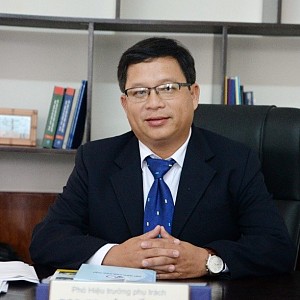
Assoc. Prof. Le Tuan Anh
Thu Dau Mot University
Thu Dau Mot University

PhD. Nguyen Quoc Cuong
Thu Dau Mot University
Thu Dau Mot University

PhD. Doan Ngoc Xuan
Thu Dau Mot University
Thu Dau Mot University

PhD. Nguyen Khoa Truong An
Thu Dau Mot University
Thu Dau Mot University

Assoc. Prof. Nguyen Thanh Binh
Thu Dau Mot University
Thu Dau Mot University

PhD. Le Thi Thuy Dung
Thu Dau Mot University
Thu Dau Mot University

PhD. Ngo Hong Diep
Thu Dau Mot University
Thu Dau Mot University

PhD. Nguyen Duc Dat Duc
Ho Chi Minh City University of Industry and Trade
Ho Chi Minh City University of Industry and Trade

Assoc. Prof. Nguyen Van Duc
Animal Husbandry Association of Vietnam
Animal Husbandry Association of Vietnam

PhD. Nguyen Thi Nhat Hang
Department of Education and Training of Binh Duong Province
Department of Education and Training of Binh Duong Province

PhD. Nguyen Thi Cam Le
Vietnam Aviation Academy
Vietnam Aviation Academy

PhD. Trần Hạnh Minh Phương
Thu Dau Mot University
Thu Dau Mot University
M.A. Pham Van Thinh
Thu Dau Mot University
Thu Dau Mot University

PhD. Nguyen Thi Lien Thuong
Thu Dau Mot University
Thu Dau Mot University
Prof. Le Quang Tri
Can Tho University
Can Tho University
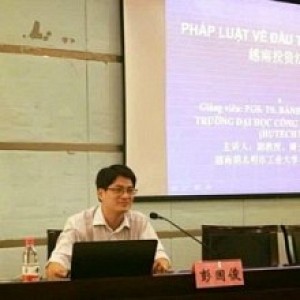
Prof. Banh Quoc Tuan
Thu Dau Mot University
Thu Dau Mot University