
Thu Dau Mot University Journal of Science

Search Papers
74 papers
AL-DOPED SILICENE NANORIBBONS IN AN EXTERNAL ELECTRIC FIELD
Hoang Van Ngoc
Silicene nanoribbons (SiNRs), as one-dimensional derivatives of silicene, exhibit highly anisotropic charge transport and hold significant promise for future nanoelectronics applications. In this work, we systematically investigate the structural stability and electronic properties of hydrogen-passivated SiNRs doped with aluminum using first-principles density functional theory calculations performed with the VASP package. Several possible Al substitutional doping configurations are examined, among which three representative geometries-top, valley, and 1-1 arrangements-are identified as energetically stable, while other configurations undergo severe structural distortions or bond breaking during structural relaxation. Formation energy analysis indicates that the 1-1 alloy configuration is the most thermodynamically favorable due to the symmetric distribution of Al dopants and a balanced local bonding environment. Electronic structure calculations reveal that pristine hydrogenated SiNRs are narrow-gap semiconductors with a band gap of approximately 0.325 eV, whereas all stable Al-doped systems undergo a transition to semi-metallic behavior. This electronic transformation originates from the incorporation of group-III aluminum atoms, which introduce hole carriers and shift the Fermi level, leading to enhanced electrical conductivity. In addition, the tunability of the electronic properties is further explored under a constant external electric field of 0.15 eV/Å, demonstrating additional control over the electronic response of the doped nanoribbons. These results highlight aluminum doping, in combination with external electric-field modulation, as an effective strategy for tailoring the electronic characteristics of silicene nanoribbons and suggest promising opportunities for the design of low-dimensional materials with controllable transport properties for advanced nanoelectronics and optoelectronic applications.
MODELING AND SIMULATION OF THE EFFECTS OF OPERATING PARAMETERS ON THE VOLTAGE CHARACTERISTICS OF PEM FUEL CELLS
Tran Xuan Dung
Proton exchange membrane fuel cells (PEMFCs) have attracted significant attention due to their high efficiency and low emission characteristics. However, the cell performance is strongly influenced by operating conditions and membrane properties, which are difficult to investigate comprehensively by experimental approaches alone. This study develops a complete electrochemical model of a single PEM fuel cell in the MATLAB – Simulink environment based on the voltage loss mechanisms including the Nernst potential, activation overpotential, ohmic losses, and concentration losses. The model is employed to quantitatively investigate the effects of operating temperature, hydrogen partial pressure, oxygen partial pressure, and membrane thickness on the polarization characteristics (I – V curves) of the PEMFC. Simulation results indicate that increasing temperature significantly enhances activation kinetics and improves cell voltage, while elevated oxygen partial pressure yields the most pronounced performance improvement among gas parameters. Conversely, increasing membrane thickness leads to higher ohmic losses and voltage degradation, especially in the high –current – density regime. The proposed model provides an effective numerical tool for teaching, system analysis, and preliminary optimization of PEMFC operating conditions.
MODALITY IN NEWS DISCOURSE ON NATURAL DISASTERS: A STUDY OF THE UNITED KINGDOM PRESS
Phan Tuan Ly, Hoang Ngoc Thanh Truc, Kieu Minh Khanh
This article investigates modality in UK news discourse on natural disasters, drawing on a corpus of 50 disaster-related news reports collected from five UK online newspapers. The corpus comprises 23,804 words, with an average length of 476 words per report. Methodologically, the study adopts a mixed-methods design, integrating qualitative descriptive analysis to identify, categorize, and interpret modal expressions in context with quantitative analysis to determine the frequency and distribution of modal resources across the corpus. All texts were annotated and statistically processed using UAM CorpusTool 6.2. The findings reveal that, out of 386 modal tokens, verbal modality overwhelmingly predominates (328 tokens; 85%), while nonverbal modality is comparatively limited (15%), suggesting hard-news reporting favors more determinate, less overtly subjective forms. Modal auxiliaries are the primary resource, led by will (70), can (50), could (43), and would (36). Adjectival modality is diverse but less frequent overall (28 items), with likely (12) most common, followed by possible (9) and unable/sure (7 each). Adverbial modality is rare, with only definitely (2) and maybe/possibly/perhaps (1 each). This paper advances applied linguistics theory and offers practical insights for improving journalistic communication in Vietnam.
THE IMPACT OF CHATGPT USE ON STUDENTS’ COGNITIVE AND BEHAVIORAL ENGAGEMENT IN HIGH SCHOOL PHYSICS LEARNING: A CASE STUDY AT VO MINH DUC HIGH SCHOOL
Nguyen Phuong Duy Anh
Abstract
This study examines how ChatGPT influences high school students’ cognitive and behavioral engagement in Physics learning, drawing on survey data from 251 students at Vo Minh Duc High School in Ho Chi Minh City. Although generative AI is increasingly adopted in education, little is known about how Vietnamese students use ChatGPT in a cognitively demanding subject like Physics-representing a notable research gapin a cognitively demanding subject like Physics, which represents a notable research gap. Using a mixed-methods design, the study explores how students employ ChatGPT, how they perceive its usefulness and reliability, and how its use shapes learning behaviors. Findings indicate that students commonly use ChatGPT as a self-study aid and perceive it as helpful for understanding complex concepts, yet many express concerns about accuracy and show signs of overreliance when using the tool without guidance. The study highlights the dual impact of ChatGPT-supporting learning while potentially reducing independent thinking-and contributes evidence potentially reducing independent thinking and contributes evidence to inform AI literacy development, teacher training, and pedagogical frameworks for responsible integration of generative AI in secondary education.
This study aims to identify the aspects of paragraphs that ChatGPT impacts and to explore students' perceptions of this tool. The study used both quantitative and qualitative methods, with 72 fourth-year students majoring in English Language at Thu Dau Mot University participating. The results indicated that ChatGPT had a strong impact on many aspects of the students' paragraphs, including vocabulary, grammar, coherence, organization of ideas, mechanics, and writing style. Students had a positive perception of ChatGPT, considering it a useful tool that saved time, suggested writing styles, and helped improve the structure of their texts. Additionally, feedback from ChatGPT boosted confidence and helped them gain a better understanding of the topics. However, the tool also had some limitations. Concerns were raised about plagiarism, the accuracy of information, and the reduced interaction between teachers and students. Furthermore, excessive reliance on the tool could impact students' critical thinking and creativity, as well as raise concerns about privacy and information security. This study provides practical values for both teachers and students while contributing to the integration of ChatGPT into the learning process to enhance academic performance.
DEVELOPMENT AND PERFORMANCE ANALYSIS OF ULTRA-THIN III-V SOLAR CELLS USING INDIUM PHOSPHIDE EPITAXIAL WAFERS
Nguyễn Thị Huệ
This study explores the fabrication and performance analysis of ultra-thin III-V solar cells using indium phosphide (InP) epitaxial wafers through two approaches: substrate thinning via lapping and thermocompression bonding. The thinning method reduced the substrate thickness to 160 μm, while the bonding process achieved a final thickness of 0.9 μm. Photoluminescence (PL), internal quantum efficiency (IQE), and external quantum efficiency (EQE) measurements were conducted to evaluate the devices. Results showed that the thinned solar cells exhibited poor photovoltaic characteristics due to suboptimal n-type metal contacts and excessive electron-hole recombination, with no observable light-induced current at zero bias. Backside solar cells fabricated through bonding showed better performance, with improved IQE and EQE due to enhanced light penetration and reduced reflectance from an anti-reflection coating. PL analysis revealed a distinct 1280 nm peak for the backside structure, indicating better light interaction with the active region. Despite these advances, both methods demonstrated low open-circuit current and power efficiency, underscoring the need for further optimization to achieve commercially viable III-V solar cells.
A STABILIZED GENETIC ALGORITHM FOR EVALUATING THE ECONOMIC VIABILITY OF DYNAMIC DISTRIBUTION NETWORK RECONFIGURATION
Pham Hong Thanh
High penetration of photovoltaic (PV) sources causes volatility in distribution networks, challenging conventional operational strategies. This study introduces a multi-objective optimization framework using a Stabilized Genetic Algorithm (SGA) that co-optimizes daily energy losses and switching asset depreciation over typical and extreme loading scenarios. Contradicting common assumptions, results show that zero switching operations, i.e., maintaining a robust static configuration - yield optimal economic outcomes for the IEEE 33-bus test system, regardless of switching cost magnitude. The work formalizes an economic viability threshold for DDNR, providing network operators with a quantitative tool to assess when dynamic reconfiguration is truly justified. Results reveal that for the IEEE 33-bus system with PV integration, a robust static configuration remains economically optimal regardless of switching cost magnitude. The primary contribution is the formalization of an "Economic Viability Threshold" framework, providing DNOs a quantitative tool to determine when DDNR is truly justified. This framework provides a crucial, data-driven tool for network operators to prevent unnecessary investment in complex control schemes, ensuring that grid modernization efforts are both technically sound and economically viable
The administrative merger in Southeast Vietnam has fundamentally reshaped regional governance, spatial configurations, and development priorities, creating urgent requirements for a more integrated approach to science and technology (S&T) human resource development. To assess the implications of this restructuring, the study employs a mixed-methods design that combines institutional diagnostics, comparative policy analysis, and quantitative evaluation of workforce indicators. Empirical data are sourced from national statistical agencies, ministerial datasets, provincial development reports, and international benchmarking studies. The analysis focuses on the S&T workforce within the newly configured administrative units of expanded Ho Chi Minh City, Dong Nai, and Tay Ninh, examining competency structures, spatial distribution, coordination mechanisms, and post-merger system dynamics. The findings reveal significant disparities in qualification profiles, weak cross-provincial linkages in training and research, and limited alignment between workforce planning and emergent regional development trajectories. Despite these constraints, the merger presents opportunities to consolidate training capacity, strengthen innovation networks, and enhance talent mobility. The study argues for a coordinated regional S&T human resource strategy supported by institutional harmonization, a functionally differentiated training system, AI-enabled workforce planning tools, and expanded regional–national–international cooperation to advance a knowledge-based, climate-adaptive development pathway for Southeast Vietnam.
This study aims to provide an overview of the global research landscape related to forensic linguistics. Forensic linguistics is defined as the application of linguistic knowledge within legal contexts, offer unique and powerful tools to assist in resolving issues related to court proceedings. To achieve the research objectives, a thematic literature review method combined with statistical techniques was employed to analyze 34 relevant publications sourced from the Scopus database. The study highlights key aspects such as reputable authors, outstanding works, annual publication trends, and the core content of the published books. The findings provide a global overview of forensic linguistics and reveal four trends: discourse analysis in forensic contexts; corpus-based approaches to legal investigations; language-as-evidence with practical implications for courts; and additional aspects of legal language. Consequently, near-term directions to improve Vietnam’s forensic linguistics scholarship are proposed. The findings not only offer a comprehensive view of the current state of forensic linguistics research worldwide but also facilitate access for scholars in Vietnam to engage with and develop relevant studies in this field. This opens new avenues for research and contributes to enhancing the quality of forensic linguistics scholarship in Vietnam in the future.
CASE STUDY: APPLYING INFORMATION TECHNOLOGY IN TEACHING FIRST GRADE MATHEMATICS TO DEVELOP COMPREHENSIVE COMPETENCIES FOR PRIMARY SCHOOL STUDENTS
Chu Thi Ngoc Diep, Tran Thi Yen Giang, Pham Quynh Giang
This study evaluated the effectiveness of Information Technology (IT) applications in teaching Grade 1 mathematics to develop students' comprehensive competencies. Tools such as Canva, Twinkl, and online educational games were integrated into lessons to create an engaging learning environment and to enhance students' skills. Significant improvements were observed: students’ ability to sequence numbers increased from 33% to 83.3%, number comparison skills improved from 31% to 90.5%, and effective teamwork skills rose from 40% to 95.2%. Additionally, self-directed learning levels increased from 24% to 85.7%, and creativity in problem-solving grew from 33% to 80.9%. These results underscore the positive impact of IT in developing primary students' academic and collaborative skills.
PERSULFATE ACTIVATION-INDUCED DEGRADATION OF AQUEOUS METHYL ORANGE CATALYZED BY CuO/MnO2 MIXED METAL OXIDES
Do Huynh Dong Thu, Ngo Minh Hieu, Nguyen Le Bach Diep, Huynh Thi Nha Truc, Le Nguyen Hai Hung, Nguyen Trung Hieu
MnO2 has the advantage of being environmentally friendly and abundant in soil, but its ability to activate persulfate is poor. This study combines MnO2 with CuO into a mixed metal oxide through a one-step reaction to increase the persulfate activation efficiency of the obtained product. These mixed oxides were synthesized by alkalization of a solution containing ions of two metals and then calcined at 300°C. The obtained oxide catalysts were characterized by methods such as FTIR, SEM, BET analysis, and zeta potential. The adsorption and decomposition of methyl orange (MO) were experimentally conducted in batch form using the above mixed metal oxides as adsorbents or persulfate activators. The results showed that the mixed oxides exhibited characteristic peaks in the FTIR spectrum, and were in the form of nanorods (CuO) and amorphous small particles (3:1CuO/MnO2). The CuO catalyst has a specific surface area of 20.23m²/g and pore sizes ranging from 20 to 30Å. The zeta potentials of both CuO and MO were highly negative, e.g., -46.5mV and -24.1mV, respectively. The adsorption capacities of MO onto the mixed oxides were quite low (~13.5%) and decreased gradually as the CuO content decreased. However, the persulfate activation capacity of the mixed oxides for MO decomposition was quite high, e.g., that of 3:1CuO/MnO2 for 40mg/L MO was 74.1%. In addition, the decomposition of MO almost followed pseudo-second-order reaction kinetics.
LOGIC GATE IC TESTER USING ARDUINO
Thân Đức Trường
In electronic circuits that use various integrated circuits (ICs), ICs may malfunction while assembled, used, and repaired. There are numerous ways to verify that ICs are operating, such as by measuring basic current and voltage with a VOM meter. However, many sophisticated operations are hard to measure and test, and the accuracy of the tests is low and takes a long time. Thus, it is crucial to have a tool that can rapidly determine whether or not integrated circuits are operating correctly. The purpose of this article is to develop a tool for testing the functionality of logic gate ICs. By modeling its properties using the truth table of the specific IC, the device employs an Arduino to verify the condition of the gates in a logic gate IC. After successful simulation and testing, they are assembled to form a final device.
INFLUENCE OF PRESSURE ON STRUCTURAL PROPERTIES OF AG: A MOLECULAR DYNAMICS SIMULATION
Mai Van Dung, Truong Duc Quynh
In this study, molecular dynamics simulations were employed to investigate the influence of pressure on the structural properties of silver (Ag) at 300K. The results reveal that an increase in pressure leads to a reduction in nearest-neighbor distance, a promotion of local ordering, and a transition from a largely disordered state to a predominantly face-centered cubic FCC crystalline structure. At intermediate pressures, both hexagonal close-packed HCP and body-centered cubic BCC phases are observed; however, these phases diminish as pressure rises, with FCC becoming the prevailing phase at higher pressures. These findings demonstrate that pressure is a key factor in driving phase transitions and improving crystallinity in metallic systems.
OVERVIEW OF AI APPLICATIONS IN THE FIELD EDUCATION IN VIETNAM
Ngo Thi Ngoc Diu, Mai Thi Hao, Nguyen Thanh Tung
The application of Artificial Intelligence (AI) in education is rapidly transforming the teaching and learning landscape in Vietnam. AI technology is being integrated into various educational platforms to provide personalized learning experiences, support educators, and enhance the overall efficiency of the education system. In Vietnam, AI is utilized to develop adaptive learning programs, intelligent tutoring systems, and automated administrative processes. AI-powered tools such as virtual teaching assistants and chatbots are also being employed to offer real-time support and feedback to students. Furthermore, AI-driven data analytics is used to monitor and improve student performance and engagement levels. AI assists teachers in automating grading, reducing assessment time, and enabling speech recognition systems to evaluate students’ English-speaking skills. These innovations contribute to a more dynamic, interactive, and inclusive educational environment. However, challenges such as data privacy concerns, the digital divide, and the demand for a skilled workforce remain significant. Addressing these issues is crucial for the sustainable integration of AI into Vietnam’s education sector.
CHINA'S ENERGY DIPLOMACY POLICY TOWARDS SOUTHEAST ASIA IN THE EARLY 21ST CENTURY
Tran Thi Nhung, Nguyen Minh Man
In the early 21st century, China has increasingly recognized the critical importance of securing its national energy supply. As the demand for energy continues to rise, China has implemented an assertive and comprehensive energy diplomacy strategy on a global scale, with Southeast Asia emerging as a key focus. The region holds a geo-strategic significance, rich in vital natural resources such as oil, natural gas, and other minerals, making it a strategic partner in China’s broader energy security objectives. This policy, driven by China’s growing energy needs and its desire to diversify energy sources, has far-reaching impacts on Southeast Asia, influencing various sectors including economics, politics, and national security. China's energy diplomacy in Southeast Asia is not only an economic endeavor but also a means of strengthening political alliances and asserting its regional influence. This paper explores the nuances of China's energy diplomacy policy towards Southeast Asia in the early 21st century, highlighting its strategic objectives, the mechanisms employed, and the broader implications for regional and global security dynamics.
DESIGNING DIGITAL GAMES FOR USE IN SECOND-GRADE MATHEMATICS EDUCATION
Ngo Hung Vuong, Nguyen Thi Quan Phung, Huynh Minh Thu
Digital transformation in education is an inevitable trend and has been increasingly promoted in Vietnam over the past few years. The application of digital games in mathematics instruction not only alleviates students’ stress and pressure but also fosters engagement and motivation in the learning process. This paper clarifies key concepts related to digital games as well as presents a set of principles and a design process for digital games using the web-based application Pink Cat Games. Based on a proposed four-step process, the paper illustrates the design of a digital game integrated with the mathematics curriculum for second grade. The findings of this research are to provide practical guidance for teachers in designing digital educational games, thereby augmenting the effectiveness of their pedagogical practices.
THE APPLYING OF KWL STRATEGY IN TEACHING WAVE OPTICS TO FIRST-YEAR ELECTRICAL ENGINEERING STUDENTS
Nguyen Phuong Duy Anh
In this study, the Wave Optics chapter, which is part of the General Physics A2 course for first-year Electrical Engineering students at Thu Dau Mot university, will be taught using the KWL (Know-Want to know-Learned) strategy. Creating a three-step KWL instructional process for four major Wave Optics chapter topics, creating learning scenarios that use the KWL strategy, and evaluating the technique's effects on students' critical thinking, active learning, and knowledge retention are all parts of the research objectives. Both qualitative and quantitative data analysis techniques are used in this study. Two classes were chosen at random: the experimental group (49 students) was taught using the KWL strategy, while the control group (49 students) followed a traditional instructional method. Data were collected through test scores, post-lesson surveys, and classroom observations. The findings show that the experimental group achieved an average score of 7.31, higher than the control group’s 6.13. Post-lesson surveys indicated that all 15 evaluation criteria reached a "Good" level, with mean scores ranging from 4.24 to 4.54. Students responded positively, expressing enjoyment in being able to ask questions, synthesize information, and engage more deeply in learning. The study confirms that the KWL technique is an effective teaching method that enhances instructional quality and promotes students’ active learning skills. This strategy holds potential for broader application across other STEM subjects to maximize learner-centered knowledge acquisition.
Mathematics education contributes to the formation and development of students' key qualities, general abilities and mathematical abilities. In particular, the ability to solve mathematical problems is one of the core elements of mathematical ability, helping students develop key knowledge and skills and creating opportunities for students to experience and apply practical mathematics. The study proposes some measures to foster students' mathematical problem-solving capacity in teaching the topic "Algebra" (Math 10). Teaching practice shows that the proposed measures are appropriate and feasible, initially contributing to improving the quality of teaching and meeting the goals of educational innovation specified in the General Education Program math pass 2018.
EXISTENCE AND UNIQUENESS RESULTS FOR PANTOGRAPH DIFFERENTIAL EQUATIONS CONNECTED TO RIESZ-CAPUTO FRACTIONAL DERIVATIVE WITH A WEAKLY SINGULAR SOURCE
Nguyen Minh Dien
Fractional differential equations are an important branch of mathematics and have been considered under many different fractional derivatives. Among them, differential equations with Riesz-Caputo fractional derivatives have also attracted the attention of many researchers. Studying differential equations that may have singularity coefficients is more difficult than usual because they require several complex techniques. In the present paper, we consider a nonlinear pantograph differential equation where the source function may have a temporal singularity. Using the contraction principle, we prove that the problem has a unique solution under some appropriate conditions. Furthermore, we define a new type of Ulam-Hyers stability and show the main equation of the problem is stable in the mentioned sense. To obtain the main results, a new inequality is proposed and proved. Some examples are constructed to confirm the validity and feasibility of the theoretical results.
STUDY OF THE STRUCTURAL AND ELECTRONIC PROPERTIES OF SULFUR DOPING STANENE NANORIBBON: A CASE DFT
Nguyen Thanh Tung
The structural and electronic properties of sulfur-doped armchair stanene nanoribbons (ASnNRs) have been investigated using Density Functional Theory (DFT). The diverse structural and electronic characteristics induced by the substitution of sulfur atoms were comprehensively analyzed through first-principles calculations, including formation energy, optimized structural parameters, projected density of states (PDOS), and spatial charge density distribution. Various doping configurations were considered by replacing Sn atoms with S at different concentrations and atomic positions, resulting in characteristic doping types such as single-atom doping (top-1S, valley-1S), two-atom doping (ortho, meta, para), and full 1:1 substitution with a 6Sn–6S structure. The results reveal significant changes in the bandgap, increasing slightly from 0.26eV in the pristine state to approximately 0.34eV in the meta configuration, moderately decreasing to 0.15eV in the 100% substitution case, and sharply decreasing in the other configurations. Moreover, most sulfur-doped configurations exhibit non-magnetic behavior similar to pristine ASnNRs, while strong magnetism emerges only in the fully substituted 100% case. These findings demonstrate that sulfur doping can fundamentally modify the electronic and magnetic properties of the material, highlighting its potential application in future spintronic devices.
STRATEGIC TRANSFORMATION: ANALYZING SOUTH KOREA’S NATIONAL SECURITY STRATEGY UNDER PRESIDENT YOON SUK-YEOL
Le Hoang Kiet, Tran Duc Thang
This article analyzes South Korea’s new National Security Strategy (NSS) released in June 2023 under President Yoon Suk-yeol. The study situates the NSS in the context of rapidly changing regional and global geopolitics, examining the factors driving the emergence of this new strategy. The article primarily uses secondary document analysis methods to identify the content of the NSS; the research clarifies significant changes in South Korea’s approach to national, regional, and global security issues. The research results not only provide insights into South Korea’s national security strategy but also contribute to a better understanding of the geopolitical dynamics reshaping the regional order.
DECODING ASIAN FINANCIAL COMPLEXITY: A SYNERGY OF MACHINE LEARNING, CULTURAL HETEROGENEITY, AND ESG INTEGRATION IN ECONOMIC-STATISTICAL FRONTIERS
Tran Vo Hoa Tien, Phan Khanh Duy
Asia’s financial ecosystems, while distinct from Western paradigms, remain underexplored. This study integrates cultural finance, regime-switching machine learning, and ESG asymmetries into a novel analytical framework tailored to Asia’s unique financial architecture. We develop three models: a Hybrid LSTM-GARCH for crisis forecasting, a Bayesian Structural Equation Model capturing informal institutional dynamics, and a machine learning-enhanced Difference-in-Differences model to assess ESG impacts. Theoretically, we propose the Cultural-Statistical Nexus Framework, embedding sociocultural variables into predictive finance, the concept of institutional plasticity to explain regulatory divergence, and ESG Arbitrage Theory to highlight sustainability’s dual role as risk mitigator and speculative signal. Empirically, Confucian Risk Aversion reduces corporate leverage by 15 percent, ESG adoption lowers systemic risk but increases greenwashing, and hybrid models outperform conventional tools in FX crisis prediction. Practical implications include cultural-risk-adjusted capital buffers, AI-based liquidity tools, and region-specific ESG strategies, advancing a globally inclusive paradigm of financial science.
DEVELOPMENT OF LABOR STRUCTURE IN BINH DUONG PROVINCE SUSTAINABILITY – CURRENT STATUS AND CHALLENGES
Le Tuan Anh, Vương Quốc Khanh
Binh Duong Province is one of the regions with very significant population and labor force growth. The development and transformation of the labor structure have positively contributed to the province's labor productivity growth and economic growth, while at the same time contributing to the development of Vietnam in general. This paper combines descriptive statistics, comparisons, contrasts, and trend assessments to identify the characteristics, changes, and transitions in the labor structure of Binh Duong Province from 2015 to 2023. The results show a sustained increase in population and labor force; the labor structure has moved significantly away from the agricultural sector; demand for technical and assembly workers increased sharply; the number of service and sales workers steadily increased and became mainstream. The challenge for Binh Duong Province is that while the group of highly skilled workers is growing, the increase is not evenly distributed; the group of highly skilled professionals is growing rapidly while the group of intermediate-level professionals and secretaries is declining due to replacement by technology.
UTILIZATION OF HYDROXYAPATITE/CRAB SHELL CHITOSAN COMPOSITES IN REMOVAL OF AQUEOUS CONGO RED: INFLUENCE FACTORS, ADSORPTION KINETICS AND ISOTHERM
Nguyen Trung Hieu, Ha Tuan Anh
Due to the limitations of traditional adsorbents for dyeing wastewater, this study combined natural adsorbent (CS, chitosan) and hydroxyapatite (HAp) to form a composite for enhancing the adsorption of aqueous Congo red (CR). The chitosan was prepared from crab shells (Somanniathelphusa sinensis) with a deacetylation degree of about 89%. The HAp and HAp-CS composites were prepared by precipitation in high pH (~10) with the help of concentrated ammonia water (25%). The crab shell chitosan and chitin were characterized by the FTIR method, and the HAp and HAp-CS composites were analyzed using the SEM method. The CR adsorption experiments were carried out in batch form and sampled once for each condition. The results showed that the characteristic peaks in the FTIR spectrum confirmed the success of the crab shell chitosan preparation. The HAp and HAp-CS composites possess porous structures and seem to have a high surface area. The CR adsorptions reached optimal after 5-15 min. contacting, the adsorption efficiency tended to decrease with the initial concentration of CR and increase with the adsorbent dosage. The initial pH of the solution affected the adsorption efficiency for the 70%HAp-CS and 30%HAp-CS composites but had almost no effect on the adsorption capacity of 0%HAp-CS and 50%HAp-CS. The 50%HAp-CS composite had the best adsorption capacity among the synthesized composites (qmax = 769.2mg/g). The adsorption isotherm and kinetics best fit the Langmuir isotherm and pseudo-second-order kinetics model.
Publication Information
Publisher
Thu Dau Mot University, Viet Nam
Editor-in-Chief

Assoc. Prof. Nguyen Van Hiep
Thu Dau Mot University
Thu Dau Mot University
Editorial Board
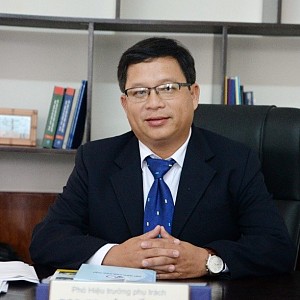
Assoc. Prof. Le Tuan Anh
Thu Dau Mot University
Thu Dau Mot University

PhD. Nguyen Quoc Cuong
Thu Dau Mot University
Thu Dau Mot University

PhD. Doan Ngoc Xuan
Thu Dau Mot University
Thu Dau Mot University

PhD. Nguyen Khoa Truong An
Thu Dau Mot University
Thu Dau Mot University

Assoc. Prof. Nguyen Thanh Binh
Thu Dau Mot University
Thu Dau Mot University

PhD. Le Thi Thuy Dung
Thu Dau Mot University
Thu Dau Mot University

PhD. Ngo Hong Diep
Thu Dau Mot University
Thu Dau Mot University

PhD. Nguyen Duc Dat Duc
Ho Chi Minh City University of Industry and Trade
Ho Chi Minh City University of Industry and Trade

Assoc. Prof. Nguyen Van Duc
Animal Husbandry Association of Vietnam
Animal Husbandry Association of Vietnam

PhD. Nguyen Thi Nhat Hang
Department of Education and Training of Binh Duong Province
Department of Education and Training of Binh Duong Province

PhD. Nguyen Thi Cam Le
Vietnam Aviation Academy
Vietnam Aviation Academy

PhD. Trần Hạnh Minh Phương
Thu Dau Mot University
Thu Dau Mot University
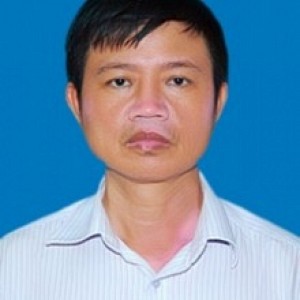
M.A. Pham Van Thinh
Thu Dau Mot University
Thu Dau Mot University

PhD. Nguyen Thi Lien Thuong
Thu Dau Mot University
Thu Dau Mot University
Prof. Le Quang Tri
Can Tho University
Can Tho University
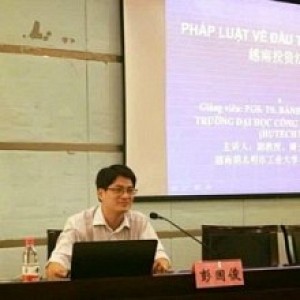
Prof. Banh Quoc Tuan
Thu Dau Mot University
Thu Dau Mot University