
Thu Dau Mot University Journal of Science

Search Papers
44 papers
This study evaluates the effect of Calcium carbonate (CaCO₃) on the mechanical properties and structure of SEBS-compatible PA6/ABS composites. Composites consisting of 50/50 PA6/ABS, 5% SEBS, and 0–20% by weight CaCO₃ were fabricated by injection molding. Tensile and flexural strengths were determined according to ISO 527-2:2012 and ISO 178:2019, respectively. The tensile strength increased with filler content, peaking at 15 wt% CaCO₃ (24.72 MPa), while flexural strength reached a maximum at 10 wt% (32.51 N/mm2). FESEM revealed a uniform dispersion of CaCO₃ particles and strong interfacial adhesion at optimal filler contents, whereas agglomeration and microvoids occurred at higher loadings. The results demonstrate that moderate CaCO₃ addition enhances stiffness and strength through effective stress transfer, while excessive loading induces brittleness due to poor interfacial bonding. This study contributes to the optimization of hybrid polymer composites for structural, automotive and precision engineering
AL-DOPED SILICENE NANORIBBONS IN AN EXTERNAL ELECTRIC FIELD
Hoang Van Ngoc
Silicene nanoribbons (SiNRs), as one-dimensional derivatives of silicene, exhibit highly anisotropic charge transport and hold significant promise for future nanoelectronics applications. In this work, we systematically investigate the structural stability and electronic properties of hydrogen-passivated SiNRs doped with aluminum using first-principles density functional theory calculations performed with the VASP package. Several possible Al substitutional doping configurations are examined, among which three representative geometries-top, valley, and 1-1 arrangements-are identified as energetically stable, while other configurations undergo severe structural distortions or bond breaking during structural relaxation. Formation energy analysis indicates that the 1-1 alloy configuration is the most thermodynamically favorable due to the symmetric distribution of Al dopants and a balanced local bonding environment. Electronic structure calculations reveal that pristine hydrogenated SiNRs are narrow-gap semiconductors with a band gap of approximately 0.325 eV, whereas all stable Al-doped systems undergo a transition to semi-metallic behavior. This electronic transformation originates from the incorporation of group-III aluminum atoms, which introduce hole carriers and shift the Fermi level, leading to enhanced electrical conductivity. In addition, the tunability of the electronic properties is further explored under a constant external electric field of 0.15 eV/Å, demonstrating additional control over the electronic response of the doped nanoribbons. These results highlight aluminum doping, in combination with external electric-field modulation, as an effective strategy for tailoring the electronic characteristics of silicene nanoribbons and suggest promising opportunities for the design of low-dimensional materials with controllable transport properties for advanced nanoelectronics and optoelectronic applications.
This mixed-methods study examines how fourth-year English majors at Thu Dau Mot University engage in Zalo-based classroom discussions. Using a convergent parallel design, data were collected through a questionnaire (N = 112) and semi-structured interviews (N = 8) to explore behavioral, cognitive, and emotional dimensions of engagement. Findings reveal that Zalo is primarily used for task coordination and passive monitoring, with limited proactive discussion. Students value its functions for planning and language accuracy but perceive discussions as low in intellectual depth. Emotionally, Zalo fosters social connection and comfort in interacting with peers and lecturers but also introduces pressure to keep up and reluctance to express dissent. The study highlights Zalo’s dual role as a facilitator of convenience and a constraint on deeper learning, suggesting the need for intentional instructional design to promote critical thinking and inclusive dialogue.
Undergraduate research is widely recognized as a meaningful practice that develops students’ critical thinking, problem‑solving, and science identity, yet student engagement remains uneven due to multiple factors. To address this issue, this mixed-methods study examines undergraduate students’ engagement in research at a Vietnamese university, focusing on their attitudes, perceived support, and intentions to participate. Survey data (N = 164) and interviews (N = 8) reveal a clear divide between students’ positive views of research outcomes and their ambivalence toward the research process. Although students believe lecturers are supportive, they report low comfort in seeking help, limited peer encouragement, and little awareness of institutional research policies. Students express moderate intention to conduct a research project but show strong reluctance toward presenting or publishing their work. The qualitative findings highlight psychological barriers, unclear pathways, and an outcome-oriented mindset. The study argues that current support structures are passive and insufficient. Institutions should implement more visible, structured mentorship to strengthen students’ confidence and foster a more active undergraduate research culture.
This study aims to identify the aspects of paragraphs that ChatGPT impacts and to explore students' perceptions of this tool. The study used both quantitative and qualitative methods, with 72 fourth-year students majoring in English Language at Thu Dau Mot University participating. The results indicated that ChatGPT had a strong impact on many aspects of the students' paragraphs, including vocabulary, grammar, coherence, organization of ideas, mechanics, and writing style. Students had a positive perception of ChatGPT, considering it a useful tool that saved time, suggested writing styles, and helped improve the structure of their texts. Additionally, feedback from ChatGPT boosted confidence and helped them gain a better understanding of the topics. However, the tool also had some limitations. Concerns were raised about plagiarism, the accuracy of information, and the reduced interaction between teachers and students. Furthermore, excessive reliance on the tool could impact students' critical thinking and creativity, as well as raise concerns about privacy and information security. This study provides practical values for both teachers and students while contributing to the integration of ChatGPT into the learning process to enhance academic performance.
DEVELOPMENT AND PERFORMANCE ANALYSIS OF ULTRA-THIN III-V SOLAR CELLS USING INDIUM PHOSPHIDE EPITAXIAL WAFERS
Nguyễn Thị Huệ
This study explores the fabrication and performance analysis of ultra-thin III-V solar cells using indium phosphide (InP) epitaxial wafers through two approaches: substrate thinning via lapping and thermocompression bonding. The thinning method reduced the substrate thickness to 160 μm, while the bonding process achieved a final thickness of 0.9 μm. Photoluminescence (PL), internal quantum efficiency (IQE), and external quantum efficiency (EQE) measurements were conducted to evaluate the devices. Results showed that the thinned solar cells exhibited poor photovoltaic characteristics due to suboptimal n-type metal contacts and excessive electron-hole recombination, with no observable light-induced current at zero bias. Backside solar cells fabricated through bonding showed better performance, with improved IQE and EQE due to enhanced light penetration and reduced reflectance from an anti-reflection coating. PL analysis revealed a distinct 1280 nm peak for the backside structure, indicating better light interaction with the active region. Despite these advances, both methods demonstrated low open-circuit current and power efficiency, underscoring the need for further optimization to achieve commercially viable III-V solar cells.
The administrative merger in Southeast Vietnam has fundamentally reshaped regional governance, spatial configurations, and development priorities, creating urgent requirements for a more integrated approach to science and technology (S&T) human resource development. To assess the implications of this restructuring, the study employs a mixed-methods design that combines institutional diagnostics, comparative policy analysis, and quantitative evaluation of workforce indicators. Empirical data are sourced from national statistical agencies, ministerial datasets, provincial development reports, and international benchmarking studies. The analysis focuses on the S&T workforce within the newly configured administrative units of expanded Ho Chi Minh City, Dong Nai, and Tay Ninh, examining competency structures, spatial distribution, coordination mechanisms, and post-merger system dynamics. The findings reveal significant disparities in qualification profiles, weak cross-provincial linkages in training and research, and limited alignment between workforce planning and emergent regional development trajectories. Despite these constraints, the merger presents opportunities to consolidate training capacity, strengthen innovation networks, and enhance talent mobility. The study argues for a coordinated regional S&T human resource strategy supported by institutional harmonization, a functionally differentiated training system, AI-enabled workforce planning tools, and expanded regional–national–international cooperation to advance a knowledge-based, climate-adaptive development pathway for Southeast Vietnam.
ELECTRICITY DEMAND FORECASTING FOR VIETNAM’S DATA CENTER SECTOR: IMPLICATIONS FOR SUSTAINABLE ENERGY PLANNING
Nguyễn Bá Thành
This study forecasts electricity demand for Vietnam’s data center sector through 2030 in the context of rapid digitalization and the accelerating adoption of Artificial Intelligence (AI), both of which are expected to exert significant pressure on national power infrastructure. Using a baseline IT load of 524.7 MW in 2025 derived from industry market reports, the analysis employs a scenario-based approach with two growth trajectories: a high-growth case using a 16% CAGR and a market-aligned case using a 12.61% CAGR. Applying a Power Usage Effectiveness (PUE) value of 1.4, consistent with Vietnam’s green data center standards, projected electricity demand increases from 734.6 MW in 2025 to 1,542.8 MW under the high-growth scenario and 1,330.6 MW under the moderate-growth scenario by 2030, corresponding to increases of 110% and 81%, respectively. These findings indicate that the expansion of digital infrastructure will require proactive power system planning. The study highlights the importance of integrating renewable energy through Direct Power Purchase Agreements (DPPAs) and implementing stringent energy-efficiency standards to ensure the sustainable development of Vietnam’s data center ecosystem.
Non-English Majors’ Perceptions of Ethical Use and Plagiarism Risks of AI Tools in English Academic Writing: A Study at Thu Dau Mot University
Ho Trung Hau, Le Thi My Duyen, Hoang Doan Gia Han
This study explores non-English major students’ perceptions of the ethical use and plagiarism risks associated with Artificial Intelligence (AI) tools in academic writing at Thu Dau Mot University. As AI technologies become increasingly integrated into higher education, concerns about academic integrity, authorship, and originality have intensified. Using a convergent mixed-methods design, data were collected from 108 students through questionnaires and from six participants via semi-structured interviews. Quantitative findings revealed that a majority of students acknowledged the importance of ethical AI use and expressed support for clearer institutional guidelines and teacher training on responsible AI integration. However, uncertainty persisted regarding the ethical boundaries between legitimate assistance and academic misconduct. Qualitative data reinforced these findings, highlighting students’ awareness of AI’s dual role in enhancing writing skills and posing plagiarism risks, particularly through diminished creativity and loss of personal voice. The study underscores the need for localized policies, updated plagiarism regulations, and pedagogical strategies to guide responsible AI use in EFL writing contexts.
ARTIFICIAL INTELLIGENCE IN EFL TEACHING: TEACHERS’ READINESS AND ADOPTION INTENTIONS IN THU DAU MOT CITY, BINH DUONG PROVINCE
Tran Thi Le Thu
AI is transforming English as a Foreign Language (EFL) education by facilitating personalized learning and intelligent tutoring globally. This study examines the readiness and intentions of educators in Thu Dau Mot City, Vietnam, to adopt AI in their EFL classrooms. Through surveys and interviews with 102 teachers and lecturers, results show a high perceived usefulness and intention to integrate AI (M = 4.10). However, challenges remain with moderate ease of use (M = 3.92), low confidence in AI tools (M = 3.68), and limited institutional support (M = 3.45). Qualitative insights indicate a need for systematic training and collaborative environments. The findings emphasize that successful AI adoption relies on institutional investment in training and infrastructure. Without this support, the gap between enthusiasm and actual implementation may hinder AI's transformative potential. Policymakers and educational leaders need to create structured frameworks for effective AI integration in EFL classrooms.
AN INVESTIGATION INTO DIFFICULTIES IN READING AND WRITING ENGLISH AS A FOREIGN LANGUAGE
Nguyen Phuong Duy Anh
The study investigates the challenges faced by Food Technology students at Thu Dau Mot University in mastering English reading and writing skills. The findings reveal that limited vocabulary and grammar knowledge significantly hinder students' proficiency in these areas. For reading, students struggle with insufficient vocabulary, poor comprehension strategies, and a lack of background knowledge, making it difficult to understand texts, identify main ideas, and interpret references. Similarly, writing is affected by challenges such as improper grammar usage, insufficient vocabulary, awkward phrasing, and issues with sentence construction. Mistakes in punctuation, spelling, and word order further reduce the quality of written work, limiting students’ ability to express ideas clearly and cohesively. These difficulties stem from a combination of linguistic limitations, lack of exposure to English, and insufficient support in structured learning strategies. The study highlights the urgent need for targeted interventions to address these challenges. Proposed solutions include vocabulary enhancement exercises, grammar-focused sessions, structured reading techniques, and writing workshops. Additionally, integrating modern tools like AI-powered learning applications can provide personalized feedback and improve overall proficiency. By adopting these strategies, students can gradually overcome their difficulties, enhancing their reading and writing skills to meet both academic and professional demands. The findings emphasize the importance of consistent practice and tailored learning approaches in language development.
INFLUENCE OF PRESSURE ON STRUCTURAL PROPERTIES OF AG: A MOLECULAR DYNAMICS SIMULATION
Mai Van Dung, Truong Duc Quynh
In this study, molecular dynamics simulations were employed to investigate the influence of pressure on the structural properties of silver (Ag) at 300K. The results reveal that an increase in pressure leads to a reduction in nearest-neighbor distance, a promotion of local ordering, and a transition from a largely disordered state to a predominantly face-centered cubic FCC crystalline structure. At intermediate pressures, both hexagonal close-packed HCP and body-centered cubic BCC phases are observed; however, these phases diminish as pressure rises, with FCC becoming the prevailing phase at higher pressures. These findings demonstrate that pressure is a key factor in driving phase transitions and improving crystallinity in metallic systems.
STUDENTS’ MOTIVATION AND CHALLENGES WHEN LEARNING ENGLISH WITH NATIVE AND NON-NATIVE ENGLISH-SPEAKING TEACHERS: A CASE STUDY AT THU DAU MOT UNIVERSITY
Tran Anh Vu, Duong Thi Hai Yen
This study explores the motivation and challenges faced by English majored students at Thu Dau Mot University when learning with native English-speaking teachers (NESTs) and non-native English-speaking teachers (NNESTs). Using a quantitative approach, a structured questionnaire was distributed to 50 participants to gather data on their experiences, preferences, and perceptions. The findings showed that students were positively motivated to learn English with both NESTs and NNESTs, although the sources of motivation differed. While NESTs are appreciated for their native pronunciation, interactive teaching methods, and cultural authenticity, NNESTs are valued for their clear explanations, shared language background, and supportive attitudes. The study also highlights challenges associated with each teacher group. It was found that students struggled with understanding native accents and feel intimidated by the fluency of NESTs, while they experienced limited cultural exposure and pronunciation variation with NNESTs. The results suggest that a balanced and inclusive approach to English language teaching - drawing from the advantages of both teacher types - can enhance the quality of language education in Vietnamese contexts.
OVERCOMING BARRIERS IN ENGLISH COMMUNICATION: INSIGHTS FROM NON-ENGLISH MAJORS AT THU DAU MOT UNIVERSITY
Nguyễn Thị Thanh Thương, Hồ Thị Trà My, Lê Đào Minh Thư, Hồ Trung Hậu
Effective English communication remains a significant challenge for non-English major students at many Vietnamese universities, often hindering their academic and professional development. This study explores the key difficulties faced by non-English majors at Thu Dau Mot University in English communication and their engagement in classroom speaking activities. Using a mixed-methods approach, the study collected data from 100 students through questionnaires and interviews.
The findings reveal four primary challenges: limited vocabulary, pronunciation difficulties, overreliance on the native language, and lack of confidence. These issues not only affect students’ ability to express themselves in English but also reduce their participation in classroom activities.
Despite these obstacles, the study found that active engagement in speaking activities positively impacts students’ learning outcomes, highlighting the importance of supportive and interactive teaching methods. Engagement varied, with students demonstrating greater participation in structured activities than in spontaneous speaking tasks.
Based on the findings, the study provides recommendations for fostering a more engaging and effective learning environment.
STUDY OF THE STRUCTURAL AND ELECTRONIC PROPERTIES OF SULFUR DOPING STANENE NANORIBBON: A CASE DFT
Nguyen Thanh Tung
The structural and electronic properties of sulfur-doped armchair stanene nanoribbons (ASnNRs) have been investigated using Density Functional Theory (DFT). The diverse structural and electronic characteristics induced by the substitution of sulfur atoms were comprehensively analyzed through first-principles calculations, including formation energy, optimized structural parameters, projected density of states (PDOS), and spatial charge density distribution. Various doping configurations were considered by replacing Sn atoms with S at different concentrations and atomic positions, resulting in characteristic doping types such as single-atom doping (top-1S, valley-1S), two-atom doping (ortho, meta, para), and full 1:1 substitution with a 6Sn–6S structure. The results reveal significant changes in the bandgap, increasing slightly from 0.26eV in the pristine state to approximately 0.34eV in the meta configuration, moderately decreasing to 0.15eV in the 100% substitution case, and sharply decreasing in the other configurations. Moreover, most sulfur-doped configurations exhibit non-magnetic behavior similar to pristine ASnNRs, while strong magnetism emerges only in the fully substituted 100% case. These findings demonstrate that sulfur doping can fundamentally modify the electronic and magnetic properties of the material, highlighting its potential application in future spintronic devices.
SYNTHESIS OF Mn-Fe BIMETALLIC NANOPARTICLES AND ITS APPLICATION AS A CATALYST FOR METHYL ORANGE DEGRADATION
Pham Dinh Du
In this paper, Mn-Fe bimetallic nanoparticles were synthesized by simultaneous reduction of a salt mixture of KMnO4 and FeCl3 with glucose as a reducing agent. Degradation of methyl orange in aqueous solution, using hydrogen peroxide as an oxidizing agent, was used to evaluate the catalytic activity of the material. The material was characterized using scanning electron microscopy, X-ray diffraction, and energy-dispersive X-ray spectroscopy. The results showed that cubic manganese oxide nanoparticles were formed at the molar ratio of KMnO4/C6H12O6·H2O = 5/5 and the hydrothermal temperature of 120-220°C, while the oval-shaped structure was formed at the molar ratio of KMnO4/C6H12O6·H2O = 5/40 and the hydrothermal temperature of 220 °C. The cubic Mn-Fe bimetallic nanoparticle was still formed at the molar ratio of Mn/Fe/C6H12O6 = 5/2/5 and the hydrothermal temperature of 120°C, and the methyl orange decomposition efficiency was found to be the highest value of 57% on this catalyst sample.
EXAMINING THE DESTINATION ATTRACTIVENESS OF BINH DUONG PROVINCE FOR DOMESTIC TOURISTS
Nguyễn Thị Hoài Phương
This study aims to determine and measure the influence of factors attracting domestic tourists to Binh Duong province through quantitative research with 129 domestic tourists, convenience sampling method, data collected from the period from March 1, 2022 to March 31, 2022. There are 5 selected sites: Hoi Khanh pagoda, Dai Nam tourist area, Thuy Chau eco-tourism area, Phu An bamboo village, Cau Mountain - Dau Tieng Lake relic complex. The results of EFA exploratory factor analysis using SPSS software show that there are 5 factors affecting the attraction of domestic tourists to Binh Duong province, including: (1) tourism resources; (2) travel services; (3) tourism products; (4) tourism infrastructure; (5) promotion of tourism. However, the results of the regression analysis show that only the factors "tourism infrastructure" and "tourism resources" affect the ability to attract domestic tourists to Binh Duong, while the other factors donˈt have enough grounds to conclude. On the basis of the research results, this paper proposes management implications to improve the ability to attract more tourists to visit.
DEVELOPMENT OF LABOR STRUCTURE IN BINH DUONG PROVINCE SUSTAINABILITY – CURRENT STATUS AND CHALLENGES
Le Tuan Anh, Vương Quốc Khanh
Binh Duong Province is one of the regions with very significant population and labor force growth. The development and transformation of the labor structure have positively contributed to the province's labor productivity growth and economic growth, while at the same time contributing to the development of Vietnam in general. This paper combines descriptive statistics, comparisons, contrasts, and trend assessments to identify the characteristics, changes, and transitions in the labor structure of Binh Duong Province from 2015 to 2023. The results show a sustained increase in population and labor force; the labor structure has moved significantly away from the agricultural sector; demand for technical and assembly workers increased sharply; the number of service and sales workers steadily increased and became mainstream. The challenge for Binh Duong Province is that while the group of highly skilled workers is growing, the increase is not evenly distributed; the group of highly skilled professionals is growing rapidly while the group of intermediate-level professionals and secretaries is declining due to replacement by technology.
UTILIZATION OF HYDROXYAPATITE/CRAB SHELL CHITOSAN COMPOSITES IN REMOVAL OF AQUEOUS CONGO RED: INFLUENCE FACTORS, ADSORPTION KINETICS AND ISOTHERM
Nguyen Trung Hieu, Ha Tuan Anh
Due to the limitations of traditional adsorbents for dyeing wastewater, this study combined natural adsorbent (CS, chitosan) and hydroxyapatite (HAp) to form a composite for enhancing the adsorption of aqueous Congo red (CR). The chitosan was prepared from crab shells (Somanniathelphusa sinensis) with a deacetylation degree of about 89%. The HAp and HAp-CS composites were prepared by precipitation in high pH (~10) with the help of concentrated ammonia water (25%). The crab shell chitosan and chitin were characterized by the FTIR method, and the HAp and HAp-CS composites were analyzed using the SEM method. The CR adsorption experiments were carried out in batch form and sampled once for each condition. The results showed that the characteristic peaks in the FTIR spectrum confirmed the success of the crab shell chitosan preparation. The HAp and HAp-CS composites possess porous structures and seem to have a high surface area. The CR adsorptions reached optimal after 5-15 min. contacting, the adsorption efficiency tended to decrease with the initial concentration of CR and increase with the adsorbent dosage. The initial pH of the solution affected the adsorption efficiency for the 70%HAp-CS and 30%HAp-CS composites but had almost no effect on the adsorption capacity of 0%HAp-CS and 50%HAp-CS. The 50%HAp-CS composite had the best adsorption capacity among the synthesized composites (qmax = 769.2mg/g). The adsorption isotherm and kinetics best fit the Langmuir isotherm and pseudo-second-order kinetics model.
ENHANCING GRAPHENE IN INGREDIENT OF PAINTS COATING
Nguyễn Thị Huỳnh Nga
The excellent flexibility of graphene materials that allows them to adjust to the curvature of the substrate surface, chemical surface inertness, and impermeability have attracted considerable attention in the past decade as a blending material and an additive in anti-corrosion coatings. In this paper, we present the role of graphene in enhancing the protective properties of anti-corrosion coatings on metal surfaces with the aim of improving the anti-corrosion performance and extending the life of the coating on metal structures, comparing the anti-corrosion ability of graphene with some types of metal oxide materials such as zinc oxide, titanium dioxide. The methods of graphene fabrication and the method of blending graphene into the coating composition give results on mechanical properties, wettability, antibacterial properties, anti-corrosion properties, fire resistance and current research trends in graphene-based coating materials and explore optimal solutions for applications in the paint industry.
This study investigates the structural and electronic properties of Au-doped silicene nanoribbons (SiNRs) under the influence of an external electric field of 0.4 eV/Å, utilizing density functional theory (DFT). The stability and structural integrity of SiNRs following Au doping are assessed, considering two distinct doping configurations: the top configuration and the valley configuration, where each unit cell incorporates a single Au atom. The formation energies of the doped systems are calculated to evaluate their thermodynamic stability based on DFT principles. Furthermore, detailed analyses of the density of states (DOS) and energy band structures are conducted. Both doping configurations exhibit metallic characteristics, indicating potential applicability in future nanoelectronic devices.
STRUCTURAL PROPERTIES OF CRYSTALLINE AND POLYCRYSTALLINE CR MODELS: A MOLECULAR DYNAMIC STUDY
Mai Van Dung
In this paper, the structural properties of crystalline and polycrystalline Cr have been investigated using molecular dynamics simulations. The interaction between atoms is modeled via the MEAM potential. Periodic boundary conditions are applied in the x, y, and z directions. The structural characteristics are analyzed through the total energy function, heat capacity, radial distribution function, and angle distribution. Dynamics are evaluated through the analysis of mean squared displacement and diffusion coefficient. The results show that the melting temperature of crystalline Cr is higher than that of polycrystalline Cr, indicating that the polycrystal melts earlier. This information is important when considering material applications in high-temperature environments.
This paper presents a comprehensive analysis of the wastewater management system implemented at a medical center located within the Bau Bang Industrial Park in Binh Duong province, Vietnam. With a staff of 166 and 60 beds, the facility operates in accordance with TCVN 4470:2012 General Hospital design standards, serving a diverse range of water demands including domestic, medical, and auxiliary requirements. The wastewater management system is meticulously designed to handle both rainwater and wastewater separately. Rainwater is efficiently collected through surface and roof drainage networks, while domestic and medical wastewater undergo discrete collection processes. The medical center's wastewater treatment facility, operating at a capacity of 100 m³/day, employs a multistage treatment process to ensure compliance with stringent regulatory standards (QCVN 28:2010/BTNMT, column B, K = 1). This process includes preliminary treatment, anaerobic and aerobic biological treatment, membrane filtration, and disinfection. The facility consistently meets quality parameters outlined in QCVN 28:2010/BTNMT, exhibiting effective removal rates for organic pollutants, suspended solids, ammonia, phosphates, and pathogens. Furthermore, the medical center demonstrates commendable environmental stewardship through its stormwater drainage infrastructure, which integrates seamlessly with the local drainage network, safeguarding against environmental contamination. Overall, the wastewater management practices at the medical center exemplify best practices in environmental management within the healthcare sector. This study provides valuable insights into the design, implementation, and performance evaluation of wastewater treatment systems in industrial settings, contributing to the global discourse on sustainable wastewater management practices.
GROUP-WORK ACTIVITIES FOR NON-ENGLISH MAJORED STUDENTS TO PROMOTE SPEAKING SKILLS IN EFL CLASSROOMS AT DONG NAI TECHNOLOGY UNIVERSITY
Trinh Vu Thanh Tuyen, Le Thi Hong Tuyen, Nguyen Anh Thu, Tran Nhat Truong
English language proficiency is crucial for academic and professional success, with effective communication skills playing a pivotal role. Collaborative teaching methods, particularly group work, can significantly enhance students' creativity, evaluation, synthesis, analysis, and comparison, as well as problem-solving, essential for developing collaborative abilities. Furthermore, non-English major students often struggle to develop their speaking skills due to limited practice opportunities. This study addresses this challenge by implementing group-work activities in an English as a Foreign Language (EFL) classroom. A mixed-methods approach was used to gather data including quantitative data collected through a questionnaire administered to 71 non-major students at Dong Nai Technology University and qualitative data came from semi-structured interviews. The results showed that group work significantly improved students' fluency, coherence, and confidence. Students reported increased motivation and engagement in speaking activities. These findings suggest that group-work activities effectively enhance speaking skills for non-English major students.
Publication Information
Publisher
Thu Dau Mot University, Viet Nam
Editor-in-Chief

Assoc. Prof. Nguyen Van Hiep
Thu Dau Mot University
Thu Dau Mot University
Editorial Board
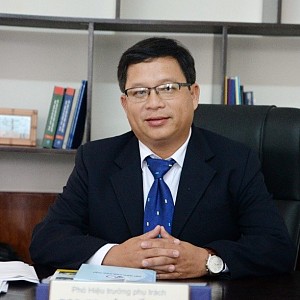
Assoc. Prof. Le Tuan Anh
Thu Dau Mot University
Thu Dau Mot University

PhD. Nguyen Quoc Cuong
Thu Dau Mot University
Thu Dau Mot University

PhD. Doan Ngoc Xuan
Thu Dau Mot University
Thu Dau Mot University

PhD. Nguyen Khoa Truong An
Thu Dau Mot University
Thu Dau Mot University

Assoc. Prof. Nguyen Thanh Binh
Thu Dau Mot University
Thu Dau Mot University

PhD. Le Thi Thuy Dung
Thu Dau Mot University
Thu Dau Mot University

PhD. Ngo Hong Diep
Thu Dau Mot University
Thu Dau Mot University

PhD. Nguyen Duc Dat Duc
Ho Chi Minh City University of Industry and Trade
Ho Chi Minh City University of Industry and Trade

Assoc. Prof. Nguyen Van Duc
Animal Husbandry Association of Vietnam
Animal Husbandry Association of Vietnam

PhD. Nguyen Thi Nhat Hang
Department of Education and Training of Binh Duong Province
Department of Education and Training of Binh Duong Province

PhD. Nguyen Thi Cam Le
Vietnam Aviation Academy
Vietnam Aviation Academy

PhD. Trần Hạnh Minh Phương
Thu Dau Mot University
Thu Dau Mot University

M.A. Pham Van Thinh
Thu Dau Mot University
Thu Dau Mot University

PhD. Nguyen Thi Lien Thuong
Thu Dau Mot University
Thu Dau Mot University
Prof. Le Quang Tri
Can Tho University
Can Tho University
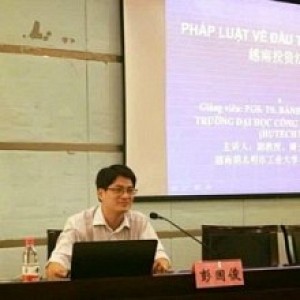
Prof. Banh Quoc Tuan
Thu Dau Mot University
Thu Dau Mot University