
Thu Dau Mot University Journal of Science

Search Papers
107 papers
AGRICULTURAL TOURISM IN THE MEKONG DELTA, VIETNAM: STATE POLICIES, ENTERPRISE STRATEGIES AND COMMUNITY PARTICIPATION
Ngo Thi Phuong Lan, Huynh Ngoc Thu
Agricultural tourism (agritourism) has become an emerging
development pathway in the Mekong Delta, where agriculture, culture,
and water-based ecosystems intersect to form distinctive rural
landscapes. Within Vietnam’s broader agenda of rural restructuring and
sustainable development, agritourism in the region has gradually
evolved from small-scale household initiatives into a more organized
sector shaped by the interaction of state policies, enterprise strategies,
and community participation. This study examines how these three
actors collectively influence agritourism development in the Mekong
Delta. Using a qualitative research design and an embedded case study
approach, the analysis draws on national and provincial policy
documents, industry reports, and representative agritourism models
such as My Khanh Tourist Village, Con Son Community Cooperative,
Con Chim Ecotourism Site, Con Ong experiential farm, and the Dinh
Yen Mat weaving craft village. The findings indicate that since 2010,
the Vietnamese government has established a policy framework
promoting experiential agriculture-based tourism, regional
connectivity, climate-resilient development, and cultural preservation,
thereby enabling enterprises to upgrade facilities, diversify tourism
services, and expand regional tour circuits. At the same time, local
communities have reorganized tourism activities through cooperative
and community-based models that integrate agricultural practices,
culinary heritage, and craft traditions into visitor experiences.
Successful initiatives demonstrate improvements in income generation,
employment opportunities, cultural continuity, and environmental
awareness. However, agritourism in the Mekong Delta still faces
challenges, including fragmented policy implementation, limited
destination management capacity, weak interprovincial coordination,
repetitive tourism products, and environmental pressures associated
with climate change. The study argues that the sustainability of
agritourism in the region depends on strengthening the alignment
between policy frameworks, enterprise innovation, and communitybased stewardship.
THE ICHTHYOFAUNA OF THE BA RIVER, CENTRAL VIET NAM
Nguyen Minh Ty
This study documents the ichthyofaunal composition of the Ba River basin in Central Vietnam, recording a total of 182 species across 55 families and 15 orders. Perciformes is the most diverse order (20 families, 36.36%), while Cyprinidae is the most diverse family (24 genera, Northern element accounts for 35.84% of species, the Southern element for 59.43%, and the Mekong element for 71.69%.”21.62%). The genus Osteochilus is the most dominant, represented by 6 species (3.30%). In terms of zoogeographic elements, the Northern element accounts for 35.84% of species, the Southern element for 59.43%, and the Mekong element for 71.69%. Characterized by high taxonomic diversity, the basin functions as a biogeographical transition zone where the South China and Indochinese subregions converge. These findings position the Ba River as a pivotal ecological buffer, mediating the distribution of freshwater fish fauna between the Northern and Southern zoogeographic provinces of Vietnam.
MODALITY IN NEWS DISCOURSE ON NATURAL DISASTERS: A STUDY OF THE UNITED KINGDOM PRESS
Phan Tuan Ly, Hoang Ngoc Thanh Truc, Kieu Minh Khanh
This article investigates modality in UK news discourse on natural disasters, drawing on a corpus of 50 disaster-related news reports collected from five UK online newspapers. The corpus comprises 23,804 words, with an average length of 476 words per report. Methodologically, the study adopts a mixed-methods design, integrating qualitative descriptive analysis to identify, categorize, and interpret modal expressions in context with quantitative analysis to determine the frequency and distribution of modal resources across the corpus. All texts were annotated and statistically processed using UAM CorpusTool 6.2. The findings reveal that, out of 386 modal tokens, verbal modality overwhelmingly predominates (328 tokens; 85%), while nonverbal modality is comparatively limited (15%), suggesting hard-news reporting favors more determinate, less overtly subjective forms. Modal auxiliaries are the primary resource, led by will (70), can (50), could (43), and would (36). Adjectival modality is diverse but less frequent overall (28 items), with likely (12) most common, followed by possible (9) and unable/sure (7 each). Adverbial modality is rare, with only definitely (2) and maybe/possibly/perhaps (1 each). This paper advances applied linguistics theory and offers practical insights for improving journalistic communication in Vietnam.
This mixed-methods study examines how fourth-year English majors at Thu Dau Mot University engage in Zalo-based classroom discussions. Using a convergent parallel design, data were collected through a questionnaire (N = 112) and semi-structured interviews (N = 8) to explore behavioral, cognitive, and emotional dimensions of engagement. Findings reveal that Zalo is primarily used for task coordination and passive monitoring, with limited proactive discussion. Students value its functions for planning and language accuracy but perceive discussions as low in intellectual depth. Emotionally, Zalo fosters social connection and comfort in interacting with peers and lecturers but also introduces pressure to keep up and reluctance to express dissent. The study highlights Zalo’s dual role as a facilitator of convenience and a constraint on deeper learning, suggesting the need for intentional instructional design to promote critical thinking and inclusive dialogue.
Undergraduate research is widely recognized as a meaningful practice that develops students’ critical thinking, problem‑solving, and science identity, yet student engagement remains uneven due to multiple factors. To address this issue, this mixed-methods study examines undergraduate students’ engagement in research at a Vietnamese university, focusing on their attitudes, perceived support, and intentions to participate. Survey data (N = 164) and interviews (N = 8) reveal a clear divide between students’ positive views of research outcomes and their ambivalence toward the research process. Although students believe lecturers are supportive, they report low comfort in seeking help, limited peer encouragement, and little awareness of institutional research policies. Students express moderate intention to conduct a research project but show strong reluctance toward presenting or publishing their work. The qualitative findings highlight psychological barriers, unclear pathways, and an outcome-oriented mindset. The study argues that current support structures are passive and insufficient. Institutions should implement more visible, structured mentorship to strengthen students’ confidence and foster a more active undergraduate research culture.
THE IMPACT OF CHATGPT USE ON STUDENTS’ COGNITIVE AND BEHAVIORAL ENGAGEMENT IN HIGH SCHOOL PHYSICS LEARNING: A CASE STUDY AT VO MINH DUC HIGH SCHOOL
Nguyen Phuong Duy Anh
Abstract
This study examines how ChatGPT influences high school students’ cognitive and behavioral engagement in Physics learning, drawing on survey data from 251 students at Vo Minh Duc High School in Ho Chi Minh City. Although generative AI is increasingly adopted in education, little is known about how Vietnamese students use ChatGPT in a cognitively demanding subject like Physics-representing a notable research gapin a cognitively demanding subject like Physics, which represents a notable research gap. Using a mixed-methods design, the study explores how students employ ChatGPT, how they perceive its usefulness and reliability, and how its use shapes learning behaviors. Findings indicate that students commonly use ChatGPT as a self-study aid and perceive it as helpful for understanding complex concepts, yet many express concerns about accuracy and show signs of overreliance when using the tool without guidance. The study highlights the dual impact of ChatGPT-supporting learning while potentially reducing independent thinking-and contributes evidence potentially reducing independent thinking and contributes evidence to inform AI literacy development, teacher training, and pedagogical frameworks for responsible integration of generative AI in secondary education.
AI INTEGRATION IN TEACHING AND LEARNING: FACULTY TRAINING FOR THE USE OF ARTIFICIAL INTELLIGENCE IN HIGHER EDUCATION IN VIETNAM
Le Ho Van Phang, Luu Thao Ly, Giang Gia Bao, Vu Hoang Long, Nguyen Tam Nhu Ngoc
This study examines the relationships between Training Quality (TQ), Institutional Support (IS), Faculty Readiness (FR), and Perceived Effectiveness (PE) in the context of artificial intelligence (AI) integration in higher education institutions (HEIs) in Vietnam. Employing Partial Least Squares Structural Equation Modeling (PLS-SEM), data from 418 faculty members from higher education institutions (HEIs) in Vietnam were analyzed to identify key factors influencing the adoption of AI in teaching. The findings reveal that both TQ and IS significantly enhance FR, underscoring the critical importance of comprehensive training programs and institutional resources for preparing faculty to adopt AI. Furthermore, FR has a substantial impact on PE and serves as a mediator between TQ and PE, as well as IS and PE. This highlights the pivotal role of faculty readiness in transforming training and support into perceived improvements in teaching effectiveness. The model demonstrates high predictive relevance for both FR (Q² = 0.55) and PE (Q² = 0.60), suggesting the robustness of the theoretical framework. Despite the study’s limitations, including its focus on Vietnamese HEIs and cross-sectional design, it provides valuable insights for designing effective faculty development and institutional support strategies to facilitate AI integration
EFFECT OF DRYING METHOD ON TOTAL PHENOLIC CONTENT AND ANTIOXIDANT ACTIVITY OF BLACK GINGER (KAEMPFERIA PARVIFLORA WALL. EX BAKER) SLICES IN DAK LAK, VIETNAM
Hoang Nhat Phi, Pham Thi My Tram
The herbal plant known as black ginger (Kaempferia parviflora Wall. Ex Baker) is a member of the Zingiberaceae family and is extensively distributed in tropical and subtropical regions of Asia. Traditionally, black ginger is used as a health-enhancing herb to relieve joint pain, digestive disorders, and infections.
This study aimed to assess how drying method (sunlight, dried in an oven) affected the moisture content, total phenolic content, and antioxidant activity of slices of black ginger root and rhizome. Total phenolic content was measured using the UV-vis spectrophotometry method with a gallic acid standard. The DPPH free radical scavenging experiment was also used to assess the extracts' antioxidant potential.
Phytochemical screening results showed that black ginger rhizomes and roots had many secondary metabolites, such as alkaloids, flavonoids, polyphenols, and tannins. The highest total phenolic content was found in sliced black ginger rhizomes dried at 60°C (69.15 mg GAE/g extract). Moreover, black ginger samples all had relatively good antioxidant activities, with IC50 values 42.34 to 67.14 times higher than the IC50 of ascorbic acid. The investigation results on drying temperature's effects on TPCs, and the antioxidant activities of black ginger rhizomes and roots support knowledge and experience in using dried black ginger as raw materials for food and pharmaceutical industries.
The administrative merger in Southeast Vietnam has fundamentally reshaped regional governance, spatial configurations, and development priorities, creating urgent requirements for a more integrated approach to science and technology (S&T) human resource development. To assess the implications of this restructuring, the study employs a mixed-methods design that combines institutional diagnostics, comparative policy analysis, and quantitative evaluation of workforce indicators. Empirical data are sourced from national statistical agencies, ministerial datasets, provincial development reports, and international benchmarking studies. The analysis focuses on the S&T workforce within the newly configured administrative units of expanded Ho Chi Minh City, Dong Nai, and Tay Ninh, examining competency structures, spatial distribution, coordination mechanisms, and post-merger system dynamics. The findings reveal significant disparities in qualification profiles, weak cross-provincial linkages in training and research, and limited alignment between workforce planning and emergent regional development trajectories. Despite these constraints, the merger presents opportunities to consolidate training capacity, strengthen innovation networks, and enhance talent mobility. The study argues for a coordinated regional S&T human resource strategy supported by institutional harmonization, a functionally differentiated training system, AI-enabled workforce planning tools, and expanded regional–national–international cooperation to advance a knowledge-based, climate-adaptive development pathway for Southeast Vietnam.
IINTERNAL AND EXTERNAL DETERMINANTS OF ENGLISH MAJORS’ ATTITUDES TOWARDS PRONUNCIATION LEARNING AT A VIETNAMESE PUBLIC UNIVERSITY
Luu Dat Phi, Nguyen Ha Minh Anh, Nguyen Giang Huong
Pronunciation is an essential factor in English learning. It affects intelligibility, communicative competence, and confidence, which are the primary factors in English language learning and pronunciation. However, the teaching of pronunciation has consistently been given less priority, especially in EFL contexts where it gets overshadowed by grammar and vocabulary. The current study explores the relationship between the attitudes of English majors towards pronunciation learning at a Vietnamese university, including both internal (learner-related) factors and external (contextual and instructional) factors. Using a quantitative method, information was gathered from 371 university students via a specifically designed questionnaire. Based on the results, most participants positively viewed pronunciation learning. Internal factors, like motivation, self-efficacy, and attitudes of learners, exhibited stronger predictive power compared to external factors, such as quality of instruction and support from the institution. In addition, gender and English proficiency were observed to affect the attitudes, with female students and students of higher proficiency having more positive views. Importantly, both internal and external factors were identified as strong predictors of the pronunciation learning attitudes, thus highlighting the combined effect of psychological and methodological influences. This study enhances the comprehension of the continuous interaction between the psychological and instructional factors, calling attention to the necessity of rethinking the curriculum design, teaching practices, and learner support in the context of EFL pronunciation instruction
SENIOR UNDERGRADUATE STUDENTS' CHATGPT EXPERIENCE AND PERSPECTIVES DURING ACADEMIC WRITING: A CASE STUDY AT FACULTY OF FOREIGN LANGUAGES, THU DAU MOT UNIVERSITY
Nguyen Hoang Minh Duc
This study examines the use of ChatGPT in students’ report-writing process in the course “Mini-project: British and American work styles”. The participants were 105 senior English majors at Thu Daub Mot University in Vietnam in the second semester of the 2024-2025 school year. This study investigates how students used ChatGPT while writing their reports and their perceptions of its use. A questionnaire containing both closed and open-ended items was administered at the end of the course to collect students’ responses. The results showed that the majority of students used ChatGPT during their writing process. They believed ChatGPT should be integrated into academic writing courses and intended to continue using it in future academic tasks. However, they indicated that more specific university guidelines on the use of AI tools should be provided.
This study aims to provide an overview of the global research landscape related to forensic linguistics. Forensic linguistics is defined as the application of linguistic knowledge within legal contexts, offer unique and powerful tools to assist in resolving issues related to court proceedings. To achieve the research objectives, a thematic literature review method combined with statistical techniques was employed to analyze 34 relevant publications sourced from the Scopus database. The study highlights key aspects such as reputable authors, outstanding works, annual publication trends, and the core content of the published books. The findings provide a global overview of forensic linguistics and reveal four trends: discourse analysis in forensic contexts; corpus-based approaches to legal investigations; language-as-evidence with practical implications for courts; and additional aspects of legal language. Consequently, near-term directions to improve Vietnam’s forensic linguistics scholarship are proposed. The findings not only offer a comprehensive view of the current state of forensic linguistics research worldwide but also facilitate access for scholars in Vietnam to engage with and develop relevant studies in this field. This opens new avenues for research and contributes to enhancing the quality of forensic linguistics scholarship in Vietnam in the future.
ELECTRICITY DEMAND FORECASTING FOR VIETNAM’S DATA CENTER SECTOR: IMPLICATIONS FOR SUSTAINABLE ENERGY PLANNING
Nguyễn Bá Thành
This study forecasts electricity demand for Vietnam’s data center sector through 2030 in the context of rapid digitalization and the accelerating adoption of Artificial Intelligence (AI), both of which are expected to exert significant pressure on national power infrastructure. Using a baseline IT load of 524.7 MW in 2025 derived from industry market reports, the analysis employs a scenario-based approach with two growth trajectories: a high-growth case using a 16% CAGR and a market-aligned case using a 12.61% CAGR. Applying a Power Usage Effectiveness (PUE) value of 1.4, consistent with Vietnam’s green data center standards, projected electricity demand increases from 734.6 MW in 2025 to 1,542.8 MW under the high-growth scenario and 1,330.6 MW under the moderate-growth scenario by 2030, corresponding to increases of 110% and 81%, respectively. These findings indicate that the expansion of digital infrastructure will require proactive power system planning. The study highlights the importance of integrating renewable energy through Direct Power Purchase Agreements (DPPAs) and implementing stringent energy-efficiency standards to ensure the sustainable development of Vietnam’s data center ecosystem.
ARTIFICIAL INTELLIGENCE IN EFL TEACHING: TEACHERS’ READINESS AND ADOPTION INTENTIONS IN THU DAU MOT CITY, BINH DUONG PROVINCE
Tran Thi Le Thu
AI is transforming English as a Foreign Language (EFL) education by facilitating personalized learning and intelligent tutoring globally. This study examines the readiness and intentions of educators in Thu Dau Mot City, Vietnam, to adopt AI in their EFL classrooms. Through surveys and interviews with 102 teachers and lecturers, results show a high perceived usefulness and intention to integrate AI (M = 4.10). However, challenges remain with moderate ease of use (M = 3.92), low confidence in AI tools (M = 3.68), and limited institutional support (M = 3.45). Qualitative insights indicate a need for systematic training and collaborative environments. The findings emphasize that successful AI adoption relies on institutional investment in training and infrastructure. Without this support, the gap between enthusiasm and actual implementation may hinder AI's transformative potential. Policymakers and educational leaders need to create structured frameworks for effective AI integration in EFL classrooms.
THE IMPACT RANKINGS AND SUSTAINABLE DEVELOPMENT GOALS OF UNIVERSITIES IN VIETNAM
Nguyen Thi Mong Ngoc
THE Impact Ranking reflects the impact and contribution of universities around the world, including Vietnam, to the community towards the 17 sustainable development goals of the United Nations. The purpose of this study is to evaluate the ranking results of Vietnamese universities in this ranking and the sustainable development goals that they are pursuing. The results show that from only one Vietnamese university among 467 global universities ranked in 2019, there are now 13 Vietnamese universities out of 1,936 global universities in the rankings. In addition to the mandatory SDG17, most Vietnamese universities mainly focus on the 8 SDGs related to economy, health, education, peace, equality and community (SDG1, SDG3, SDG4, SDG5, SDG8, SDG10, SDG11, SDG16). However, few universities focus on the goals related to poverty and environmental resources (SDG2, SDG6, SDG7, SDG9, SDG12, SDG13, SDG14, SDG15). This situation poses great responsibility and challenge for Vietnamese universities in accompanying the world in realizing the goal of sustainable development. This study is a reference resource for Vietnamese universities to identify sustainable development goals that should be prioritized in their short-term and long-term plans when participating in THE Impact rankings, in order to contribute to building a peaceful, just and prosperous society
BUILDING THE KHMER ETHNIC CADRE FORCE IN TRA VINH PROVINCE TO MEET TASK REQUIREMENTS IN THE NEW CONTEXT
Lam Ngoc Rang
Building a contingent of ethnic minority cadres has consistently been a guiding principle and strategic policy of the Communist Party of Vietnam throughout different revolutionary periods. Consequently, ethnic affairs in areas with ethnic minority populations have always received special attention from the Party and the State. Effectively carrying out this work ensures equality, solidarity, and shared development among ethnic groups across the nation. This article evaluates the current status of ethnic affairs and the Khmer ethnic cadre force in Tra Vinh province and proposes several solutions to enhance ethnic work and develop a contingent of ethnic cadres capable of meeting the demands of the new era.
Traditional education in Southern Vietnam developed through two main periods: the era of the Nguyen Lords (1698-1802) and the reign of the Nguyen emperors (1802-1862). This article focuses on education development in Southern Vietnam during the reign of the Nguyen emperors. Despite the numerous difficulties experienced during the decline of the feudal regime, the Nguyen emperors made significant efforts to promote education in the South. The royal court showed commitment, introduced reforms, and created favorable conditions for educational activities to thrive, resulting in greater academic success compared to the previous period. Alongside civil service examinations, the establishment of public schools and supporting educational institutions was also actively promoted. The institutionalization of state-led educational activities inherited the achievements of the earlier period and marked the consolidation of educational functions during a historical development phase
This article examines the role of social networks and informal institutions in facilitating the resettlement and socio-economic integration of Vietnamese returnees from Cambodia in the Tri An Lake region, Dong Nai Province. In the context of statelessness and the absence of legal identification, these returnees faced significant barriers in accessing official support from local authorities. Under such circumstances, kinship-based networks, fellow migrant connections, and local community ties—together with informal support mechanisms —played a pivotal role in providing essential resources such as shelter, livelihood opportunities, informal credit, and emotional support. Drawing on oral history interviews with Vietnamese returnees who have resettled around Tri An Lake since the late 1980s, the study reveals that these social connections and informal institutions helped individuals navigate initial crises and contributed significantly to their long-term stability and integration.
OVERVIEW OF AI APPLICATIONS IN THE FIELD EDUCATION IN VIETNAM
Ngo Thi Ngoc Diu, Mai Thi Hao, Nguyen Thanh Tung
The application of Artificial Intelligence (AI) in education is rapidly transforming the teaching and learning landscape in Vietnam. AI technology is being integrated into various educational platforms to provide personalized learning experiences, support educators, and enhance the overall efficiency of the education system. In Vietnam, AI is utilized to develop adaptive learning programs, intelligent tutoring systems, and automated administrative processes. AI-powered tools such as virtual teaching assistants and chatbots are also being employed to offer real-time support and feedback to students. Furthermore, AI-driven data analytics is used to monitor and improve student performance and engagement levels. AI assists teachers in automating grading, reducing assessment time, and enabling speech recognition systems to evaluate students’ English-speaking skills. These innovations contribute to a more dynamic, interactive, and inclusive educational environment. However, challenges such as data privacy concerns, the digital divide, and the demand for a skilled workforce remain significant. Addressing these issues is crucial for the sustainable integration of AI into Vietnam’s education sector.
DESIGNING DIGITAL GAMES FOR USE IN SECOND-GRADE MATHEMATICS EDUCATION
Ngo Hung Vuong, Nguyen Thi Quan Phung, Huynh Minh Thu
Digital transformation in education is an inevitable trend and has been increasingly promoted in Vietnam over the past few years. The application of digital games in mathematics instruction not only alleviates students’ stress and pressure but also fosters engagement and motivation in the learning process. This paper clarifies key concepts related to digital games as well as presents a set of principles and a design process for digital games using the web-based application Pink Cat Games. Based on a proposed four-step process, the paper illustrates the design of a digital game integrated with the mathematics curriculum for second grade. The findings of this research are to provide practical guidance for teachers in designing digital educational games, thereby augmenting the effectiveness of their pedagogical practices.
STUDENTS’ MOTIVATION AND CHALLENGES WHEN LEARNING ENGLISH WITH NATIVE AND NON-NATIVE ENGLISH-SPEAKING TEACHERS: A CASE STUDY AT THU DAU MOT UNIVERSITY
Tran Anh Vu, Duong Thi Hai Yen
This study explores the motivation and challenges faced by English majored students at Thu Dau Mot University when learning with native English-speaking teachers (NESTs) and non-native English-speaking teachers (NNESTs). Using a quantitative approach, a structured questionnaire was distributed to 50 participants to gather data on their experiences, preferences, and perceptions. The findings showed that students were positively motivated to learn English with both NESTs and NNESTs, although the sources of motivation differed. While NESTs are appreciated for their native pronunciation, interactive teaching methods, and cultural authenticity, NNESTs are valued for their clear explanations, shared language background, and supportive attitudes. The study also highlights challenges associated with each teacher group. It was found that students struggled with understanding native accents and feel intimidated by the fluency of NESTs, while they experienced limited cultural exposure and pronunciation variation with NNESTs. The results suggest that a balanced and inclusive approach to English language teaching - drawing from the advantages of both teacher types - can enhance the quality of language education in Vietnamese contexts.
KNOWLEDGE, ATTITUDE, AND FALL PREVENTION PRACTICE AMONG NURSES AT LEVEL II GOVERNMENT HOSPITALS IN HO CHI MINH CITY, VIETNAM
Le Thi Nhung, Bea-Gracia M. Cruz, Can Thi Lien, Pham Thi Thuy Hong, Nguyen Thi Van, Nguyen Thi Kim Thoa
Fall prevention represents a vital clinical indicator in healthcare settings and serves as a fundamental element of patient safety. This study aimed to evaluate nurses’ knowledge, attitude, and practices on fall prevention in caring for patients as well as explore the relationship between knowledge, attitude, and practices on fall prevention in patient care. This study was conducted on 312 nurses working in four selected level II government hospitals in Ho Chi Minh City from August to October 2024. The majority of nurses were female, with diplomas or BSNs, averaging 39.2 years old and 15.8 years of clinical experience. 77.9% attended a fall prevention training course. Most nurses showed moderate knowledge (66.7%) and practices (mean score of 3.26/5) regarding fall prevention, while their attitudes were generally positive (mean score of 3.92/5). Strong correlations were found between knowledge, attitude, and practices, as well as with prior training and education level (p < 0.001). Factors such as age, work experience, education, and training were predictive of fall prevention practices. Furthermore, attitude partially mediated the relationship between knowledge and practice. In summary, the study highlights the importance of fall prevention training, improving knowledge and attitudes, and considering factors like work experience and education in nursing practices. The mediating role of attitude suggests that fostering a positive attitude is key to better fall prevention practices, emphasizing the need for targeted educational programs that enhance both knowledge and attitudes to improve clinical outcomes.
OVERCOMING BARRIERS IN ENGLISH COMMUNICATION: INSIGHTS FROM NON-ENGLISH MAJORS AT THU DAU MOT UNIVERSITY
Nguyễn Thị Thanh Thương, Hồ Thị Trà My, Lê Đào Minh Thư, Hồ Trung Hậu
Effective English communication remains a significant challenge for non-English major students at many Vietnamese universities, often hindering their academic and professional development. This study explores the key difficulties faced by non-English majors at Thu Dau Mot University in English communication and their engagement in classroom speaking activities. Using a mixed-methods approach, the study collected data from 100 students through questionnaires and interviews.
The findings reveal four primary challenges: limited vocabulary, pronunciation difficulties, overreliance on the native language, and lack of confidence. These issues not only affect students’ ability to express themselves in English but also reduce their participation in classroom activities.
Despite these obstacles, the study found that active engagement in speaking activities positively impacts students’ learning outcomes, highlighting the importance of supportive and interactive teaching methods. Engagement varied, with students demonstrating greater participation in structured activities than in spontaneous speaking tasks.
Based on the findings, the study provides recommendations for fostering a more engaging and effective learning environment.
THE SATISFACTION OF RESIDENTS IN CENTRAL HIGHLANDS WITH HEALTH INSURANCE: A CASE STUDY IN DAMB'RI COMMUNE, BAO LOC CITY, LAM DONG PROVINCE, VIETNAM
Pham Nguyen Trong Nhan, Nguyen Thi Thien An
This research is conducted as a test of the level of satisfaction of residents in the Central Highlands of Vietnam, specifically in DamB’ri Commune, Bao Loc City, Lam Dong Province. The survey of 100 residents at 4 hamlets of DamB’ri Commune did not record statistically significant differences in the level of satisfaction of participants for the criteria including sexes, educational level, occupation, and working age. Nevertheless, there was a statistically noticeable higher level of satisfaction with Health Insurance for participants who are officers at Hamlet 3. The results of the multiple linear regression method, including 7 independent variables and 1 dependent variable, based on the Health Belief Model (HBM), show that the awareness about restrictions and benefits are the core factors impacting the level of satisfaction of residents. The results also provide crucial evidence for authorities and policymakers to devise plans and solutions to increase the level of satisfaction with Health Insurance for people in Central Highlands.
Publication Information
Publisher
Thu Dau Mot University, Viet Nam
Editor-in-Chief

Assoc. Prof. Nguyen Van Hiep
Thu Dau Mot University
Thu Dau Mot University
Editorial Board
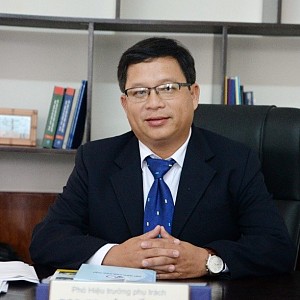
Assoc. Prof. Le Tuan Anh
Thu Dau Mot University
Thu Dau Mot University

PhD. Nguyen Quoc Cuong
Thu Dau Mot University
Thu Dau Mot University

PhD. Doan Ngoc Xuan
Thu Dau Mot University
Thu Dau Mot University

PhD. Nguyen Khoa Truong An
Thu Dau Mot University
Thu Dau Mot University

Assoc. Prof. Nguyen Thanh Binh
Thu Dau Mot University
Thu Dau Mot University

PhD. Le Thi Thuy Dung
Thu Dau Mot University
Thu Dau Mot University

PhD. Ngo Hong Diep
Thu Dau Mot University
Thu Dau Mot University

PhD. Nguyen Duc Dat Duc
Ho Chi Minh City University of Industry and Trade
Ho Chi Minh City University of Industry and Trade

Assoc. Prof. Nguyen Van Duc
Animal Husbandry Association of Vietnam
Animal Husbandry Association of Vietnam

PhD. Nguyen Thi Nhat Hang
Department of Education and Training of Binh Duong Province
Department of Education and Training of Binh Duong Province

PhD. Nguyen Thi Cam Le
Vietnam Aviation Academy
Vietnam Aviation Academy

PhD. Trần Hạnh Minh Phương
Thu Dau Mot University
Thu Dau Mot University

M.A. Pham Van Thinh
Thu Dau Mot University
Thu Dau Mot University

PhD. Nguyen Thi Lien Thuong
Thu Dau Mot University
Thu Dau Mot University

Prof. Le Quang Tri
Can Tho University
Can Tho University
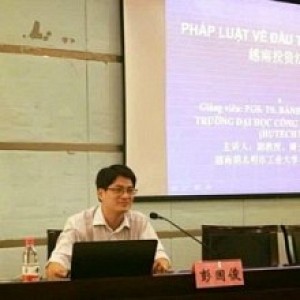
Prof. Banh Quoc Tuan
Thu Dau Mot University
Thu Dau Mot University