
Thu Dau Mot University Journal of Science

Search Papers
152 papers
With the rapid advancement of AI, its integration into EFL education has become increasingly prominent. This small-scale study provides insights from a Taiwanese higher education context, drawing on both EFL teachers’ and students’ perspectives. Guided by Cognitive Load Theory (CLT), the study examines how AI is used to support language learning tasks, involving varying levels of cognitive load, and explores its potential role in managing learners’ cognitive processing demands. A mixed-methods approach was employed, with quantitative and qualitative data collected through questionnaires. The study also explores patterns of AI usage, perceptions of its effectiveness, challenges encountered, and attitudes toward its future role in English education.
The findings indicate that AI has become a widely used support tool in EFL learning. Students primarily use AI tools, such as ChatGPT and Grammarly, for writing, information searching, and grammar support, i.e., tasks that typically impose high intrinsic cognitive load on EFL learners. In contrast, teachers mainly employ AI for lesson preparation, material design, and efficiency enhancement, thereby reducing extraneous cognitive load. Although both groups hold positive attitudes toward AI integration, teachers demonstrate a more cautious approach due to concerns regarding usability, pedagogical alignment, data privacy, and potential students’ overreliance. From a CLT perspective, the results suggest that while AI can reduce extraneous cognitive load and provide procedural support, excessive dependence on AI may limit learners’ germane cognitive load by reducing their active engagement in language processing. Students largely agree that AI cannot replace human teachers, particularly in areas involving emotional support, interaction, and guidance. The data indicate that effective AI integration requires institutional support, professional training, and the development of digital literacy to ensure a balanced, human-centered approach to AI-enhanced EFL education.
AL-DOPED SILICENE NANORIBBONS IN AN EXTERNAL ELECTRIC FIELD
Hoang Van Ngoc
Silicene nanoribbons (SiNRs), as one-dimensional derivatives of silicene, exhibit highly anisotropic charge transport and hold significant promise for future nanoelectronics applications. In this work, we systematically investigate the structural stability and electronic properties of hydrogen-passivated SiNRs doped with aluminum using first-principles density functional theory calculations performed with the VASP package. Several possible Al substitutional doping configurations are examined, among which three representative geometries-top, valley, and 1-1 arrangements-are identified as energetically stable, while other configurations undergo severe structural distortions or bond breaking during structural relaxation. Formation energy analysis indicates that the 1-1 alloy configuration is the most thermodynamically favorable due to the symmetric distribution of Al dopants and a balanced local bonding environment. Electronic structure calculations reveal that pristine hydrogenated SiNRs are narrow-gap semiconductors with a band gap of approximately 0.325 eV, whereas all stable Al-doped systems undergo a transition to semi-metallic behavior. This electronic transformation originates from the incorporation of group-III aluminum atoms, which introduce hole carriers and shift the Fermi level, leading to enhanced electrical conductivity. In addition, the tunability of the electronic properties is further explored under a constant external electric field of 0.15 eV/Å, demonstrating additional control over the electronic response of the doped nanoribbons. These results highlight aluminum doping, in combination with external electric-field modulation, as an effective strategy for tailoring the electronic characteristics of silicene nanoribbons and suggest promising opportunities for the design of low-dimensional materials with controllable transport properties for advanced nanoelectronics and optoelectronic applications.
THE ICHTHYOFAUNA OF THE BA RIVER, CENTRAL VIET NAM
Nguyen Minh Ty
This study documents the ichthyofaunal composition of the Ba River basin in Central Vietnam, recording a total of 182 species across 55 families and 15 orders. Perciformes is the most diverse order (20 families, 36.36%), while Cyprinidae is the most diverse family (24 genera, Northern element accounts for 35.84% of species, the Southern element for 59.43%, and the Mekong element for 71.69%.”21.62%). The genus Osteochilus is the most dominant, represented by 6 species (3.30%). In terms of zoogeographic elements, the Northern element accounts for 35.84% of species, the Southern element for 59.43%, and the Mekong element for 71.69%. Characterized by high taxonomic diversity, the basin functions as a biogeographical transition zone where the South China and Indochinese subregions converge. These findings position the Ba River as a pivotal ecological buffer, mediating the distribution of freshwater fish fauna between the Northern and Southern zoogeographic provinces of Vietnam.
PRELIMINARY STUDY ON FORMULATION AND BASIC EVALUATION OF COCONUT ENZYME - BASED DISHWASHING LIQUID
Nguyen Thi Kim Ngan. Nguyen Thi Huong Giang, Nguyen Thi Ngoc Trang, Le My Phuong, Bui Pham Phuong Thanh. Nguyen Thi Xuan Hanh
Currently, chemical dishwashing liquids are among the most commonly used cleaning products in households due to their convenience, rapid effectiveness, and low cost. Although chemical dishwashing liquids provide significant cleaning efficiency, they pose many potential risks to human health and the environment, particularly aquatic environments. This is because industrial dishwashing liquids are mostly formulated from water combined with various chemical components such as LAS, SLS, NaOH, SLES, MgSO₄, NH₄Cl, acids, alkalis, fragrances, formaldehyde, and the antibacterial agent triclosan (Adelliya, 2021). These substances can cause numerous health problems with frequent exposure, including the risk of irritant dermatitis. Moreover, if not thoroughly rinsed off, residues may remain on dishes and enter the body, leading to serious health impacts on users, especially pregnant homemakers. In addition, when discharged into the environment, industrial dishwashing liquids contribute to environmental pollution and harm aquatic organisms (Hong-Yan et al., 2009). Given these concerns, the replacement of industrial dishwashing liquids with environmentally friendly alternatives has become increasingly necessary.
The fermentation of coconut is a complex biological process in which microorganisms convert sugars in coconut water into products such as alcohols, organic acids, and flavor compounds. Coconut enzyme is fermented coconut water produced by a microbial system. Due to its organic acid content and synergistic combination with natural ingredients—including coconut ash water (for odor removal), coconut essential oil extract (cocamidopropyl betaine source), coco glucoside (foaming agent), guar gum (thickener), baking soda (NaHCO₃), and table salt (NaCl)—the formulation offers effective cleaning, skin moisturization, and safety for children and individuals with sensitive skin.
This study aimed to find a suitable media for treating biogas effluent wastewater from pig farms. the research recycled polyethylene foam (PE foam) as a material and used it as a microbial adhesion media and immersed in the wastewater of an Aerotank model. The experiment was performed with 3 treatments and three repetitions, including: Aerotank with media from PE foam (treatment 1); Aerotank with MBBR biochip (treatment 2); and Aerotank without media (treatment 3(control)). The results showed that the PE foam media exhibited higher treatment efficiency than the commercially available media (MBBR biochip) and the control, with average removal efficiencies of 79.44%, 62.46%, 79.63%, and 84.95% for COD, TSS, BOD, and N-NH3, respectively. The media from PE foam can be used as a replacement for commercially available media and an option for improving the quality of biogas effluent wastewater.
DESIGN AND VALIDATION OF AN IOT-INTEGRATED AUTOMATED DISTILLATION SYSTEM WITH PID TEMPERATURE CONTROL
Nguyen Anh Vu, Nguyen Thanh Doan, Nguyen Phuong Tra
This paper presents the design, implementation, and empirical evaluation of a sophisticated automated alcohol distillation system. The system integrates modern control theory with Internet of Things (IoT) technology to overcome the limitations of traditional manual distillation, which often suffers from inconsistent product quality, high labor dependency, and significant safety risks. The core of the system employs a REX-C100 PID temperature controller for precise thermal regulation, an ESP8266 microcontroller for IoT connectivity, and an array of sensors including a K-type thermocouple and an MQ-3 alcohol concentration sensor for comprehensive process monitoring and safety. A detailed mathematical model of the distillation process and an enhanced PID control algorithm with feedforward compensation are provided. Experimental results demonstrate a 50% reduction in processing time, an increase in process efficiency from 60% to 90%, and a remarkable improvement in product quality consistency from 70% to 95%, all while maintaining a temperature control accuracy of ±1°C. The system successfully enables remote monitoring and control via the Blynk IoT platform, establishing a robust framework for intelligent, safe, and efficient distillation applicable to both small-scale and industrial production
PAPER MANUFACTURED FROM WATER HYACINTH THE BACH DANG RIVER IN THU DAU MOT CITY, BINH DUONG PROVINCE
Nguyen Thi Mai Thao, Pham Thi Ngoc Thai, Le Cam Duyen, Bui Pham Phuong Thanh, Nguyen Thi Xuan Hanh
In recent years, water hyacinth (Eichhornia crassipes) has been widely recognized as an invasive aquatic plant that proliferates rapidly on rivers, canals, ponds, and lakes, obstructing waterway transportation, impeding water flow, and contributing to environmental degradation. Despite its abundance in large river systems such as the Bach Dang River in Thu Dau Mot City, Binh Duong Province, this biomass resource remains largely underutilized, leading to significant waste of natural materials and ongoing ecological challenges. This study proposes an eco-friendly alternative by transforming water hyacinth into handmade paper sheets with natural coloration, rustic aesthetic, and complete absence of harmful chemicals. The resulting products exhibit acceptable strength and surface quality, making them suitable for practical and decorative applications including coasters, shoe insoles, greeting cards, notebooks, biodegradable packaging, paper bags, and eco-handicraft items. Raw materials were collected directly from the Bach Dang River by a student research group. The research employed a combination of primary and secondary data collection methods, along with experimental, analytical, and synthesis approaches to develop and evaluate the manual paper-making process. The developed chemical-free production method successfully yielded durable paper sheets that are environmentally safe and biodegradable. The findings demonstrate the feasibility of converting an invasive plant into value-added sustainable products, thereby contributing to waste reduction, biomass reuse, and the promotion of green production practices. Although the study is preliminary and limited by manual processing, lack of mechanization, and absence of standardized quantitative testing (e.g., tensile strength, water absorption, and biodegradability under controlled conditions), it provides a promising foundation for further optimization and scale-up. Future research should focus on improving uniformity, enhancing mechanical properties through natural additives, and conducting comprehensive performance and life-cycle assessments to support practical commercialization and broader environmental impact
THE IMPACT OF CHATGPT USE ON STUDENTS’ COGNITIVE AND BEHAVIORAL ENGAGEMENT IN HIGH SCHOOL PHYSICS LEARNING: A CASE STUDY AT VO MINH DUC HIGH SCHOOL
Nguyen Phuong Duy Anh
Abstract
This study examines how ChatGPT influences high school students’ cognitive and behavioral engagement in Physics learning, drawing on survey data from 251 students at Vo Minh Duc High School in Ho Chi Minh City. Although generative AI is increasingly adopted in education, little is known about how Vietnamese students use ChatGPT in a cognitively demanding subject like Physics-representing a notable research gapin a cognitively demanding subject like Physics, which represents a notable research gap. Using a mixed-methods design, the study explores how students employ ChatGPT, how they perceive its usefulness and reliability, and how its use shapes learning behaviors. Findings indicate that students commonly use ChatGPT as a self-study aid and perceive it as helpful for understanding complex concepts, yet many express concerns about accuracy and show signs of overreliance when using the tool without guidance. The study highlights the dual impact of ChatGPT-supporting learning while potentially reducing independent thinking-and contributes evidence potentially reducing independent thinking and contributes evidence to inform AI literacy development, teacher training, and pedagogical frameworks for responsible integration of generative AI in secondary education.
AI INTEGRATION IN TEACHING AND LEARNING: FACULTY TRAINING FOR THE USE OF ARTIFICIAL INTELLIGENCE IN HIGHER EDUCATION IN VIETNAM
Le Ho Van Phang, Luu Thao Ly, Giang Gia Bao, Vu Hoang Long, Nguyen Tam Nhu Ngoc
This study examines the relationships between Training Quality (TQ), Institutional Support (IS), Faculty Readiness (FR), and Perceived Effectiveness (PE) in the context of artificial intelligence (AI) integration in higher education institutions (HEIs) in Vietnam. Employing Partial Least Squares Structural Equation Modeling (PLS-SEM), data from 418 faculty members from higher education institutions (HEIs) in Vietnam were analyzed to identify key factors influencing the adoption of AI in teaching. The findings reveal that both TQ and IS significantly enhance FR, underscoring the critical importance of comprehensive training programs and institutional resources for preparing faculty to adopt AI. Furthermore, FR has a substantial impact on PE and serves as a mediator between TQ and PE, as well as IS and PE. This highlights the pivotal role of faculty readiness in transforming training and support into perceived improvements in teaching effectiveness. The model demonstrates high predictive relevance for both FR (Q² = 0.55) and PE (Q² = 0.60), suggesting the robustness of the theoretical framework. Despite the study’s limitations, including its focus on Vietnamese HEIs and cross-sectional design, it provides valuable insights for designing effective faculty development and institutional support strategies to facilitate AI integration
PREVALENCE OF ECTOPARASITES IN BATS FOUND IN GULUMBE AND MASAMA AREA, KEBBI STATE, NIGERIA
Mahmud Muhammad Bello, P.A Vantsawa, K.B. Dikwa, D. Dibal
Abstract
Bats are ecologically valuable and may spur disease transmission; thus, this study aimed to investigate prevalence and identify common ectoparasites in bats in Gulumbe and Masama District in Birnin Kebbi and Danko Wasagu Local Government Areas of Kebbi State. A total of 300 bats were collected. Ectoparasites were investigated with the aid of a dissecting microscope and identified with various identification keys using standard methods. Result shows that Penicillidia conspicua as the only ectoparasite detected in the infected bats from both communities. More broad studies should be done to provide more details about possible parasitism with various ectoparasites. More current methodologies in identifying both ectoparasites such as PCR, Molecular characterization and ELISA are needed.
This study aims to identify the aspects of paragraphs that ChatGPT impacts and to explore students' perceptions of this tool. The study used both quantitative and qualitative methods, with 72 fourth-year students majoring in English Language at Thu Dau Mot University participating. The results indicated that ChatGPT had a strong impact on many aspects of the students' paragraphs, including vocabulary, grammar, coherence, organization of ideas, mechanics, and writing style. Students had a positive perception of ChatGPT, considering it a useful tool that saved time, suggested writing styles, and helped improve the structure of their texts. Additionally, feedback from ChatGPT boosted confidence and helped them gain a better understanding of the topics. However, the tool also had some limitations. Concerns were raised about plagiarism, the accuracy of information, and the reduced interaction between teachers and students. Furthermore, excessive reliance on the tool could impact students' critical thinking and creativity, as well as raise concerns about privacy and information security. This study provides practical values for both teachers and students while contributing to the integration of ChatGPT into the learning process to enhance academic performance.
DEVELOPMENT AND PERFORMANCE ANALYSIS OF ULTRA-THIN III-V SOLAR CELLS USING INDIUM PHOSPHIDE EPITAXIAL WAFERS
Nguyễn Thị Huệ
This study explores the fabrication and performance analysis of ultra-thin III-V solar cells using indium phosphide (InP) epitaxial wafers through two approaches: substrate thinning via lapping and thermocompression bonding. The thinning method reduced the substrate thickness to 160 μm, while the bonding process achieved a final thickness of 0.9 μm. Photoluminescence (PL), internal quantum efficiency (IQE), and external quantum efficiency (EQE) measurements were conducted to evaluate the devices. Results showed that the thinned solar cells exhibited poor photovoltaic characteristics due to suboptimal n-type metal contacts and excessive electron-hole recombination, with no observable light-induced current at zero bias. Backside solar cells fabricated through bonding showed better performance, with improved IQE and EQE due to enhanced light penetration and reduced reflectance from an anti-reflection coating. PL analysis revealed a distinct 1280 nm peak for the backside structure, indicating better light interaction with the active region. Despite these advances, both methods demonstrated low open-circuit current and power efficiency, underscoring the need for further optimization to achieve commercially viable III-V solar cells.
A STABILIZED GENETIC ALGORITHM FOR EVALUATING THE ECONOMIC VIABILITY OF DYNAMIC DISTRIBUTION NETWORK RECONFIGURATION
Pham Hong Thanh
High penetration of photovoltaic (PV) sources causes volatility in distribution networks, challenging conventional operational strategies. This study introduces a multi-objective optimization framework using a Stabilized Genetic Algorithm (SGA) that co-optimizes daily energy losses and switching asset depreciation over typical and extreme loading scenarios. Contradicting common assumptions, results show that zero switching operations, i.e., maintaining a robust static configuration - yield optimal economic outcomes for the IEEE 33-bus test system, regardless of switching cost magnitude. The work formalizes an economic viability threshold for DDNR, providing network operators with a quantitative tool to assess when dynamic reconfiguration is truly justified. Results reveal that for the IEEE 33-bus system with PV integration, a robust static configuration remains economically optimal regardless of switching cost magnitude. The primary contribution is the formalization of an "Economic Viability Threshold" framework, providing DNOs a quantitative tool to determine when DDNR is truly justified. This framework provides a crucial, data-driven tool for network operators to prevent unnecessary investment in complex control schemes, ensuring that grid modernization efforts are both technically sound and economically viable
EFFECT OF DRYING METHOD ON TOTAL PHENOLIC CONTENT AND ANTIOXIDANT ACTIVITY OF BLACK GINGER (KAEMPFERIA PARVIFLORA WALL. EX BAKER) SLICES IN DAK LAK, VIETNAM
Hoang Nhat Phi, Pham Thi My Tram
The herbal plant known as black ginger (Kaempferia parviflora Wall. Ex Baker) is a member of the Zingiberaceae family and is extensively distributed in tropical and subtropical regions of Asia. Traditionally, black ginger is used as a health-enhancing herb to relieve joint pain, digestive disorders, and infections.
This study aimed to assess how drying method (sunlight, dried in an oven) affected the moisture content, total phenolic content, and antioxidant activity of slices of black ginger root and rhizome. Total phenolic content was measured using the UV-vis spectrophotometry method with a gallic acid standard. The DPPH free radical scavenging experiment was also used to assess the extracts' antioxidant potential.
Phytochemical screening results showed that black ginger rhizomes and roots had many secondary metabolites, such as alkaloids, flavonoids, polyphenols, and tannins. The highest total phenolic content was found in sliced black ginger rhizomes dried at 60°C (69.15 mg GAE/g extract). Moreover, black ginger samples all had relatively good antioxidant activities, with IC50 values 42.34 to 67.14 times higher than the IC50 of ascorbic acid. The investigation results on drying temperature's effects on TPCs, and the antioxidant activities of black ginger rhizomes and roots support knowledge and experience in using dried black ginger as raw materials for food and pharmaceutical industries.
The administrative merger in Southeast Vietnam has fundamentally reshaped regional governance, spatial configurations, and development priorities, creating urgent requirements for a more integrated approach to science and technology (S&T) human resource development. To assess the implications of this restructuring, the study employs a mixed-methods design that combines institutional diagnostics, comparative policy analysis, and quantitative evaluation of workforce indicators. Empirical data are sourced from national statistical agencies, ministerial datasets, provincial development reports, and international benchmarking studies. The analysis focuses on the S&T workforce within the newly configured administrative units of expanded Ho Chi Minh City, Dong Nai, and Tay Ninh, examining competency structures, spatial distribution, coordination mechanisms, and post-merger system dynamics. The findings reveal significant disparities in qualification profiles, weak cross-provincial linkages in training and research, and limited alignment between workforce planning and emergent regional development trajectories. Despite these constraints, the merger presents opportunities to consolidate training capacity, strengthen innovation networks, and enhance talent mobility. The study argues for a coordinated regional S&T human resource strategy supported by institutional harmonization, a functionally differentiated training system, AI-enabled workforce planning tools, and expanded regional–national–international cooperation to advance a knowledge-based, climate-adaptive development pathway for Southeast Vietnam.
ELECTRICITY DEMAND FORECASTING FOR VIETNAM’S DATA CENTER SECTOR: IMPLICATIONS FOR SUSTAINABLE ENERGY PLANNING
Nguyễn Bá Thành
This study forecasts electricity demand for Vietnam’s data center sector through 2030 in the context of rapid digitalization and the accelerating adoption of Artificial Intelligence (AI), both of which are expected to exert significant pressure on national power infrastructure. Using a baseline IT load of 524.7 MW in 2025 derived from industry market reports, the analysis employs a scenario-based approach with two growth trajectories: a high-growth case using a 16% CAGR and a market-aligned case using a 12.61% CAGR. Applying a Power Usage Effectiveness (PUE) value of 1.4, consistent with Vietnam’s green data center standards, projected electricity demand increases from 734.6 MW in 2025 to 1,542.8 MW under the high-growth scenario and 1,330.6 MW under the moderate-growth scenario by 2030, corresponding to increases of 110% and 81%, respectively. These findings indicate that the expansion of digital infrastructure will require proactive power system planning. The study highlights the importance of integrating renewable energy through Direct Power Purchase Agreements (DPPAs) and implementing stringent energy-efficiency standards to ensure the sustainable development of Vietnam’s data center ecosystem.
This study applies a first-order Markov chain to analyze and model the academic progression of 317 students from the Faculty of Education at Thu Dau Mot University, utilizing their semester Grade Point Averages (GPA) as the core data. Students' GPAs were methodologically classified into four distinct academic performance states: Weak (0–4.99), Average (5.0–6.99), Good (7.0–7.99), and Excellent (8.0–10.0). Transition matrices were constructed to capture the movements between these performance states across consecutive semesters. Descriptive analysis reveals a positive performance trend, specifically a frequent transition from the Average to the Good group, and a high level of stability observed within the Excellent group, particularly in the later stages of the program. A crucial Chi-square test for homogeneity revealed statistically significant differences, indicating that the learning process is non-homogeneous over time, reflecting fluctuations in student learning behavior. However, to fulfill the objective of forecasting the expected distribution of student performance in the subsequent semester, a weighted average transition matrix was computed, giving greater emphasis to the influence of more recent academic data. Forecasting results suggest that approximately 90% of students are expected to concentrate within the Good and Excellent categories, confirming a high standard of academic performance and providing valuable empirical evidence for targeted student support and curriculum management within the Faculty of Education.
CASE STUDY: APPLYING INFORMATION TECHNOLOGY IN TEACHING FIRST GRADE MATHEMATICS TO DEVELOP COMPREHENSIVE COMPETENCIES FOR PRIMARY SCHOOL STUDENTS
Chu Thi Ngoc Diep, Tran Thi Yen Giang, Pham Quynh Giang
This study evaluated the effectiveness of Information Technology (IT) applications in teaching Grade 1 mathematics to develop students' comprehensive competencies. Tools such as Canva, Twinkl, and online educational games were integrated into lessons to create an engaging learning environment and to enhance students' skills. Significant improvements were observed: students’ ability to sequence numbers increased from 33% to 83.3%, number comparison skills improved from 31% to 90.5%, and effective teamwork skills rose from 40% to 95.2%. Additionally, self-directed learning levels increased from 24% to 85.7%, and creativity in problem-solving grew from 33% to 80.9%. These results underscore the positive impact of IT in developing primary students' academic and collaborative skills.
OVERVIEW OF SUBMERGED CULTURE AND THE BIOLOGICAL ACTIVITIES OF MEDICINAL MUSHROOM SPECIES
Nguyen Thi Ngoc Nhi, Dang Thanh Trung
Submerged cultivation of medicinal mushrooms is receiving increasing attention and is considered an effective alternative to traditional substrate cultivation methods for producing fungal mycelial biomass and bioactive metabolites with diverse applications. This method allows for the control of culture environment conditions, enabling more efficient synthesis of bioactive compounds such as polysaccharides, triterpenoids, cordycepin, polyphenols, etc. Furthermore, the bioactivity of these compounds, including antioxidant, anticancer, antibacterial, and immunomodulatory effects, further emphasizes the potential of producing medicinal mushroom biomass by submerged cultivation in the pharmaceutical and functional food industries. Submerged cultivation is considered a promising alternative to traditional mushroom fruiting body cultivation because it offers better control over culture conditions and product quality, as well as shorter cultivation times. Submerged fungal cultivation has significant industrial potential; however, there are still challenges in optimizing production yield and scaling up the process for industrial application. The successful application of this method on a commercial scale depends on increasing product yield and developing new production systems to address the issues related to submerged mushroom cultivation techniques. Although many researchers are making efforts to produce bioactive metabolites from fungi, the physiological and technical aspects of submerged cultivation still require extensive and long-term research.
The manuscript contends that the strengthening of Australia's diplomatic relations with Southeast Asia can be attributed to the escalating threat posed by China's rise, the US's precarious role in the Asia-Pacific landscape, and the increasingly complex economic interconnections between the US, Australia, and Southeast Asia vis-à-vis China. Historically, the strategic alliance with the United States has been the cornerstone of Canberra's foreign policy framework. Nonetheless, Canberra's concerns about Washington's uncertain presence have grown as a result of the ongoing changes in US National Security Policy over the previous decade, from 2016 to 2025. In the long run, it can be argued that the dominant trajectory indicates Canberra's intention to strengthen its comprehensive strategic partnership with Southeast Asia, despite the increased complexity and fragmentation observed within Australia's multicultural society. While some analysts argue that Canberra's strategic alliance with the United States still predisposes it to prioritize the abandonment of Southeast Asia, there is a counterargument that Australia's strategic partnership with Washington is gradually dwindling after over 75 years of establishment and evolution. In light of the aforementioned circumstances, the manuscript advocates for Australia to recalibrate its domestic policies, particularly its ethnic policies concerning the Asian immigrant populace, and to leverage the existing networks of economic and social relationships with Southeast Asian nations, thus cultivating a framework of alliances among middle powers within the region, which would mitigate the risk of becoming ensnared in the strategic rivalry between the US and China in Southeast Asia.
LOGIC GATE IC TESTER USING ARDUINO
Thân Đức Trường
In electronic circuits that use various integrated circuits (ICs), ICs may malfunction while assembled, used, and repaired. There are numerous ways to verify that ICs are operating, such as by measuring basic current and voltage with a VOM meter. However, many sophisticated operations are hard to measure and test, and the accuracy of the tests is low and takes a long time. Thus, it is crucial to have a tool that can rapidly determine whether or not integrated circuits are operating correctly. The purpose of this article is to develop a tool for testing the functionality of logic gate ICs. By modeling its properties using the truth table of the specific IC, the device employs an Arduino to verify the condition of the gates in a logic gate IC. After successful simulation and testing, they are assembled to form a final device.
OVERVIEW OF MORPHOLOGY, DISTRIBUTION, CHEMICAL COMPOSITION, BIOLOGICAL ACTIVITIES AND CULTURE MEDIUM OF Xylaria nigripes
Nguyen Thi Ngoc Nhi, Tran Minh Trung
Xylaria nigripes is a rare medicinal mushroom in the Xylariaceae family, which has long been used in traditional medicine to aid in treating conditions such as insomnia, neurasthenia, and inflammation. This fungus usually grows in an environment characterized by termite nests. Recent studies have shown that X. nigripes contains many valuable biological compounds such as polysaccharides, nucleosides, and sterols, which provide important biological effects, such as antioxidants, liver protection, immune system regulation, and diabetes treatment. In addition to pharmacological potential, many research works have focused on developing X. nigripes biomass kernel techniques under artificial culture conditions, in order to optimize growth and accumulation of active ingredients. These results not only contribute to clarifying the application potential of this mushroom in the pharmaceutical field but also create a scientific foundation for the sustainable exploitation of this rare medicinal resource.
Mango leaves (Mangifera indica) are widely used in traditional medicine and have gained scientific attention for their broad biological activities. Rich in bioactive compounds like mangiferin, flavonoids, phenolic acids, and terpenoids, mango leaves exhibit antioxidant, anti-inflammatory, anti-diabetic, antihypertensive, antimicrobial, gastroprotective hepatoprotective, neuroprotective and other bioactivities. These activities are linked to their ability to neutralize free radicals, modulate signaling pathways, and inhibit pathogenic microorganisms. Mango leaf extracts show promise in managing metabolic disorders, skin conditions, and age-related damage. Despite promising preclinical results, further clinical studies are needed to validate their therapeutic potential and safety in humans.
PERFORMANCE OF FULL-DUPLEX NON-ORTHOGONAL MULTIPLE ACCESS WIRELESS NETWORK WITH ENERGY HARVESTING
Do Dac Thiem
Full-duplex non-orthogonal multiple access wireless networks with energy harvesting have the potential to improve spectral efficiency and save energy. However, wireless signals are susceptible to eavesdropping by other devices within their coverage area. This paper studies the security performance of a full-duplex non-orthogonal multiple access wireless network with energy harvesting (FDNOMAWNwEH) over Nakagami-m fading channels. Results show that the total throughput increases as the power of the primary transmitter increases. Similarly, the total throughput also increases as the expected security level or the energy harvester efficiency increases. In addition, there exists a value of the NOMA power division factor that maximizes the total throughput. Furthermore, the results show that the total throughput decreases as the fading severity parameter increases.
Publication Information
Publisher
Thu Dau Mot University, Viet Nam
Editor-in-Chief

Assoc. Prof. Nguyen Van Hiep
Thu Dau Mot University
Thu Dau Mot University
Editorial Board
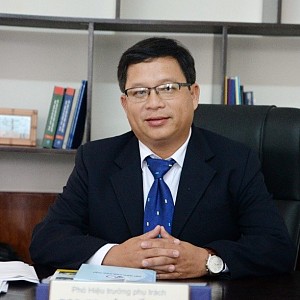
Assoc. Prof. Le Tuan Anh
Thu Dau Mot University
Thu Dau Mot University

PhD. Nguyen Quoc Cuong
Thu Dau Mot University
Thu Dau Mot University

PhD. Doan Ngoc Xuan
Thu Dau Mot University
Thu Dau Mot University

PhD. Nguyen Khoa Truong An
Thu Dau Mot University
Thu Dau Mot University

Assoc. Prof. Nguyen Thanh Binh
Thu Dau Mot University
Thu Dau Mot University

PhD. Le Thi Thuy Dung
Thu Dau Mot University
Thu Dau Mot University

PhD. Ngo Hong Diep
Thu Dau Mot University
Thu Dau Mot University

PhD. Nguyen Duc Dat Duc
Ho Chi Minh City University of Industry and Trade
Ho Chi Minh City University of Industry and Trade

Assoc. Prof. Nguyen Van Duc
Animal Husbandry Association of Vietnam
Animal Husbandry Association of Vietnam

PhD. Nguyen Thi Nhat Hang
Department of Education and Training of Binh Duong Province
Department of Education and Training of Binh Duong Province

PhD. Nguyen Thi Cam Le
Vietnam Aviation Academy
Vietnam Aviation Academy

PhD. Trần Hạnh Minh Phương
Thu Dau Mot University
Thu Dau Mot University
M.A. Pham Van Thinh
Thu Dau Mot University
Thu Dau Mot University

PhD. Nguyen Thi Lien Thuong
Thu Dau Mot University
Thu Dau Mot University
Prof. Le Quang Tri
Can Tho University
Can Tho University
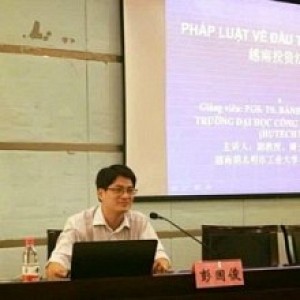
Prof. Banh Quoc Tuan
Thu Dau Mot University
Thu Dau Mot University